

Explore the Content:
- What Is a Power Bank Rental Business?
- Is a Power Bank Rental Business Profitable?
- 9 Steps to Start a Power Bank Rental Business
- Step 1: Define Your Business Model
- Step 2: Choose the Right Power Bank Rental Machines
- Step 3: Estimate Startup Costs & Investment
- Step 4: Find High-Traffic Locations
- Step 5: Registration, Licensing & Compliance
- Step 6: Choose Rental Management Software
- Step 7: Set Your Pricing Strategy
- Step 8: Operations, Maintenance & Security
- Step 9: Marketing Strategy
- Conclusion
- FAQs
A power bank rental business is a self-service charging service that lets people rent portable power banks from automated stations using QR codes, pay digitally, and return them after use. The service places charging stations in high-traffic public areas where users scan devices, charge their phones, and return equipment when finished. This creates recurring revenue from everyday consumer behavior, particularly in locations where battery anxiety is constant.
What Is a Power Bank Rental Business?
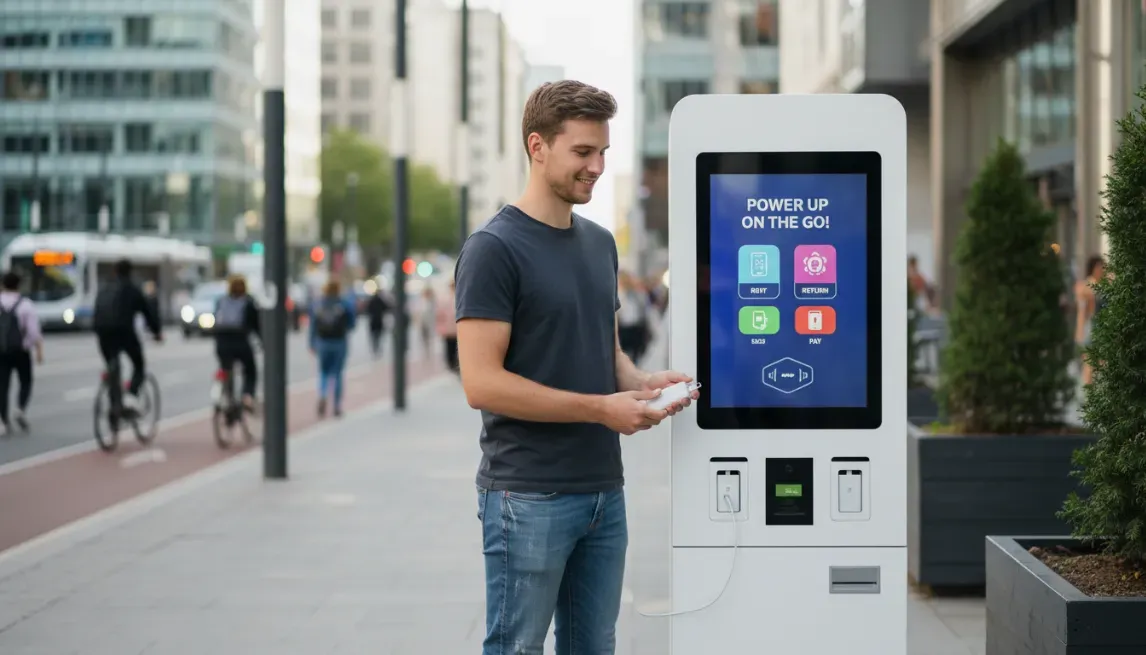
A power bank rental business is a self-service charging service that lets people rent portable power banks from automated stations using QR codes, pay digitally, and return them after use.
The service places charging stations in high-traffic public areas where users scan devices, charge their phones, and return equipment when finished. This creates recurring revenue from everyday consumer behavior, particularly in locations where battery anxiety is constant.
Is a Power Bank Rental Business Profitable?
Market data indicates the power bank rental sector was valued at USD 25 billion in 2023, with projections reaching USD 31 billion by 2030, growing at "a CAGR of 25.1% between 2024 and 2030."
Profitability depends on location quality, pricing strategy, equipment durability, and usage patterns. High-footfall venues like airports, malls, and transit hubs drive stronger returns.
Profitability Example: 12-Slot Mall Station
| Item | Details |
|---|---|
| Machine cost | $600 |
| Twelve power banks at $15 each | $180 |
| Total initial investment | $780 |
| Daily rentals | 12 units at 25% usage |
| Rental price | $2.50 per unit |
| Daily revenue | $30 |
| Monthly revenue | $900 |
| Monthly expenses | $150 (electricity, internet, maintenance, venue commission) |
| Monthly profit | $750 |
| Breakeven period | Approximately 3 months |
Station Types and Revenue Models
| Station Type | Hardware Cost | Power Bank Inventory Cost | Avg. Rentals/Day | Avg. Rental Fee | Est. Daily Revenue | Est. Monthly Revenue | Est. Monthly Profit |
|---|---|---|---|---|---|---|---|
| 6–12 slot (low traffic) | $300–$800 | $80–$250 | 3–5 | $2.00 | $6–$10 | $180–$300 | $80–$200 |
| 12-slot (moderate) | $500–$1,000 | $120–$300 | ~8 | $2.50 | ~$20 | ~$600 | $350–$500 |
| 24–36 slot | $900–$2,000 | $240–$720 | 10–18 | $2.50–$3.00 | $25–$50 | $750–$1,500 | $500–$1,200 |
| 48-slot (high-traffic) | $1,500–$2,500 | $480–$960 | 15–25 | ~$3.00 | $45–$75 | $1,350–$2,250 | $1,000–$1,800 |
9 Steps to Start a Power Bank Rental Business
Step 1: Define Your Business Model

Three primary approaches exist:
Station-Based Model: Fixed kiosks in busy public locations (malls, transit hubs, offices) with predictable foot traffic and steady rentals.
Mobile/Event-Based Model: Portable units for festivals, exhibitions, and markets with short-term, intense demand periods.
Partnership-Based Model: Revenue-sharing installations at restaurants, malls, gyms, and cafes with minimal upfront venue investment.
Revenue Models
- Hourly rentals for quick stops
- Daily rentals for flexibility
- Subscription plans for repeat users
- Event-based bulk rentals
- Advertising on kiosk screens
- Partner commissions
- Co-branded promotions
Step 2: Choose the Right Power Bank Rental Machines
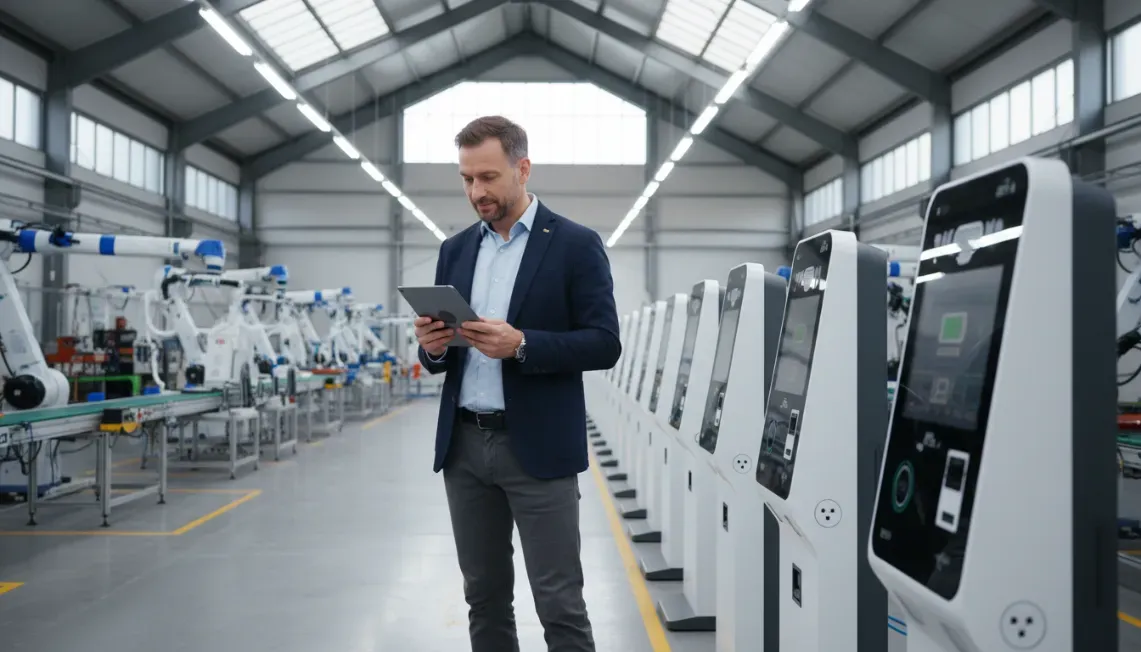
Equipment selection impacts user experience, theft prevention, and maintenance costs. Consider:
- Kiosk size: Match capacity to location foot traffic
- Features: GPS tracking, IoT connectivity, QR codes, anti-theft systems, multi-cable fast charging
- Durability: Weather resistance, battery cycle life, remote monitoring
Popular Power Bank Rental Machine Providers
| Provider | Slot Options | Key Features | Notes |
|---|---|---|---|
| ChargeSPOT | 6–48+ | App-based rent/return, "rent anywhere" sharing | Large global network |
| Litapower | 4–48 | Hardware + OEM solution & management software | True power bank sharing supplier |
| LYD rent | 12–48 | Touchscreen payment, flexible sizes | Touchscreen and app enabled |
| HeyCharge | 8–48+ | Turnkey solution (hardware + software + dashboard) | Verified provider with customization |
| Y2 Power | 4–28+ | Modular QR code + app rental system | Verified supplier with modular slots |
Step 3: Estimate Startup Costs & Investment

Budget categories include:
- Hardware (kiosks and power banks) — largest expense
- Software and rental management systems
- Location fees or revenue-sharing arrangements
- Ongoing maintenance and battery replacements
- Licenses, permits, and insurance
- Initial operational costs
Step 4: Find High-Traffic Locations

Optimal locations include:
- Shopping malls (near entrances, food courts)
- Transportation hubs (airports, train stations)
- Cafes, restaurants, bars
- Stadiums and event venues
- College campuses
Partnership approach: Offer revenue sharing, trial periods, and full maintenance to make placements attractive and low-risk for venue partners.
Step 5: Registration, Licensing & Compliance

Business Structure Selection
Choose a structure that:
- Separates personal and business liability
- Enables partnership agreements with venues
- Facilitates insurance and business banking
- Maintains clear financial records
- Supports scalability and expansion
Local Vending and Kiosk Regulations
- Vending permits may be required
- Electrical safety standards apply
- Zoning regulations vary by location
- Public space accessibility rules apply
- Event permits needed for temporary installations
Payment and Data Compliance
- Register for sales tax obligations
- Set up secure payment gateways meeting security standards
- Implement clear privacy policies and user consent procedures
- Ensure compliant data storage and protection
- Maintain organized transaction records
Step 6: Choose Rental Management Software

The right software is the backbone of a scalable power bank rental business. RentMy is built specifically for rental businesses and offers the key capabilities you need:
Inventory Management: Track individual power bank locations, charging status, and maintenance needs.
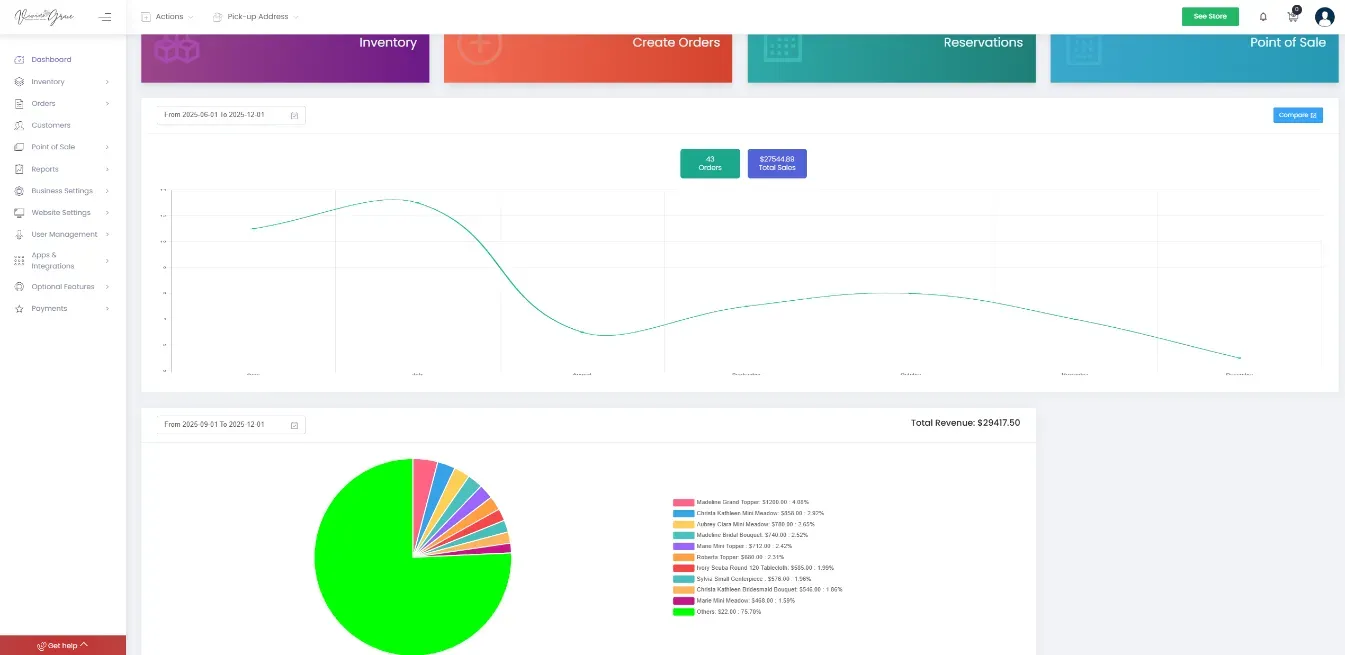
Billing and Payments: Automated customer payments, dispute reduction, organized record-keeping.
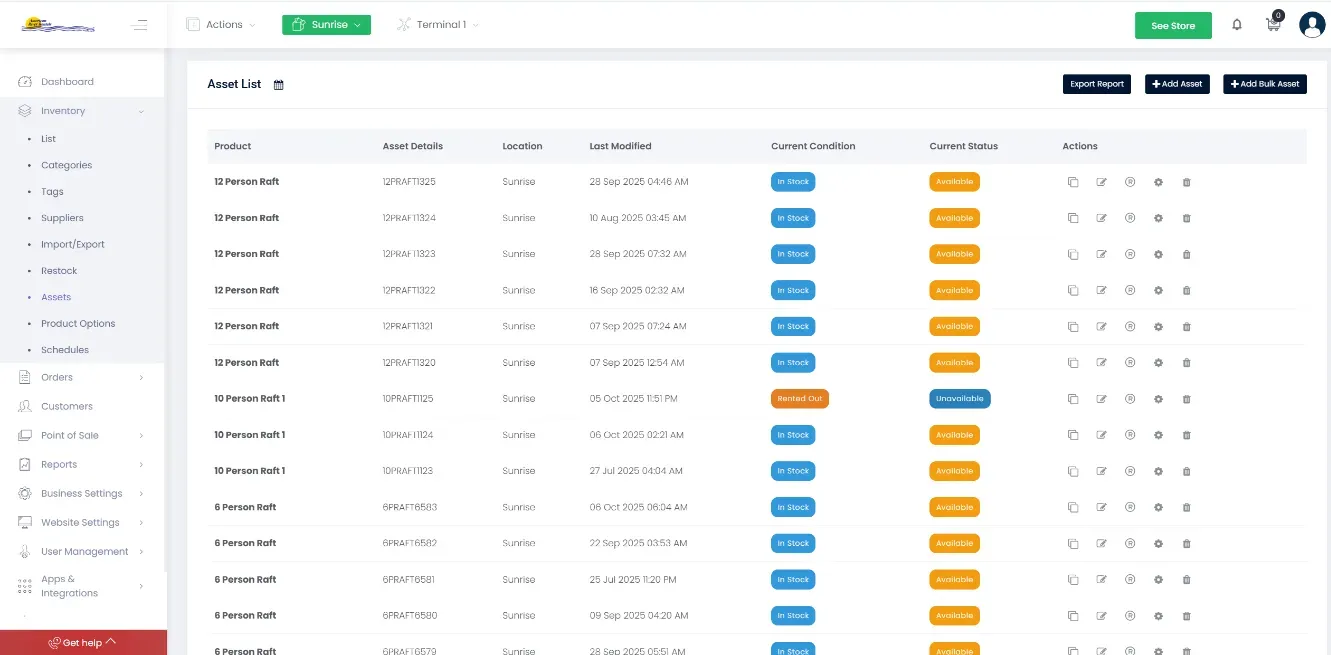
Customer Reporting: Understand usage patterns, retention, and customer behavior to improve your service.
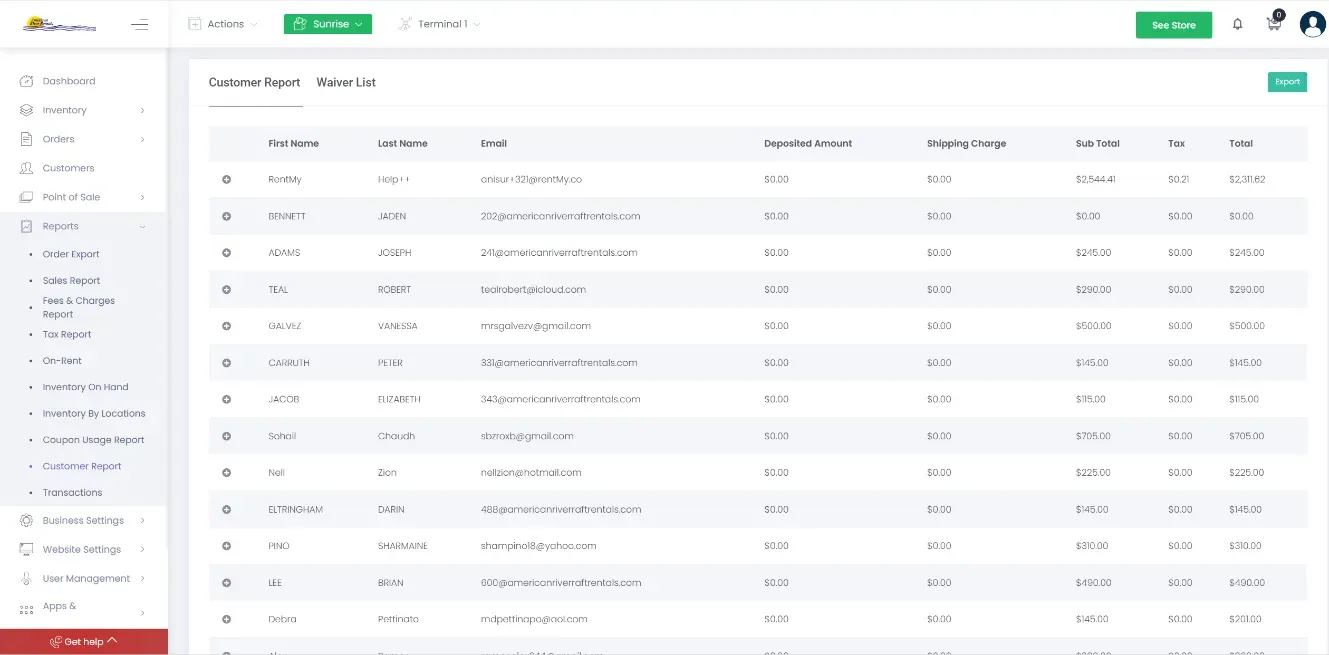
Multi-Location Monitoring: View all stations together, compare performance, and identify strong locations.
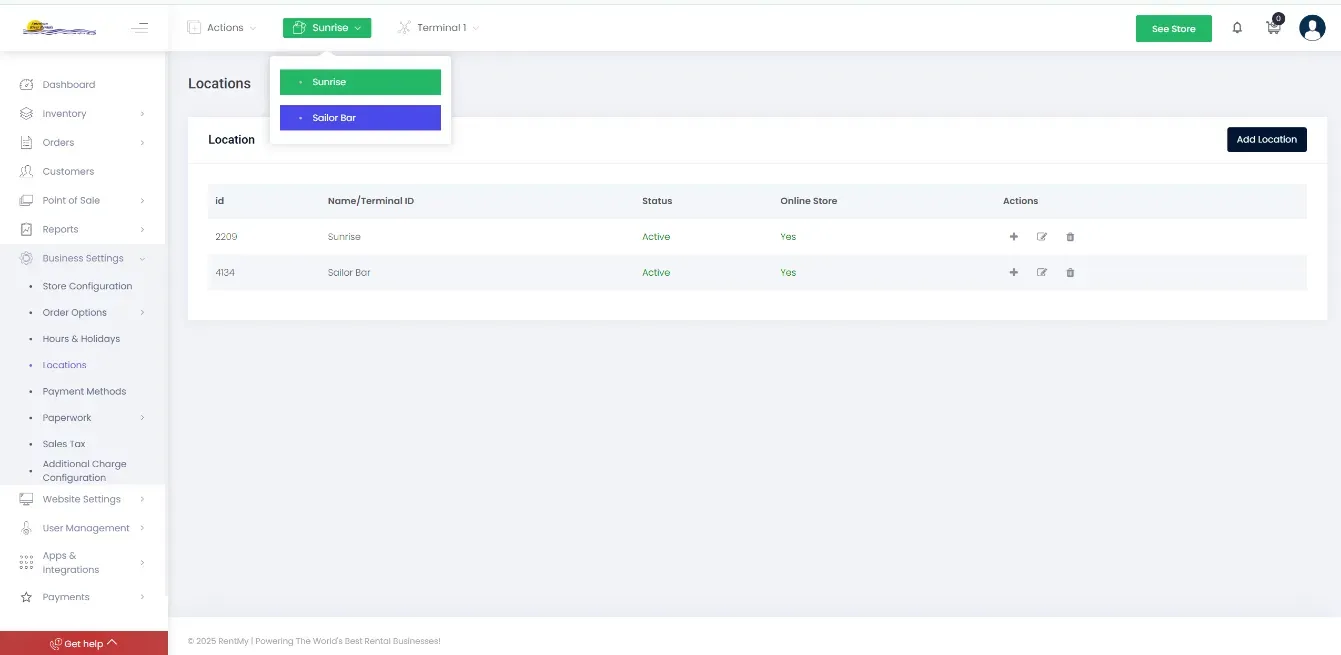
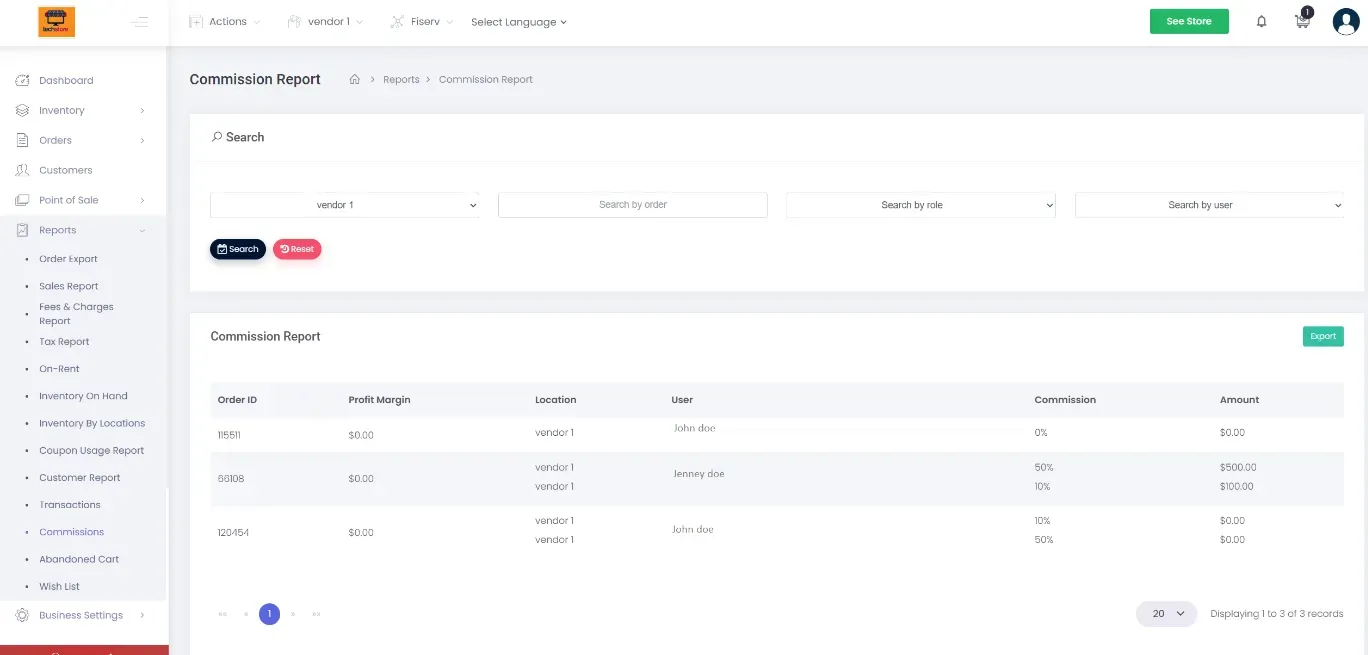
Partner Transparency: Automatic commission tracking and clear payouts for venue partners.
Customer Support Integration: Handle inquiries and refunds efficiently to maintain satisfaction and prevent chargebacks.
Step 7: Set Your Pricing Strategy

Pricing approaches:
- Pay-per-hour: Suitable for quick stops
- Daily caps: Prevents bill shock and builds trust
- Deposit-free options: Increases conversion rates
- Bundle pricing: Discounts for multi-day rentals or service combinations
- Partner commissions: Factor venue splits into pricing structure
Test pricing regularly and adjust based on performance data.
Step 8: Operations, Maintenance & Security

Battery Lifecycle Management
Track batteries with individual IDs to identify when replacements are needed. Monitor usage patterns to plan gradual replacements, avoiding bulk failures. Simplify warranty claims and recycling.
Routine Kiosk Maintenance
Perform weekly inspections checking for:
- Loose cables
- Dirty card slots
- Software glitches
- Screen functionality
Log each visit to create a maintenance history that identifies recurring issues.
Customer Support
- Use automation for common questions
- Prioritize fast response times
- Handle refunds promptly
- Maintain polite, professional communication
- Prevent negative reviews through proactive support
Anti-Theft and Loss Prevention
- GPS tracking for real-time location monitoring
- Built-in alarms as theft deterrents
- User identity verification during signup
- Equipment marking to prevent resale
- Regular usage pattern monitoring
- Clear communication about tracking to naturally reduce misuse
Step 9: Marketing Strategy

Online Presence and Booking
- Build fast-loading, mobile-friendly websites
- Use high-quality images showing power banks in various contexts
- Include location-specific keywords for local search visibility
- Provide clear service information
- Implement platforms like RentMy for integrated booking and payments
Search Engine Optimization (SEO)
- Research customer search terms using Google Trends
- Optimize Google Business Profile for local visibility
- Maintain accurate listings on directory platforms like RentMy
- Keep availability and pricing information current
- Focus on local search results
QR Code Awareness
- Place QR code stickers with clear scanning instructions ("Scan to Charge")
- Position stickers at high-traffic spots (cafes, gyms, waiting areas)
- Track which locations perform best
- Build brand familiarity through consistent visibility
Event Sponsorships and Activations
- Set up branded stations at concerts, festivals, trade shows
- Solve real charging problems during high-usage events
- Offer free charging or QR-code sign-ups
- Create memorable brand experiences
- Build recognition for future venue placements
Local Partnership Development
- Partner with venues for mutual benefit (customers stay longer, businesses gain happy guests)
- Share transparent results and positive feedback
- Build credibility and referral opportunities
- Reduce marketing costs through network effects
Social Media Marketing
Leverage over 5.66 billion social media users by:
- Sharing real-world charging moments
- Creating short demonstration videos
- Using location tags for local discovery
- Posting helpful charging tips with visuals
- Maintaining a consistent, practical posting schedule
- Sharing behind-the-scenes content and user photos
- Building authenticity over volume
Conclusion
Starting a power bank rental business in 2026 is a genuinely low-barrier, high-demand opportunity. The market is growing fast, the equipment is accessible, and recurring revenue is built right into the model.
Your success depends on picking the right locations, managing your equipment well, pricing smartly, and using the right software to stay organized. RentMy handles the operational complexity — from inventory tracking to billing to partner commissions — so you can focus on growth.
FAQs
How to Rent a Powerbank?
Scan the kiosk's QR code to access the app or payment page, select a power bank, pay via card or mobile wallet, and take it. Return to any provider station when finished.
How Does Rent a Power Bank Work?
Download the app or scan the QR code, pick a power bank and rental duration (hourly/daily), and pay securely. The machine unlocks your selection. After charging devices, return to any compatible station for automatic check-in and deposit refund.
Are Power Banks Worth the Money?
Yes, for travelers and urban users. Renting costs $1–3 per use versus purchasing new units. This approach saves money, reduces luggage space, and decreases e-waste.
How to Use a Power Bank Vending Machine?
Scan the QR code to open the app, pick a power bank, choose a plan, pay, and take the device. To return, scan and insert it back into any slot.