

Explore the Content:
- What Is a Cabin Rental Business?
- Is a Cabin Rental Business Profitable?
- How to Start a Cabin Rental Business in 10 Steps
- Step 1: Research the Market & Validate Demand
- Step 2: Choose Your Cabin Rental Business Model
- Step 3: Create a Cabin Rental Business Plan
- Step 4: Set Up Legal, Zoning & Financial Foundations
- Step 5: Build or Acquire Your Cabin
- Step 6: Furnish & Prepare the Cabin for Guests
- Step 7: Set Your Cabin Rental Pricing Strategy
- Step 8: Simplify Operations & Guest Management
- Step 9: Launch & Market Your Cabin Rental Business
- Step 10: Scale & Grow Your Cabin Rental Business
- Conclusion
- FAQs
Ready to turn your cabin dreams into reality? You're likely wondering where to start, how much it costs, and if it can generate a steady income. If you're looking up how to start a cabin rental business, you're in the right place. And your timing is perfect!
The U.S. vacation rental market is set to hit US$29.13 billion by 2030, growing at a 5.67% annual rate. While demand is rising, many owners miss out on profits because of poor planning. This guide gives you the step-by-step playbook. We'll cover setup, pricing, marketing, and more, all the practical details you need, without the guesswork. Let's dive in.
What Is a Cabin Rental Business?
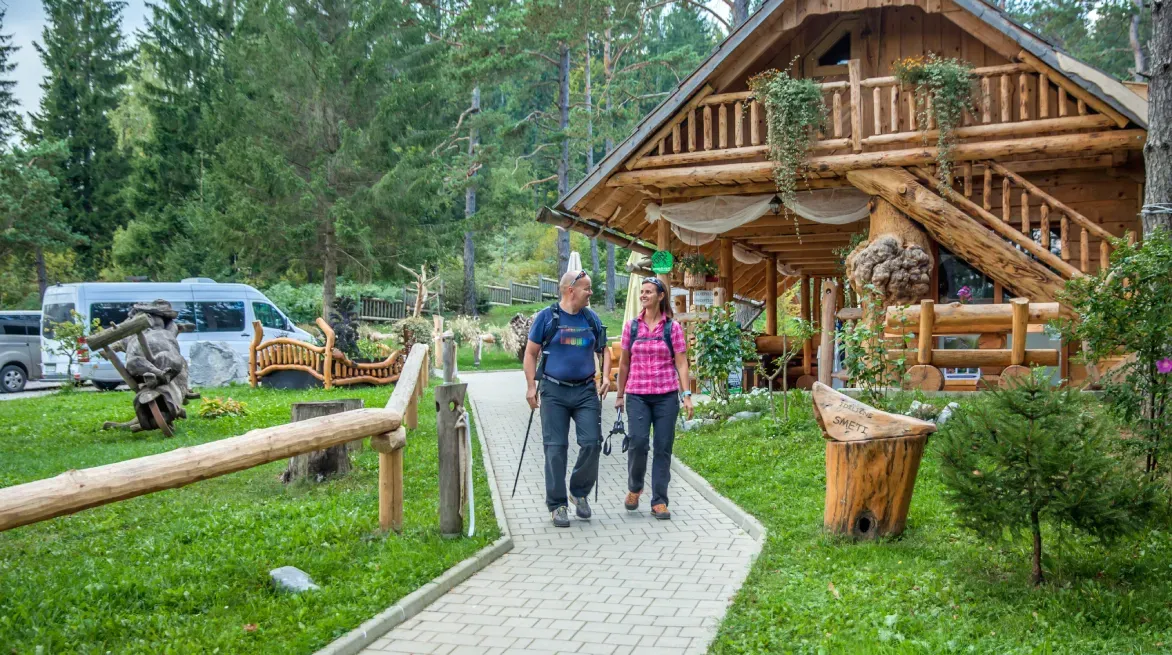
A cabin rental business is a hospitality model where a standalone structure in a rural or natural setting is leased to guests for short-term stays. It focuses on providing seclusion, a unique atmosphere, and direct access to outdoor recreation rather than just basic accommodation.
The primary difference between a cabin rental and a traditional vacation rental business (like a condo or suburban house) is the "experience factor." Guests book condos for convenience. They book cabins for the feeling. They want the wood stove, the tree-lined driveway, and the sense of escape.
Types of Cabin Rentals
Each cabin style attracts a different type of traveler, so it's important to know your market.
Log cabins are the most common type of cabin. They are made from natural logs, which gives them a cozy, traditional feel. Guests often choose them for their wood textures, fireplaces, and beautiful forest or lakeside locations.
Modern cabins are different. They have clean lines, open spaces, and everyday comforts like air conditioning, good internet, and smart TVs. These cabins attract guests who want to be in nature but still have the conveniences of a city, which makes them easier to rent all year round.
Luxury eco cabins offer the best of both worlds. They feature premium perks like hot tubs and stylish interiors, combined with eco-friendly touches like solar panels and recycled materials. Perfect for guests who want comfort, privacy, and sustainable travel.
Understanding these distinctions will help you match your property to the right audience and make smarter investment decisions. Knowing these differences will help you attract the right guests, make smarter investment choices, and see a faster return on your investment.
Log Cabin vs Standard Cabin Rentals
Log cabins offer a unique, memorable experience with their woodsy scent, crackling fireplaces, and thick timber walls. These sensory details create emotional connections, which can lead to strong reviews and repeat bookings for cabin rental businesses that want to feel authentic.
Standard cabins focus on simplicity and reliability. Made with modern materials and simple designs, they are perfect for families and remote workers who want a consistent, hassle-free stay.
The cost difference is notable, too. Building and maintaining a log cabin costs more because you have to treat, seal, and check the wood for pests regularly. Standard cabins are cheaper to build and easier to look after, which saves you money over time.
Log Cabin vs Standard Cabin Comparison
Here's a quick table to compare log cabin and standard cabin rentals.
| Comparison Metric | Log Cabin | Standard Cabin (Modern Cabin) |
|---|---|---|
| Construction Cost | $130–$190/sq ft ($55k–$170k total) | $110–$160/sq ft ($45k–$140k total) |
| Maintenance Needs | High (sealing, pests annually) | Medium–Low (siding, systems checks) |
| Guest Appeal | Very high — rustic, nature immersion | High — modern comfort & convenience |
| Seasonal Demand | Peaks fall/winter (fires, scenery) | Year-round, stronger spring/summer |
| Est. Profit Per Month | $2,800–$6,200 | $2,500–$5,600 |
Disclaimer: All figures are estimates based on typical 2024–2025 U.S. rental markets. Actual costs and profits depend on your location, cabin size, financing, and how you manage the property. These figures should not be interpreted as guaranteed returns.
Is a Cabin Rental Business Profitable?

Profitability in vacation rentals depends on location, occupancy (target 50–70% annually), dynamic pricing, and managing costs. Owners can achieve 40–60% gross margins after cleaning and utilities, with 25–45% net profit after overhead. Tools like RentMy can cut admin work by 80% and boost efficiency.
In high-demand areas, repeat guests and direct bookings drive stronger returns. High seasons (summer/winter) can push RevPAR to $160+ at 65–85% occupancy, while low seasons drop to 35–45%, offering time for maintenance and pricing adjustments.
The vacation rental market in the U.S. is projected to hit US$22.11bn by 2025, growing at a CAGR of 5.67% to US$29.13bn by 2030. ROI ranges from 10–25% in year one, scaling to 35–80% over five years through appreciation and occupancy gains.
As global travel trends grow, especially among millennials, well-managed vacation rentals remain a lucrative way to generate dependable income and long-term returns.
Cabin Rental Business Profitability Table
Here is an estimated comparison of profitability metrics for operating one cabin versus multiple cabins.
| Cabin Rental Profitability Metric | 1 Cabin (Estimated) | 5 Cabins (Estimated) |
|---|---|---|
| Average Nightly Rental Rate | $140–$260 | $140–$260 per cabin |
| Average Occupancy Rate (Low Season) | 30%–45% | 30%–45% |
| Average Occupancy Rate (High Season) | 60%–85% | 60%–85% |
| Annual Cabin Rental Revenue | $32k–$58k | $160k–$290k |
| Operating Profit Margin | 40%–60% | 42%–60% |
| Annual Net Profit (After Expenses) | $13k–$35k | $65k–$175k |
| 1-Year ROI | 8%–22% | 10%–26% |
| 5-Year ROI | 30%–70% | 35%–80% |
Disclaimer: Revenue, occupancy, and ROI vary based on pricing, location, fees, and others. These estimates do not guarantee future performance.
Cabin Rental Industry Overview: Trends, Demand & Growth
Remote work and "bleisure" (business-leisure blends) have changed cabin demand. With 42 percent of the U.S. labor force now working from home, more people are choosing cabins in nature over traditional hotels. This trend points to huge potential for growth, as the vacation rental market is expected to reach $396B globally by 2032, growing at over 10% each year.
Success in the cabin market means knowing when people travel. Lakeside and mountain cabins are busiest in summer and winter, often reaching 65–85% occupancy. Fall is also popular for leaf-peeping. These busy times help cover the slower spring months, which are perfect for doing repairs and maintenance.
Location is still the most important factor for success. Popular spots like Gatlinburg, TN, bring in a lot of money each year. Meanwhile, new eco-tourism areas in the Pacific Northwest are creating new opportunities. If you run a cabin rental business, remote work and nature-focused travel mean steady growth ahead.
How to Start a Cabin Rental Business in 10 Steps
Starting a cabin rental business takes more than buying land or a cozy structure. You need detailed research, smart decisions, and systems that support growth. Following these steps will help you launch your rental business with fewer risks and stronger long-term returns.
Step 1: Research the Market & Validate Demand

Before spending a dollar, you must confirm that guests actually want to stay where you plan to operate. Demand decides pricing power, occupancy, and long-term stability. Doing this research now will guide every decision you make later.
A. Analyze Tourist Demand & Travel Trends
Nature-based travel is growing as more people seek privacy, space, and slower, more meaningful stays. Remote work plays a big role. Many guests now book longer cabin stays to unplug while staying connected. Scenic areas like forests, mountains, and lakes are now more popular than urban-adjacent spots. Families and couples choose cabins for privacy and room to relax. Younger travelers care about sustainability, quiet settings, and meaningful experiences.
Areas near national parks and scenic regions often show steady year-over-year growth, which makes them safer long-term choices. To confirm real interest, review state tourism reports and park visitor data. Pair that with seasonal occupancy averages from short-term rental reports. Rising searches for cabin getaways signal strong intent and help avoid markets already stretched thin. Nature-focused stays continue to be a smart choice for both travelers and investors.
B. Study Competitors and Local Pricing
Once demand looks real, focus on nearby operators. Analyze listings on platforms like Airbnb, VRBO, and the RentMy Rental Directory within driving distance. Look for properties with similar styles and sizes to detect seasonal pricing patterns.
To sharpen this view, apply the business analysis process to review competitors, footfall, and pricing habits. Don't just look at nightly rates; look for gaps in the market. Check photos, response speed, cleanliness feedback, and amenities that earn better reviews or higher prices. For example, if you notice a lack of pet-friendly stays or eco-conscious features, you've found an opportunity to stand out. Strong competitors teach you what works. Weak ones show how to shine without racing to the bottom on price.
C. Validate Demand Using Airbnb, VRBO & Google Trends
Platform data turns assumptions into proof. Airbnb, VRBO, and RentMy Rental Directory dashboards show occupancy trends, seasonal peaks, and average earnings by location. Aim for markets holding fifty to seventy percent annual occupancy with room to grow.
Google Trends adds even more insight. A rise in local cabin searches confirms people are looking to book. These search patterns also highlight what guests want, like pet-friendly options or longer stays. These insights guide positioning early. Create a coming-soon page with an email signup to test interest. If people respond, you'll know starting a cabin rental business in that area could be a good idea before investing money.
Step 2: Choose Your Cabin Rental Business Model

Once you've confirmed people want to stay in your area, you need to decide how to set up your business. Your business model affects how fast you open, how much you invest, and how easily you scale later.
A. Build vs Buy a Cabin
Building gives you control. You can design layouts that capture views, add lofts, or create unique features that command higher rates. However, it takes time. Permits, weather, and construction delays can push back timelines and increase costs.
Buying an existing cabin is faster. After inspections and minor upgrades, you can be ready to rent within months. This works especially well in popular tourist areas where demand is already high. Renovations can also quickly boost the property's value.
Prefab log cabins sit in between. They reduce build time while keeping rustic appeal. If you're starting a log cabin rental business, consider your priorities: control, speed, or cost. Then choose the option that best balances them while meeting guest expectations.
B. Single Cabin vs Multi-Cabin Strategy
Starting with one cabin lowers risk. It lets you learn guest behavior, pricing, and maintenance without heavy pressure. Owners often self-manage early, adjust quickly, and reinvest profits once systems feel stable.
On the other hand, owning multiple cabins spreads risk. If one cabin is empty, others can still generate income. Grouped locations and shared cleaning schedules lower costs, while platforms often boost visibility for consistent operators with multiple listings. Shared cleaning schedules and grouped locations make cleaning easier and cut travel costs. Plus, managing several listings can improve your ranking on booking sites, as platforms tend to reward consistent, active hosts.
Ultimately, your choice will depend on your financial situation and what you hope to achieve. A single cabin is ideal for first-time owners looking to start small and gain experience. For those ready to scale, multiple cabins make sense, as long as you have systems in place to manage everything efficiently.
C. Log Cabin Rentals as a Niche Investment
Log cabins have a charm modern buildings can't match. They remind guests of warmth, cozy scents, and nostalgia. This drives stronger winter demand and higher review scores when maintained well.
Construction costs are higher because of materials and skilled labor. Maintenance needs sealing and inspections. However, higher nightly rates and repeat bookings often make up for these costs over time. With the right cabin rental business plan, log cabins do well in rural areas with less competition. Their long lifespan and resale value also support stronger long-term returns.
Cabin Rental Business Models
Here are the differences between common cabin rental business models based on cost, timeline, and profit potential.
| Comparison Metric | Build From Scratch | Buy Existing Cabin | Prefab Log Cabin |
|---|---|---|---|
| Upfront Cost | $170k–$380k+ | $130k–$320k | $80k–$200k |
| Time to Launch | 9–18 months | 1–3 months | 3–6 months |
| Maintenance Cost | Medium–High | Medium (age-dependent) | High (regular sealing) |
| Profit Potential | High (custom & premium features) | Medium–High (value-add upgrades) | High (niche guest appeal) |
Disclaimer: Actual costs and timelines depend on location, permits, and construction factors.
Step 3: Create a Cabin Rental Business Plan
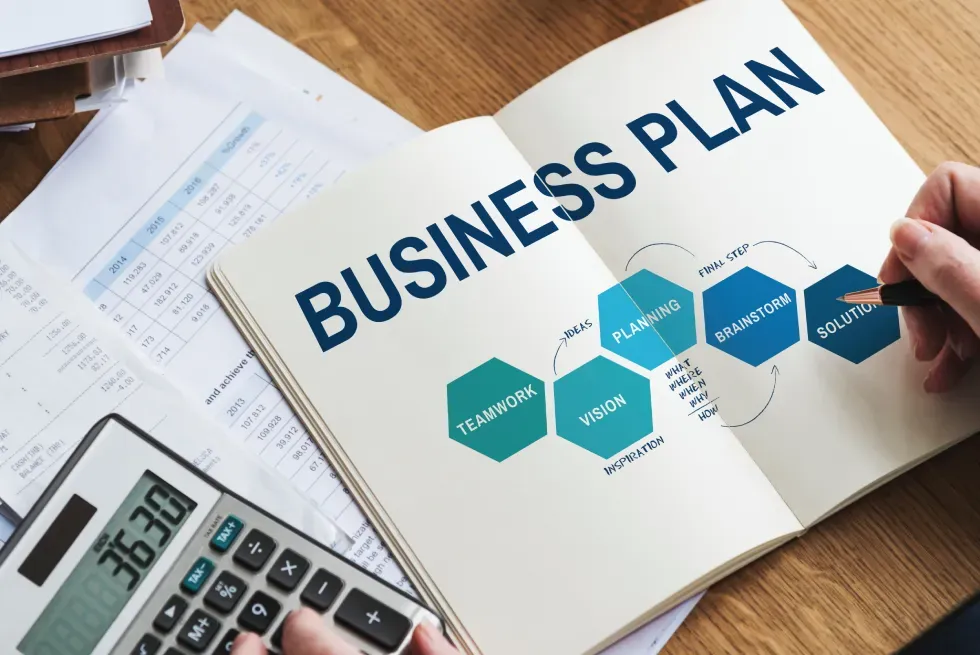
You'll need a plan before you dive into buying property or building a website. Think of your business plan as your personal GPS tracker. It helps you stay focused, control spending, and adapt when conditions change.
First, identify your target audience. Are you catering to families needing space, couples on a romantic getaway, or remote workers seeking reliable Wi-Fi? Understanding your guests helps you improve your services and increase bookings.
Next, study your competition. Check their prices, strengths, and weaknesses to see where you can do better. Avoid saturated markets where new listings struggle to gain traction.
Pricing ties everything together. Set base rates by season and adjust for demand. Add optional extras to raise revenue without raising rates. A strong marketing plan makes all the difference! Use social media, ads, and listing sites to connect with your perfect guests. Show off what makes your place special and share great deals to bring in more bookings.
Finally, map finances. To ensure your business stays profitable, plan your budget with strong financial management strategies. Estimate startup costs, monthly expenses, and conservative revenue. Build buffers for slow seasons and rule changes. Clear projections help ensure that starting a cabin rental business stays profitable year after year.
Step 4: Set Up Legal, Zoning & Financial Foundations

Before starting construction or taking bookings, it's important to have a firm legal setup. This protects your assets, ensures compliance, and avoids expensive problems later. Getting it right early makes running your cabin rental business much easier as it grows.
A. Business Structure (LLC vs Sole Proprietor)
Choosing a business structure affects your personal risk. Many cabin owners choose an LLC to protect their personal assets. If a guest gets hurt, there's a fire, or a dispute happens, this protection is important. An LLC costs more but provides security, confidence, and makes it easier to grow or add partners. On the other hand, a sole proprietorship may seem simple and cheap, but it leaves your personal assets exposed to legal claims.
If you're serious about renting out your cabin, the protection of an LLC is worth the extra work. Setting up an LLC is simple. Use your state's online portal, get a free EIN, and consult a professional to avoid mistakes.
B. Licenses, Permits & Zoning Requirements
Before you can rent out your cabin, you'll need legal approval. This means securing the right short-term rental permits and a business license. You also need to confirm that local zoning allows for stays under thirty days. Some areas may even require safety and fire inspections.
Tax compliance is also important. You must register for the right sales tax and correctly handle any tourism or occupancy taxes. While guests pay these, you're responsible for reporting and remitting them on time. Setting up organized payment systems or using automated tools to track transactions can simplify this process and reduce the risk of errors. Doing things right can also help you find tax deductions to lower your tax bill.
Finally, check your HOA rules, as some prohibit short-term rentals. Renewing your permits on time will protect your investment, keep you compliant, and maintain trust on major booking platforms.
C. Insurance Requirements for Cabin Rentals
Insurance shields your income when accidents happen. Most cabin owners carry at least one million dollars in liability coverage to handle guest injuries or property damage. Property insurance covers storms, fires, and regional risks like falling trees. Mountain or lakeside cabins often need add-ons for floods or severe weather. Business interruption coverage helps replace income during repairs.
While platforms offer host protections, they rarely replace full insurance. Review coverage yearly as rates and risks change. Proper insurance for your rental business not only limits losses but also reassures guests. For owners planning for long-term growth, it's a simple way to stay protected.
Step 5: Build or Acquire Your Cabin
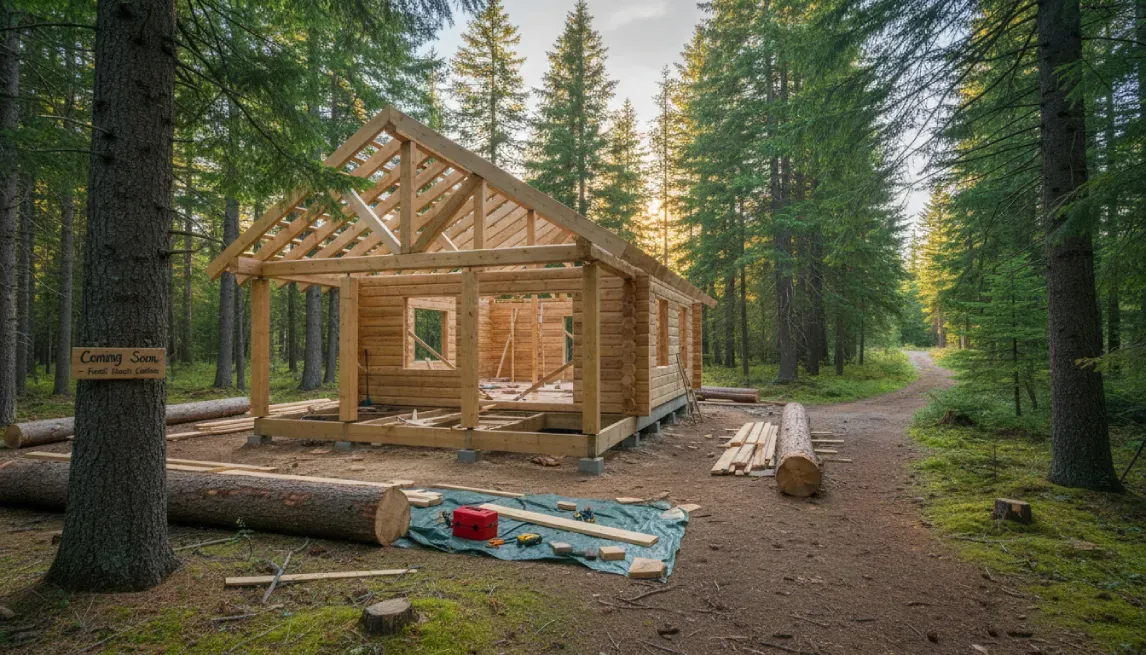
With your legal paperwork sorted, it's time for the fun part: getting your cabin. Whether you build or buy will impact your timeline, budget, and how much guests will love it. This is the step that creates the experience your guests will remember.
A. Construction vs Prefab Log Cabins
Custom builds offer design freedom. You can shape views, layouts, and features that justify premium pricing. The downside is time. Weather delays, permits, and labor shortages often stretch timelines and budgets beyond expectations.
Prefab log cabins are a quicker and easier option. Built in factories, they're ready to assemble fast, with fewer delays and consistent quality. Permits are simpler, and the rustic charm makes them a popular choice. If you're starting a cabin rental business, prefab models can help you launch faster and begin earning sooner. They meet guest expectations for comfort while saving you time and effort during construction. For those balancing speed, quality, and cost, prefab cabins are a practical and efficient choice.
B. Cabin Size, Layout & Design Recommendations
For the ideal cabin experience, you can aim for 800–1,500 sq ft. This size feels spacious yet manageable. Design about 60% of the space as an open-plan living and kitchen area, perfect for group stays, and include 2–3 small private bedrooms for easy cleaning. Adding a loft is a smart choice for families.
Maximize natural light with large windows to highlight views, and create seamless flow between indoor and outdoor spaces with decks. These features often matter more to guests than high-end finishes. An entry mudroom is also helpful for managing outdoor gear and protecting the interior. Focus on simple, intuitive design. When guests immediately understand the space, they relax faster, leading to longer stays, better reviews, and repeat bookings.
C. Eco-Friendly & Energy-Efficient Features
Sustainable features now influence booking decisions. Solar panels, strong insulation, and efficient lighting reduce monthly bills while attracting eco-aware travelers. Many guests actively seek low-impact stays. In many regions, you can even access grants or tax benefits to offset the initial investment.
Beyond the savings, eco-friendly homes attract a growing demographic of travelers who prioritize low-impact stays. Highlighting these features in your listings builds trust and positions your property as a high-quality destination, rather than a compromise.
D. Cabin Rental Business Start-Up Costs & Budget Breakdown
Land prices vary widely, ranging from $50,000 to $300,000 for a 1–5 acre plot in a popular area. Building or buying a cabin can add another $70,000 to $250,000. Remember to budget for extra costs like surveys, permits, and connecting utilities, and keep a 10% contingency fund for surprises.
Next, furnishing your cabin to ensure guest comfort can cost between $15,000 and $30,000. Focus on durable beds, a well-equipped kitchen, and reliable Wi-Fi. A marketing budget of $5,000 to $15,000 for professional photos and others can help attract your first guests. Finally, consider using rental management software to handle bookings and payments.
Disclaimer: All costs are estimates and may vary depending on location, market conditions, and specific project requirements.
Log Cabins as Rentals
Log cabins are a premium choice. They offer rustic charm and higher returns but require greater investment and upkeep compared to framed cabins. Construction costs can range from $75–$150 per sq. ft. due to solid timber, skilled labor, and logistics, while maintenance like sealing, staining, and pest control adds $1,500–$3,500 annually.
Despite higher costs, log cabins can fetch 15–25% higher nightly rates, faster ROI, and 10–15% resale premiums in tourist hotspots. Log cabins are durable, but they need regular care to protect them from moisture, pests, and sun damage. To keep the cabin in good shape for a long time, you'll need to do regular inspections, re-chinking, and ensure good ventilation.
Building codes also have special requirements for log cabins, such as using thicker logs, allowing for settling, and installing proper drainage systems. Guests love the cozy, authentic feel of a log cabin. To make your investment pay off, focus on features like fireplaces and nature views. Using great photos and highlighting these rustic details will help you attract more guests and increase your revenue.
Step 6: Furnish & Prepare the Cabin for Guests
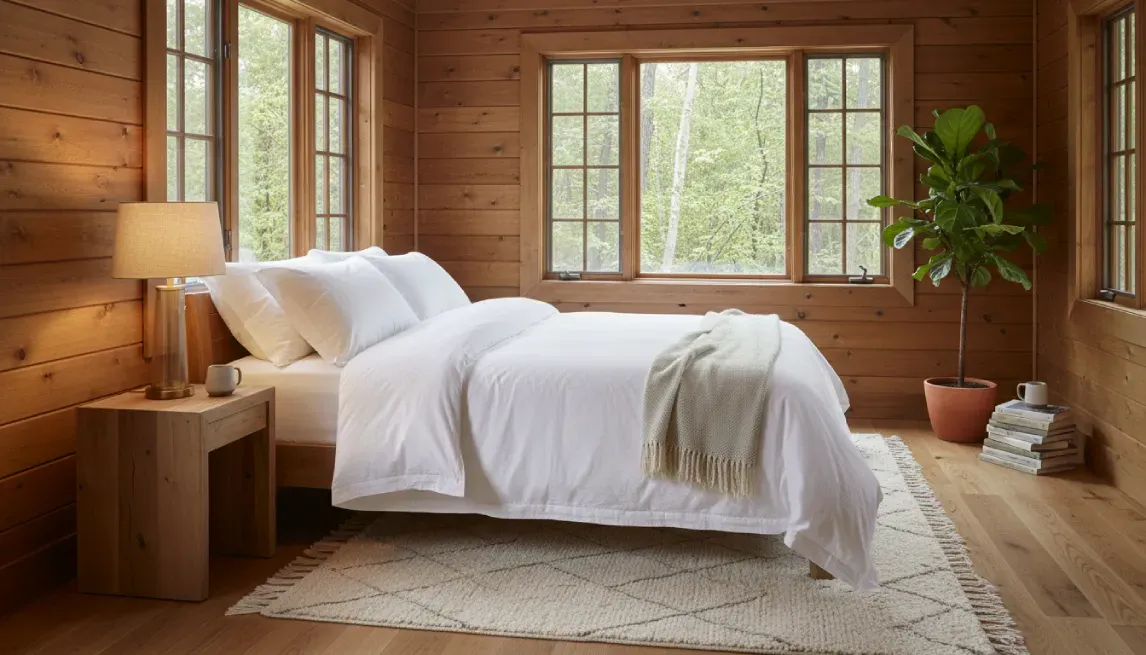
Once the cabin is built, it's time to furnish it. The goal is to create a comfortable, safe, and memorable experience for your guests.
A. Interior Essentials & Guest Comfort
A comfortable cabin interior starts with high-quality, durable furniture. Prioritize comfortable beds with queen or king mattresses, waterproof protectors, and quality linens, as sleep quality significantly impacts reviews. For a cabin sleeping 4–8 people, furnish 2–3 bedrooms and a loft, including essentials like nightstands, lamps, and blackout curtains. Offering family-friendly items like pack-n-plays can also attract longer stays.
Most guests will cook, so your kitchen needs to be fully stocked. Make sure you have a full set of pots and pans, a coffee maker with some starter pods, and all the utensils and cleaning supplies they'll need. For the living room, add modern entertainment like a smart TV, speakers, and board games. Fast, reliable Wi-Fi (like Starlink) is a must-have, especially for guests working remotely.
Budget around $12,000–$25,000 for initial furnishing, focusing on durability. Keep extras like hairdryers on hand and conduct regular inventories to stay well-stocked and maintain a fresh, appealing space for every guest.
B. Outdoor Amenities That Increase Nightly Rates
Adding outdoor features is a great way to earn more money through higher daily rates and more bookings. A hot tub is one of the most popular additions, especially in mountain areas, where it can attract more bookings and justify higher nightly rates. Fire pits with chairs and firewood create a cozy vibe that guests enjoy. Gas fireplaces are a safe way to add extra warmth.
Other popular outdoor upgrades include grills, picnic tables, hammocks, and cornhole sets. You can also add short trails with benches for guests who want to enjoy nature. To create a better atmosphere, use string lights and Bluetooth speakers. For safety, install low-voltage LED lights. These features can boost your occupancy and make your listing stand out with beautiful photos that attract more bookings. Although they require seasonal upkeep, they can offer a quick return on investment and long-term appeal.
C. Safety, Accessibility & Compliance Checklist
Start with the basics to keep guests safe and build trust. Install interconnected smoke and carbon monoxide detectors, and put fire extinguishers near the kitchen and exits. If your rental has multiple floors, include escape ladders. Always provide a first-aid kit and a clear list of local emergency numbers.
Secure the property with smart deadbolts that use expiring PINs and add motion-activated exterior lights or cameras, respecting guest privacy. For families, childproof the space with cabinet locks and outlet covers, and install a pool alarm if there's a water feature.
Make your rental more inclusive by improving accessibility. Consider adding ramps with a 1:12 pitch, widening doorways to at least 32 inches, and installing roll-in showers with grab bars. Ensure all fire codes, like having proper egress windows (20″x24″), are met. Keep a regular log of your safety inspections to stay compliant; this keeps guests safe and helps you earn the high ratings needed for long-term success.
Step 7: Set Your Cabin Rental Pricing Strategy

Setting the right price for your cabin helps get bookings and manage your finances. Pricing too high or too low can hurt your profits, but the right price keeps your income steady.
A competitive pricing strategy, where you price your cabin near the national average, can help you get bookings fast. While this approach is effective for new listings, it can also mean lower profits. Alternatively, you can use a value-based approach. This lets you charge 20–40% more if you have special features like great views or eco-friendly amenities. This strategy helps build a stronger brand.
Another effective method is bundle pricing, where you package the stay with extras like a guided tour or a welcome basket, allowing for a higher perceived value and price. Many owners mix both methods, using pricing tools to change rates based on how busy it is.
Demand changes with the seasons. In summer and winter, occupancy rates can reach 70–85%, letting you charge higher prices. During slower months, offer discounts to keep bookings steady. Reduce turnover by setting minimum stays, like 2 nights off-season and 3–4 nights during busy times. A clear cancellation policy protects your income and builds trust with guests.
Cabin Rental Pricing Strategy Table
Here is a comparison of typical pricing and occupancy ranges across different cabin types.
| Pricing Metric | Log Cabin | Luxury Cabin | Basic Cabin | Competitor Rate |
|---|---|---|---|---|
| Weekday Rate | $140–$210 | $260–$380 | $95–$155 | $180–$230 |
| Weekend Rate | $190–$300 | $360–$480 | $125–$190 | $250–$320 |
| High Season Rate | $210–$320 | $390–$520 | $145–$220 | $270–$350 |
| Low Season Rate | $110–$190 | $190–$310 | $75–$130 | $150–$210 |
| Average Occupancy Rate | 60%–85% | 55%–80% | 45%–70% | 55%–75% |
Disclaimer: Rates and occupancy vary by market, demand, and competition.
Step 8: Simplify Operations & Guest Management
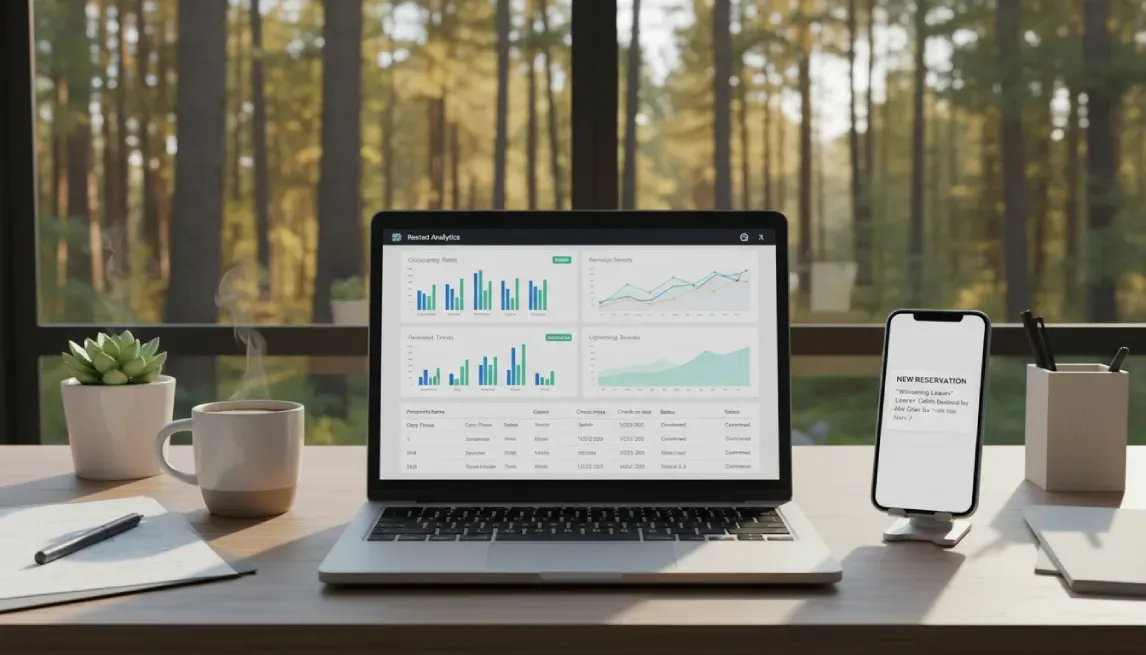
As your cabin rental business expands, so does the daily operational workload. More bookings mean more messages and more chances for small mistakes to slip through. The real goal here is control, not hustle. Strong systems reduce manual effort and keep operations steady as demand rises.
Centralized management tools pull bookings, calendars, pricing, and guest details into one place. Availability stays accurate. Messages go out on time. Rates stay consistent. This alone prevents double bookings and missed updates that quietly hurt revenue and reviews.
Automation handles repeat tasks without removing the human touch. Check-in details are sent automatically. Cleaners get notified right after checkout. Access codes update without manual effort. You can stay in the loop without constantly checking your inbox.
The same clarity applies to asset tracking. By tracking each item with a unique ID, you'll always know where your equipment is, what needs replacing, and what's missing. Simple systems for marking your equipment to prevent theft protect your investment, and make scaling up easier.
Clean booking and payment flows protect cash flow. Payment processes on schedule. Records stay organized. Taxes and reports stay clear. Over time, this clarity shows what performs well, where costs creep in, and how to grow without burnout. When one system quietly connects these moving parts, managing multiple cabins feels calm, predictable, and scalable.
Step 9: Launch & Market Your Cabin Rental Business

Now that you're set up, it's time to book guests. Marketing isn't about making noise; it's about showing the right people why your cabin is perfect for them. Let's talk about how to market your rental business.
A. Optimize Airbnb, VRBO & Other Listings
Guests decide on bookings quickly, so photos and titles matter. Professional pictures show mood, lighting, and space better than phone cameras. Shots at sunrise or sunset add feeling, and interior details help tell your story.
Write descriptions that feel human. While listing amenities is important, focusing on the experience is what sells. Set up and optimize your Google Business Profile to show up on Google Maps. This helps travellers easily contact you, get directions, and trust your business. It also displays reviews, building social proof for your brand.
Paint a picture of quiet mornings by the fire or relaxing evenings after a hike. Use SEO-friendly keywords to help people find your listing, but keep the tone natural to keep them interested. To make the booking process even easier, turn on "instant booking" to remove any friction for your guests. Staying responsive and keeping your calendar updated also boosts your visibility and prevents scheduling gaps.
Finally, consider adding a short video tour; it's a quick way to help potential guests visualize their stay and feel confident clicking "book." Updating listings regularly helps them stay competitive. Small changes to price, photos, or wording can lead to more bookings without extra cost.
B. Create a Direct Booking Website
A direct booking site gives your business its own space where guests connect directly with your brand. It cuts out platform fees and lets you build relationships with guests from the start. Your rental website is where travelers look for availability and amenities, so first impressions matter. If your site is slow or hard to use, guests will likely look elsewhere.
Speed and ease of use are important, especially since over 60% of people browse on mobile. A mobile-friendly design with simple navigation helps guests focus on their vacation, not tech issues. High-quality photos of your cabin's interior and the surrounding scenery help guests imagine themselves there and build trust.
To improve your SEO for your rental business, think about what potential guests are searching for. Tools like Google search suggestions and Google Trends can show you what words people use to find rentals like yours. As direct bookings grow, fees drop. Even shifting part of your bookings saves thousands annually.
If building a website sounds like too much work, platforms like RentMy can help. It offers ready-to-use rental websites with booking and payment tools already built in, so you can start taking direct reservations without any technical stress.
C. SEO, Content & Social Media Marketing
Your online presence works even while you sleep, quietly building trust with travelers long before they book. Helpful articles, like nearby hikes or seasonal tips, attract readers early in their planning. Many of these readers eventually become bookers.
Social media adds an emotional touch. With 5.66 billion users worldwide, it's a powerful tool. Short videos of sunsets or cozy rooms create a connection. Posts from real guests feel relatable. When you post consistently, you build familiarity and trust.
Then there's email marketing. This marketing channel brought in $9.5 billion in 2024. Simple updates or seasonal offers keep past guests engaged and encourage repeat stays. Paid ads can amplify all of this, but it's your content that lays the foundation. When channels work together, marketing feels less like selling and more like storytelling.
D. Local Partnerships & Tourism Promotion
Marketing works best when it extends beyond screens. Local connections often convert faster than ads. Local partnerships put your cabins in front of warm audiences. Attractions, tour operators, and event planners already talk to travelers. Cross-promotions create steady referrals without heavy marketing spend.
Consider joining local tourism boards and chambers of commerce to boost visibility. You can list and advertise on Google as well. You can also offer free stays to local promoters so they can recommend your cabins from experience. These partnerships make it easy to create packages, like "stay-and-play" deals, that guests love and locals trust.
Bundled experiences add value. Guests appreciate simple packages that save time. These partnerships also strengthen community trust, which matters in smaller destinations. Over time, these local ties will help you fill rooms during the slow season. Your business will become a part of the community, not just another online listing.
Step 10: Scale & Grow Your Cabin Rental Business
A. Build a Brand & Expand to Multiple Cabins
Expanding your cabin rental business often starts close to home. Adding nearby cabins saves money, makes cleaning easier, and lets you share vendors to cut costs. By reinvesting profits and using data to find your best locations, you can grow steadily without too much risk.
Keeping a consistent brand across your cabins builds trust and encourages guests to come back. And remember, sometimes fixing up your current cabins can bring in more money than expanding too quickly.
Making a profit is all about smart strategies. Set prices based on busy and quiet times to boost income easily. Buy in bulk and offer extras to earn more while keeping guests happy. Keep an eye on your results to make sure your changes really work.
Building a brand that your guests recognize is the secret to getting them back. Think about using a warm logo and a friendly voice that makes people feel at home before they even arrive. Tools like Canva can help you create a professional logo and branding materials with ease. You can keep the connection going by sharing guest photos or sending out a quick email update. Over time, guests stop shopping around. Knowing what to expect can make them repeat customers.
B. Avoiding Common Cabin Rental Business Mistakes
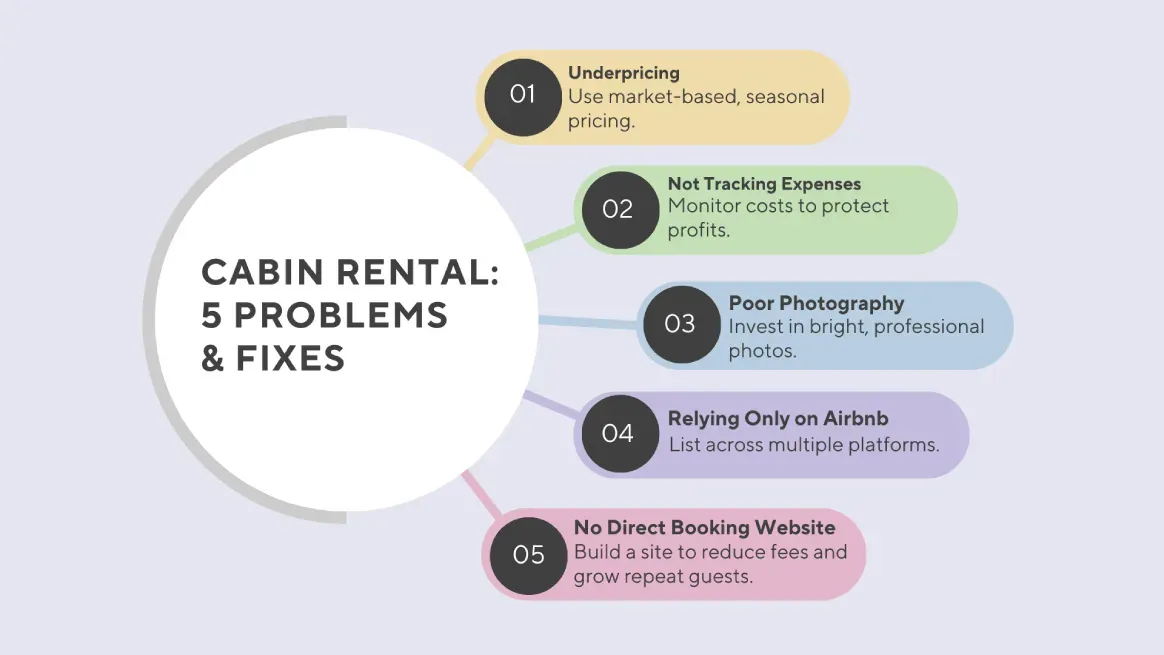
Growth also brings risks. Avoiding common mistakes protects everything you've built.
Many cabin owners price too low just to get bookings, missing out on more income. Instead, track local rates and adjust prices for each season.
A common problem is losing track of expenses. Costs like cleaning, repairs, and platform fees can quickly reduce your profits. You can use tools like RentMy to see how much each cabin really earns and keep your business profitable. Another common issue is not tracking expenses closely. Costs like cleaning, maintenance, repairs, and platform fees can quietly eat into profits. Using expense-tracking tools like RentMy allows you to see how much each cabin truly earns and helps keep your business profitable.
Your marketing also needs attention. Dark or outdated photos can stop potential bookings instantly. Investing in bright, professional images that highlight your cabin's best features will attract more guests.
Also, don't rely solely on one platform like Airbnb for all your revenue. Spread out where you earn. Finally, relying fully on third-party platforms costs you money in fees and limits repeat bookings. A direct booking website gives you more control over profits and helps build long-term customer relationships.
Conclusion
That's a wrap! From planning and setup to pricing and growth, this guide covers the real steps behind how to start a cabin rental business. No fluff, just clear, actionable advice to help you move forward with confidence.
A cabin rental shines when treated like a system, not a side hustle. Strong foundations, smooth processes, and smart choices drive success. Even small tweaks in pricing, guest experience, or automation can deliver big results.
Now it's your turn. Refine your plan, fix the gaps, and build with purpose. Progress happens when ideas turn into action, so let's get started!
FAQs
What Is the 80/20 Rule for Airbnb?
The 80/20 rule means roughly 80% of your bookings and revenue come from 20% of your efforts. For cabin rentals, this usually comes from peak seasons, top guest experiences, strong photos, clear pricing, and fast responses. Focus there for better returns.
How Much Does It Cost to Start a Cabin Rental Business?
Startup costs vary by location and cabin type. Expect $20,000 to $60,000 if you already own the cabin. This covers furnishings, safety upgrades, permits, insurance, photos, and setup tools. Buying a cabin raises costs into six figures.
Are Cabin Rentals Profitable Year-Round?
Yes, but income shifts by season. Summer and winter often drive most profits. Shoulder and off-seasons bring lower occupancy, usually 35–45%. Smart pricing, weekend stays, repeat guests, and direct bookings help keep revenue steady year-round.
Is a Log Cabin Better than a Modern Cabin for Rentals?
Neither is better by default. Log cabins attract guests seeking rustic charm and nature. Modern cabins appeal to travelers wanting comfort and clean design. Profit depends on location, upkeep, amenities, and guest expectations, not just the cabin style.
Can You Manage a Cabin Rental Business Remotely?
Yes. Many owners manage cabins from anywhere using software, smart locks, automated messages, and local cleaners. Centralized systems handle bookings, payments, calendars, and guest communication. With trusted local help, remote management stays smooth and reliable.