
Explore the Content
- Why Rental Businesses Lose Money
- Sign #1: Your Equipment Sits Idle Too Often
- Why Idle Inventory Hurts Profitability
- Common Signs of Low Equipment Utilization
- How to Fix Low Inventory Utilization
- Sign #2: Bookings Are Strong, but Cash Still Feels Limited
- Why Cash Flow Problems Happen in Rental Businesses
- Warning Signs of Rental Business Cash Flow Problems
- How to Improve Rental Business Cash Flow
- Sign #3: Your Prices Haven’t Changed in Years
- Why Outdated Pricing Reduces Profit Margins
- Warning Signs Your Pricing Strategy Is Hurting Profitability
- How to Optimize Rental Pricing
- Sign #4: You’re Missing Fees and Additional Charges
- Common Revenue Opportunities Rental Businesses Miss
- How Missed Fees Impact Profitability
- How to Capture More Revenue
- Sign #5: Maintenance Costs Keep Surprising You
- Why Unplanned Repairs Hurt Rental Businesses
- Rental Businesses Most Affected by Maintenance Issues
- How to Control Maintenance Costs
- Sign #6: You Bought Too Much Inventory Too Soon
- The Risks of Scaling Inventory Too Early
- Signs You Expanded Too Quickly
- How to Scale Inventory More Strategically
- Sign #7: You Still Run Everything Manually
- Why Manual Processes Create Operational Problems
- Warning Signs Your Systems Are Slowing Growth
- How Automation Improves Rental Business Profitability
- Is Your Rental Business Losing Money? (Quick Self-Assessment)
- What Successful Rental Businesses Do Differently
- Stop Losing Money in Your Rental Business
- FAQs
Have you ever finished a busy month and wondered why profits didn't reflect the effort? Are you trying to understand whether your rental business losing money is linked to pricing, inventory, or operational challenges? Rental business owners often share the same concerns.
Even when business is busy, your rental company might not be making the profit you expect. This is often because small, hidden problems are leaking into your revenue, raising costs, and lowering your profits.
The good news is that you can fix these problems. In this guide, we'll explore seven common warning signs and offer practical ways to improve your utilization, cash flow, pricing, maintenance, and operations.
Why Rental Businesses Lose Money
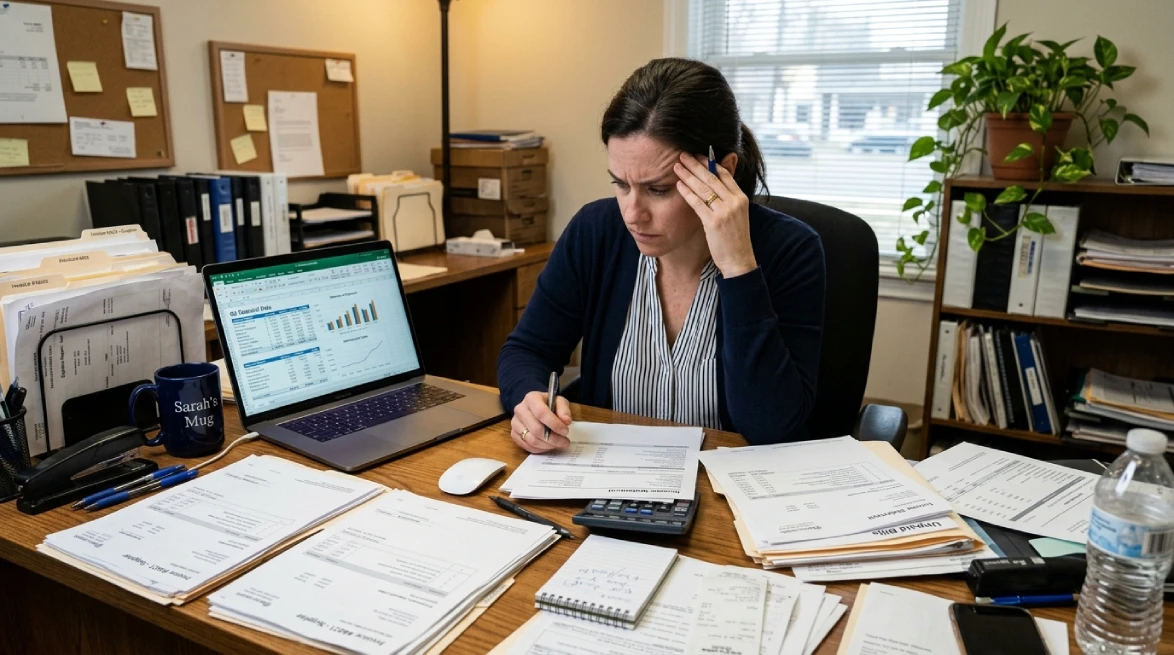
As a rental business owner, you might think getting more bookings means more profit. But even a full schedule can hide money problems. A healthy sales figure doesn't always lead to healthy profits.
This is what often leads to rental business profitability issues. While you're busy getting more bookings, you might be forgetting about the real costs of each rental, like maintenance, transport, and insurance.
Even a busy rental item may earn less than expected after accounting for all related costs. Small errors, like setting prices too low or relying on spreadsheets, can build up and lead to common rental business mistakes that impact your profit.
These problems can hurt your cash flow and show that your rental business is unprofitable. To avoid this, keep an eye on utilization, cash flow, and profit margins. This will help you see why you might be losing money and fix issues early.
Let's look at the seven signs your rental business is losing money and how to fix them.
Sign #1: Your Equipment Sits Idle Too Often
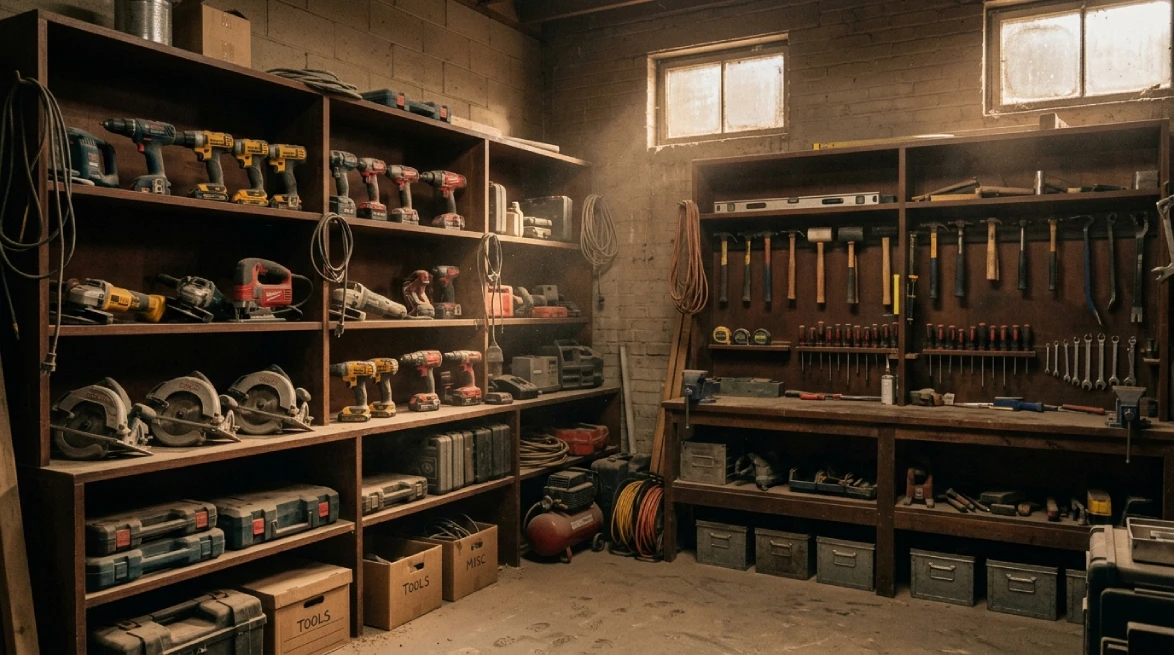
Your rental equipment should be making you money, not gathering dust. If your inventory is sitting idle, it's not generating revenue. This low utilization is a common reason why a rental business is losing money.
Why Idle Inventory Hurts Profitability
Ever wonder what your idle equipment is really costing you? It might seem harmless, but unused inventory can quietly drain your finances.
Think about it: every piece of equipment you own is an investment. When it's not out on a rental, that money is just sitting there, not earning a cent. This is a classic reason for a rental business losing money.
And that money could be helping fund promotions, equipment upgrades, or employee development!
Plus, the costs don't stop just because the bookings do. You're still paying for storage, insurance, and maintenance. Even depreciation continues, lowering your asset's value over time.
These hidden expenses are often clear signs of an unprofitable rental business. To improve your business, you need to deal with these costs directly.
Common Signs of Low Equipment Utilization
Spotting low equipment utilization early can save you a lot of trouble! It often starts with a few warning signs.
Are some of your items getting very few bookings? This could mean your pricing is off or customers are looking for something else.
Sometimes, the problem is simpler: customers just can't find the item online due to poor descriptions or low search visibility. When equipment sits idle for weeks, it's a clear signal that your inventory and market demand are out of sync.
Remember, unused assets still have costs like storage and insurance, and these can lead to rental business problems. Even predictable seasonal slowdowns can cause issues if you don't adjust your strategy.
Not planning for these quiet times can lead to cash flow problems. Watching for these signs helps you act early and keep your business profitable.
How to Fix Low Inventory Utilization
Looking to boost your rental income without buying more equipment? Making a few small operational tweaks can noticeably improve your inventory utilization and bring in more consistent revenue.
Start by tracking which assets are your star players and which are sitting idle. This information helps guide better operational decisions.
You can then increase order value and booking frequency by creating intelligent rental packages. For instance, package a tent with lighting and seating. Bundling related products not only helps move slower items but also makes renting easier for your customers.
Also, ensure customers can find you online with a strong digital presence.
Finally, use dynamic pricing to adjust your rates based on seasonal demand. Lower prices during slow times and higher rates during peak seasons. These strategies will help you rent out more items and make more money.
Sign #2: Bookings Are Strong, but Cash Still Feels Limited
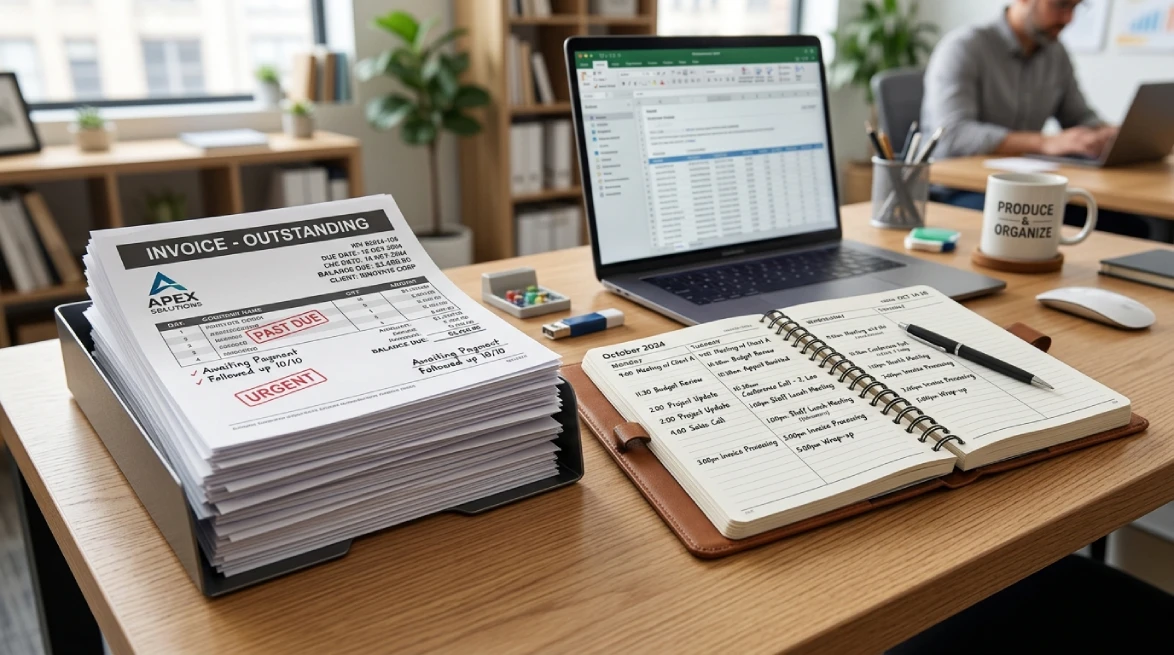
Is your booking calendar always full, but you still struggle to make ends meet? When cash flow is tight, covering everyday expenses becomes a challenge. This is a common reason why a rental business may be losing money, despite being busy.
Why Cash Flow Problems Happen in Rental Businesses
Dealing with cash flow problems in your rental business? It's usually not because of a lack of work. Often, it's about the timing of money coming in and going out.
You might be spending on fuel, labor, and repairs long before customer payments arrive. This gap can make it tough to manage day-to-day costs, even when sales are strong.
Inconsistent billing processes can also slow you down. If invoices are late or have errors, payments get delayed and add to your financial stress.
Also, when you collect little money upfront, you're taking on most of the risk.
Unexpected cancellations or payment disputes can hit your cash reserves hard. By improving your payment timing, invoicing, and upfront collections, you can build a more stable business.
Warning Signs of Rental Business Cash Flow Problems
If your rental business is constantly booked but you still feel the financial squeeze, you might be facing cash flow issues. It's a common problem where, despite healthy sales on paper, your money is tied up in unpaid invoices.
If you struggle to pay for things like payroll, fuel, or maintenance, it might not be a sales issue. The problem is often that the money you've earned isn't in your bank account yet. This can lead to late payments to your suppliers, which may damage your business relationships and affect service quality.
Recognizing these signs is the first step to fixing your rental business's cash flow problems before they get bigger. Paying attention to your billing and collection processes can restore your financial confidence.
How to Improve Rental Business Cash Flow
So, how to improve your rental business's cash flow? It's not just about making more sales; it's about getting paid faster. Small changes to your payment process can make a big difference.
Start by collecting deposits upfront. This gives you immediate cash, covers initial costs, and secures a stronger commitment from customers.
For larger rentals, consider taking partial payments before delivery. This helps you recover expenses early and reduces the risk of non-payment later on.
To tie it all together, automate your billing. Modern rental management software often includes features for automated invoices and reminders, which ensures you get paid on time without constant follow-up.
By implementing these simple steps, you'll create a healthier cash flow, reduce financial strain, and free up time to focus on growing your business.
Sign #3: Your Prices Haven’t Changed in Years

If you haven't changed your prices in years, you're likely losing money. As your own costs rise, outdated rates can become your rental business's major profitability issue, silently draining your margins even when you're busy.
Why Outdated Pricing Reduces Profit Margins
Your pricing decisions are a big deal; they decide whether you're actually making a profit or just breaking even.
Think about it: the costs of running your business, like wages, fuel, and maintenance, are always on the rise.
If your prices stay the same, those increases eat directly into your profits. At first, it's just a few dollars here and there, but over hundreds of rentals, it adds up to a major profitability issue.
It’s tempting to just match a competitor’s low rates to win bookings, but this can be a trap.
Every business has different costs. When you set your price rental rates without considering your own expenses, you might end up being busy but broke. To build a sustainable business, you need to price for profit, not just to keep up with others.
Warning Signs Your Pricing Strategy Is Hurting Profitability
Pricing mistakes can secretly hurt your rental business profits, and it can be hard to spot, especially when your business seems to be doing well. Let's look at the signs.
Is your business busy, but your profits aren't growing? This can happen if your prices are too low to cover rising costs. You might make more money, but it's all going to expenses instead of profit.
Do you often lower your prices to compete with other businesses? This can teach customers to expect discounts, which hurts your profits even when you're busy.
Finally, do you charge the same price for all your bookings? Some jobs are more urgent or need special attention. If you use the same price for everything, you're losing money.
If any of this sounds familiar, it’s time to rethink your pricing strategy and ensure your rates reflect your true value
How to Optimize Rental Pricing
Optimizing your rental rates isn't about being the most expensive. The goal is to price your rentals according to expenses, customer value, and demand.
Take a peek at what your local competitors are charging, not to copy them, but to see where you stand. This helps you price your top-notch service and equipment fairly.
A great way to stay competitive and protect your profit is to offer flexible pricing. Demand for rentals often changes with the seasons, right? You'll have busy months and slower periods.
Adjust your rates with the seasons. Offer special deals during quiet times to attract more customers and raise prices when demand is high. This keeps your equipment booked and your business growing all year.
Sign #4: You’re Missing Fees and Additional Charges
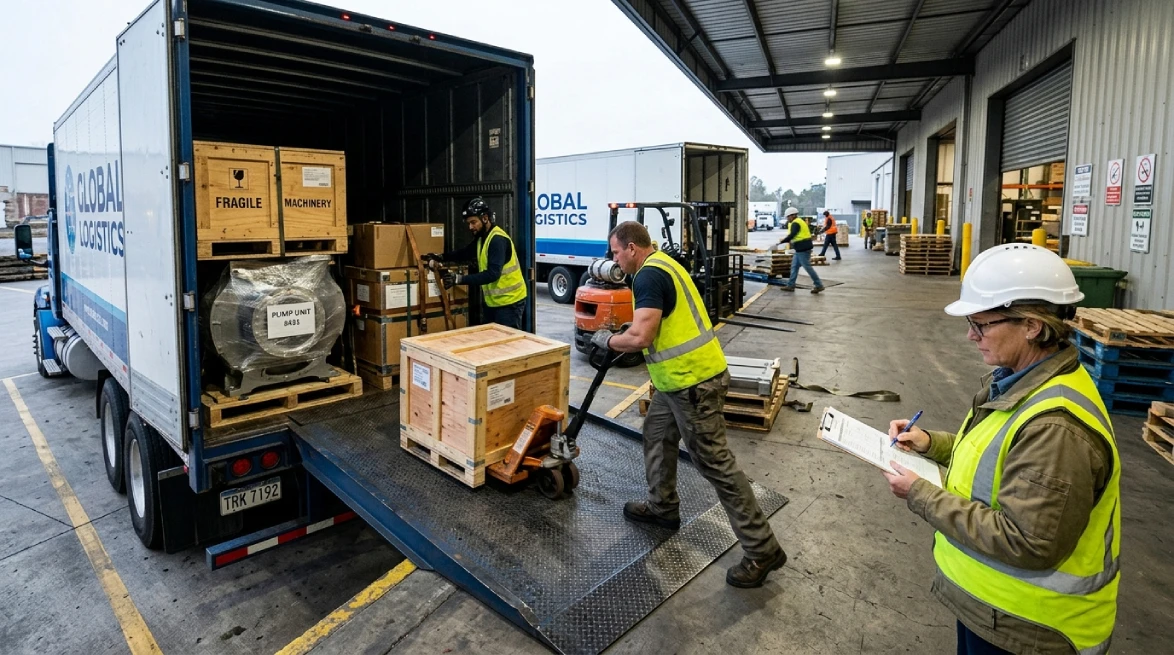
Not all profit leaks are from big decisions. Sometimes, you lose money from small, forgotten charges. These missed fees, like for delivery or setup, often go unnoticed but can add up over time and cause your rental business to lose money.
Common Revenue Opportunities Rental Businesses Miss
Are you missing out on ways to make money in your rental business? Many owners focus on the price of renting equipment but forget to charge for all the other services they provide.
Things like delivery, setup, and takedown involve real labor and costs. When you don't bill for these separately, your profits can shrink without you even realizing it.
The same goes for cleaning and preparing equipment for the next customer. Implementing clear fees for these services ensures you're compensated for your hard work and makes pricing more transparent for everyone.
Protecting your equipment is also important. A liability waiver can protect your business if something gets damaged.
Charging late fees helps make sure your gear is returned on time. By billing for these extra services, you can increase your profits and build a stronger business.
How Missed Fees Impact Profitability
It's easy to miss small billing errors, but they can add up over time. When you're busy, manual invoices might forget things like delivery fees, cleaning charges, or damage waivers.
Individually, these might seem minor. But collectively, they create revenue leakage that silently chips away at your profit margins.
Even more concerning, these losses can stay hidden while profits gradually shrink.
Think about all the work that happens before and after a rental, like deliveries, prep, and inspections. If you don't charge for this labor, your business pays for it. Billing for your team's hard work turns these hidden costs into profit.
How to Capture More Revenue
You don't always need new customers to boost your revenue. Sometimes, it's as simple as making sure you bill for every service accurately and consistently.
Start by creating clear, consistent pricing rules for all your services, like delivery, setup, and damage protection. This ensures you bill accurately every time and don't lose money.
Next, automate your billing. Set up your system to automatically add fees for things like delivery and damage protection. This cuts down on mistakes and missed charges and frees up your staff for more important work.
Finally, offer valuable upsells at checkout. Many customers are happy to pay extra for conveniences like priority delivery or extended rentals.
These add-ons can increase your average order value and help you grow revenue while giving customers a better experience.
Sign #5: Maintenance Costs Keep Surprising You
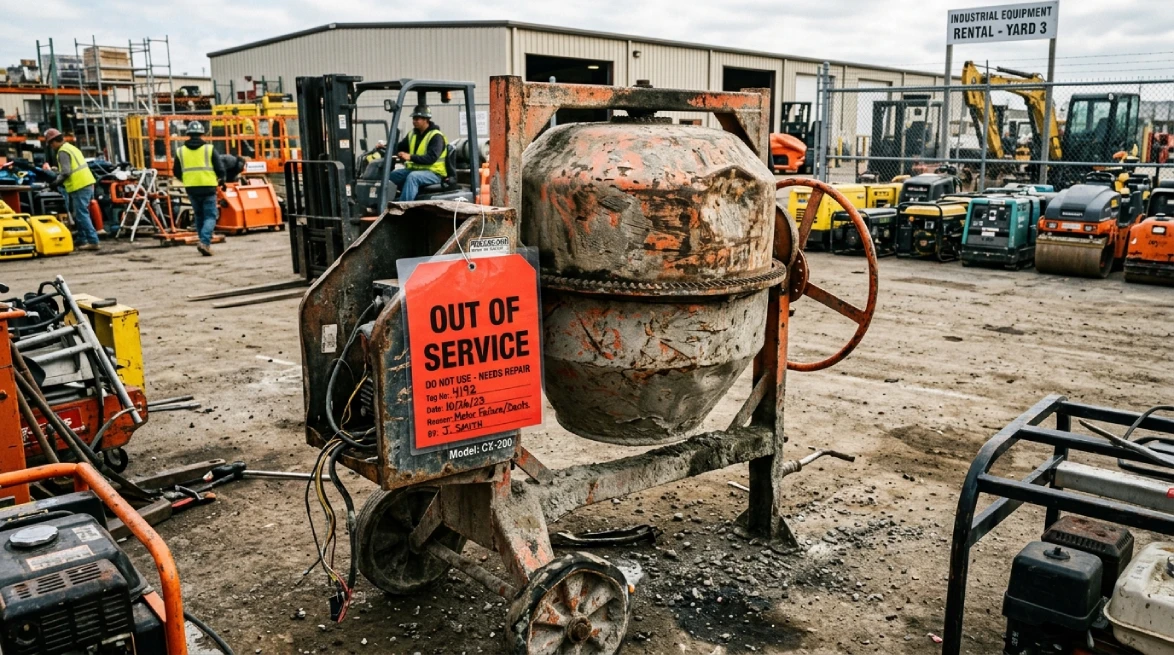
Unexpected repair bills often signal deeper issues that have been growing over time. When your equipment's reliability starts to waver, your profitability can take a hit long before you see the full extent of the problem.
Why Unplanned Repairs Hurt Rental Businesses
When your rental equipment unexpectedly breaks down, it costs you more than just the repair bill.
These breakdowns can disrupt bookings, delay your customers' projects, and take your assets out of action. And when a piece of equipment isn't available, it's not making you money, even though you're still paying for it.
Think about it: emergency repairs are almost always pricier than planned maintenance.
A small problem that could have been fixed during a routine check-up can turn into a big, expensive one. By keeping up with maintenance, you can keep your equipment running and your business profitable.
Rental Businesses Most Affected by Maintenance Issues
Maintenance is a challenge for any rental company, but some face bigger issues than others.
If you rent out equipment like construction tools and generators, you know they go through a lot of wear and tear. If you don't check them regularly, small issues can become big, expensive problems that cost you money.
Similarly, vehicle and RV rental companies deal with complex machinery. From tires to engines, a lot can go wrong. Ignoring small problems can lead to costly repairs and unhappy customers.
Even tent and event rental businesses have to deal with damage from frequent use and bad weather.
Understanding these risks is the first step, but proactive maintenance is what will keep your equipment rental business profitable and running smoothly.
How to Control Maintenance Costs
The good news is that you can control maintenance costs by shifting from a reactive to a proactive approach. This simple change reduces surprises and makes your operating costs more predictable.
One of the most effective ways to do this is by creating a preventive maintenance schedule. Routine inspections, servicing, and cleaning help you spot issues before they cause a breakdown. This means less downtime and more equipment ready for your customers.
To make this even smarter, start tracking your maintenance history. This data shows you which assets need frequent repairs or are out of service too often. Over time, these insights lead to better budgeting and inventory decisions.
Finally, don't be afraid to let go of assets that aren't working for you. If a piece of equipment costs more to maintain than it earns, it might be time to retire or replace it. This frees up resources and improves your profitability.
Sign #6: You Bought Too Much Inventory Too Soon
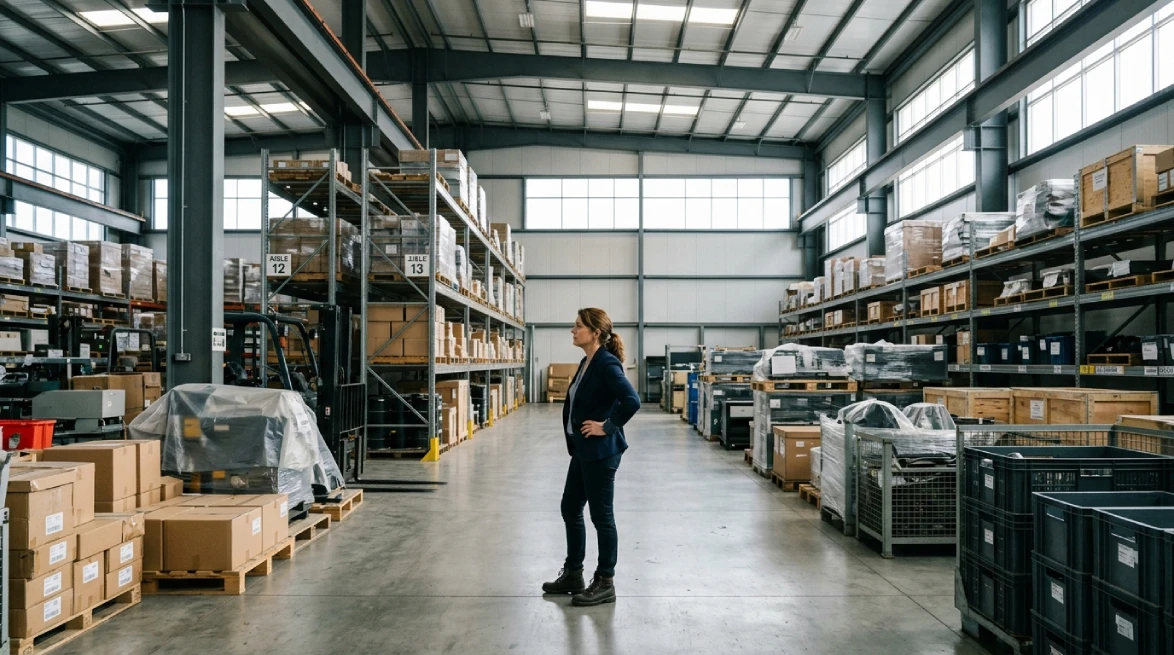
Don't let the thrill of growth lead you to overbuy! Buying too much inventory too soon can be a costly mistake. It can tie up your cash and leave you stuck before you've even confirmed what customers want.
The Risks of Scaling Inventory Too Early
New equipment only makes money when it's rented out. Buying too much too fast can leave you with assets that don't earn much, while costs add up.
Financing new equipment adds fixed monthly costs like loan payments and insurance. This can be tough on your cash flow, especially during slow seasons. When your equipment isn't rented out, it's not making money, which hurts your return on investment and overall financial performance.
Also, more equipment means higher costs for storage, upkeep, and management. If you don't have enough customers renting it, these costs will lower your profits and create financial stress.
Signs You Expanded Too Quickly
Wondering if you've grown too fast? The signs aren't always obvious at first glance.
Your inventory might seem impressive, but a closer look at the numbers will tell you if your growth is truly adding value.
One of the clearest warning signs is having a lot of unused inventory. If your expensive equipment sits idle more than it's rented out, you've got capital tied up that isn't making you money.
This also means a slow return on investment, which you spent on new equipment because you thought more people would rent it.
Finally, look for unbalanced demand. Is most of your inventory collecting dust while customers only rent a few popular items? If your supply doesn't match demand, you're losing money.
How to Scale Inventory More Strategically
Want to scale your inventory strategically and boost your rental return on investment? Let's get it right.
Instead of reacting to short-term demand, grow your inventory with a clear purpose to reduce risk and improve your cash flow.
A great way to do this is by expanding gradually. This allows you to test the waters, check demand, and confirm profitability before making big investments.
To make smarter purchasing decisions, dive into your rental trends. If you're in the party rental business, for example, you can also check Google Trends and other sources to stay on top of current party rental trends.
The data shows you which inventory items are in high demand, so you know where to invest. Focus on your top-performing items, the ones that are always getting booked. Expanding on what's already successful is the easiest way to grow your business.
Sign #7: You Still Run Everything Manually

As a rental business owner, you might have started with spreadsheets, phone calls, and emails. While this works at first, it gets harder to manage as your business grows. This manual process can make it difficult to keep up.
Why Manual Processes Create Operational Problems
As your rental business grows, using manual systems can lead to expensive mistakes. What works for a small inventory can become a problem when you have to manage many rentals, returns, and repairs at the same time.
One of the biggest problems is double booking. When you track availability manually, the information can quickly become outdated. This means you might accidentally rent the same piece of equipment to two different customers, causing scheduling conflicts and unhappy clients.
Manual billing can also cause problems. It's easy to send invoices late or forget charges, which hurts your cash flow.
Plus, keeping inventory records accurate with spreadsheets is nearly impossible. These errors affect everything from availability to customer service. A better system could help solve many of these challenges.
Warning Signs Your Systems Are Slowing Growth
At first, manual processes might just seem like small hassles. But soon, you and your team are drowning in constant administrative tasks: updating spreadsheets, chasing paperwork, and entering data instead of focusing on customers.
Finding accurate inventory information becomes a treasure hunt across multiple files, and you start losing track of what's available.
To top it all off, your customer response times slow down, and you risk losing potential renters to faster competitors.
If these warning signs sound familiar, it's a clear signal that your current systems are holding back your growth.
How Automation Improves Rental Business Profitability
Stop working harder and start working smarter! Let automation handle the manual tasks so you can focus on profitability.
Rental management software helps by putting everything, bookings, inventory, customer details, and billing, all on one platform. Instead of using different spreadsheets and emails, your team can find all the information they need in one place.
Automating tasks like online bookings and invoicing cuts down on repetitive admin work and handles double bookings smoothly. It also sends out automatic reminders, which means fewer missed payments and late bills.
With a clear, real-time view of your equipment and payments, you can make quicker decisions, offer better customer service, and run a more profitable rental business.
Is Your Rental Business Losing Money? (Quick Self-Assessment)

Before you make any big moves, it's smart to check for patterns that could be hurting your profits. Use this quick checklist to find common problems that might be shrinking your earnings and stunting your growth without you even noticing.
- Inventory sits idle often
- Cash flow feels inconsistent
- Prices haven’t changed in years
- Missing delivery/setup fees
- Repairs feel unpredictable
- Too much unused inventory
- Still using spreadsheets
If you checked three or more boxes, profitability may be at risk.
That doesn't mean your business is failing. It just means some of your processes, pricing, or operational habits need a second look. The sooner you find these issues, the easier it is to improve cash flow, work more efficiently, and protect your profits for the long run.
What Successful Rental Businesses Do Differently

So what sets successful rental businesses apart? It's not just about getting more bookings; it's about making each one more profitable.
They achieve this by optimizing their inventory, refining pricing, and automating workflows to cut down on manual effort. By closely tracking revenue and payments, they maintain a healthy cash flow and can scale smoothly.
This is where modern rental software comes in. A platform like RentMy helps you manage inventory, automate invoicing, optimize pricing, and even create SEO-friendly product listings with AI.
The result? A more efficient business with better profit margins, giving you more time to focus on growth.
Stop Losing Money in Your Rental Business
That’s a wrap on the common reasons behind a rental business losing money. We’ve looked at idle inventory, cash flow issues, outdated pricing, missed fees, high maintenance costs, and inefficient manual work.
Now for the good news: you can fix these issues and turn things around. Profitability doesn't come from one big change. It comes from the small, smart choices you make every day. Simple things like updating your prices, improving your payment process, or tracking inventory better can make a big difference over time.
Now it's your turn. Pick one area from this guide and start making changes. Small, consistent improvements will boost your profits and efficiency, helping you build a rental business you can control with confidence.
FAQs
How Can You Tell if Your Rental Business Is Profitable?
Your rental business is profitable when revenue covers all operating expenses and still leaves money for growth. Positive cash flow, healthy profit margins, and strong inventory utilization are good indicators. Regularly tracking rental frequency, maintenance costs, and revenue helps determine whether your business is generating consistent profits.
What Is the Biggest Cause of Lost Profit in Rental Businesses?
One of the most common causes of lost profit is underutilized inventory. Equipment that sits idle still incurs costs for storage, maintenance, insurance, and depreciation without generating income. Improving utilization rates often delivers a greater financial impact than simply purchasing additional inventory.
How Can Rental Software Improve Profitability?
Rental software helps streamline operations by automating inventory tracking, invoicing, scheduling, and payment management. This reduces manual errors and administrative workload. Better visibility into asset performance and business metrics can improve efficiency, increase utilization, and support stronger profit margins.
How Often Should Rental Businesses Review Pricing?
Rental businesses should review pricing regularly as operating costs, customer demand, and market conditions change over time. Waiting too long to adjust rates can reduce profitability. Evaluating pricing several times a year helps maintain competitiveness while ensuring costs are covered and margins remain healthy.
What Metrics Should Rental Businesses Track?
Key metrics include inventory utilization rates, revenue per asset, profit margins, maintenance expenses, and cash flow. Monitoring these numbers provides a clearer picture of business performance and helps identify pricing, inventory, or operational issues before they have a significant impact on profitability.