

Explore the Content
- What Is a Good Profit Margin for a Rental Business?
- Rental Business Profit Margin Comparison Table
- Dumpster Rental Business Profit Margins
- Portable Toilet & Porta Potty Rental Business Profit Margins
- Party Rental Business Profit Margins
- Tent Rental Business Profit Margins
- Bounce House Rental Business Profit Margins
- Car Rental Business Profit Margins
- Equipment Rental Business Profit Margins
- Vacation Rental Cleaning Business Profit Margins
- Why Some Rental Businesses Have Low Margins
- What Impacts Rental Business Profit Margins?
- Why Modern Rental Businesses Are More Profitable
- Most Profitable Rental Businesses in 2026
- Conclusion
- FAQs
Wondering which rental industries deliver strong returns? Curious why some operators maintain healthy rental business profit margins while others don't? Are you looking for practical ways to improve how you use your equipment, your pricing, and your overall efficiency, without spending a lot more on inventory?
The rental sector is booming. Construction equipment rentals already crossed $213.68 billion in 2025, with aggressive growth expected through 2033. Bounce house rentals are also growing, with the market projected to exceed $6.43 billion in the coming years.
This growth means opportunity, but your profits depend on your execution. In this guide, we'll cover benchmarks, pricing, and how modern rental companies maximize revenue from their existing inventory. Let's dive in.
What Is a Good Profit Margin for a Rental Business?

A healthy profit margin for a rental business is usually 40–80% gross profit and 10–45% net profit. However, profitability varies significantly depending on factors like equipment cost, maintenance, utilization rate, delivery logistics, seasonality, and pricing strategy.
Profitability is about more than just owning inventory. Successful businesses use technology to optimize scheduling, pricing, and utilization. This maximizes bookings and minimizes costs, leading to stronger, more stable returns year-round.
How These Rental Business Profit Margin Benchmarks Were Calculated
To create this guide's profit margin benchmarks, we focused on realistic, practical numbers, not inflated "best-case" scenarios. We wanted to give you useful figures, so we dove deep into the data.
We looked at public industry reports, market forecasts for 2026, and operational data from small and mid-sized rental businesses. This helped us create practical benchmark ranges, whether you're renting bounce houses or heavy equipment.
Remember, your rental business's profit margins are unique. They are shaped by your specific industry, location, and how efficiently you operate. Our goal is to provide a clear, grounded guide to help you see where you stand and find opportunities to grow.
Please note that all figures and benchmarks in this guide are estimated averages based on available industry data and market trends. Actual results can vary significantly by region, business model, fleet size, and operating conditions. Always review your own financial data and consult qualified professionals when making business or financial decisions.
Rental Business Profit Margin Comparison Table
Different rental business ideas generate different levels of profit. Some industries benefit from lower overhead and loyal repeat clients, while others face heavier operating costs. The table below shows estimated profit margins for different rental categories in 2026 to help you see how they compare.
| Rental Industry | Estimated Gross Margin | Estimated Net Margin | Profitability Tier | Common Cost Drivers |
|---|---|---|---|---|
| Dumpster Rental | 40%–60% | 15%–25% | High | Disposal fees, fuel, truck maintenance, driver labor |
| Portable Toilet Rental | 60%–80% | 15%–25% | High | Route servicing, fuel, sanitation supplies, disposal costs |
| Party Rental | 45%–65% | 10%–20% | Medium-High | Delivery labor, cleaning, storage, inventory maintenance |
| Tent Rental | 40%–60% | 15%–30% | High | Installation labor, transport, warehouse storage, cleaning |
| Bounce House Rental | 55%–75% | 25%–40% | Very High | Setup labor, transportation, insurance, equipment cleaning |
| Car Rental | 35%–60% | 8%–20% | Medium | Fleet depreciation, financing, insurance, maintenance |
| Equipment Rental | 35%–55% | 10%–20% | Medium-High | Equipment servicing, transportation, repairs, financing |
| Vacation Rental Cleaning | 40%–65% | 15%–30% | Medium-High | Cleaning labor, supplies, travel time, scheduling |
Disclaimer: Please consider these numbers as industry averages, not guarantees. Your actual profit margins can vary based on location, pricing, competition, and efficiency. Always check your own financial data and consult a professional before making business or investment decisions.
Dumpster Rental Business Profit Margins
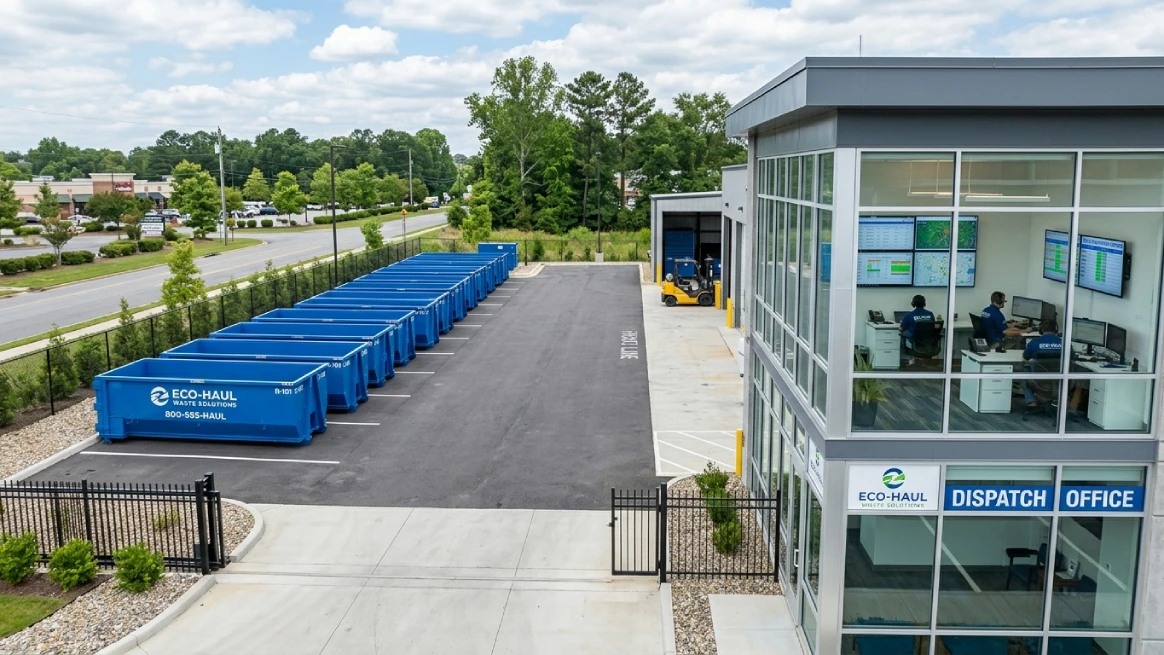
Starting a dumpster rental business can be a stable venture, but success depends on smart planning. Your main costs will be transportation and disposal, but managing them well can lead to great returns.
Dumpster rental business profit margins can vary. While gross profit margins often range from 40% to 60%, final net profits usually fall between 15% and 25% after operating expenses are deducted.
High rental prices aren't the only factor behind success here. It's just as important to maximize the use of your trucks and containers.
To boost your profit margins in the dumpster rental business, focus on route optimization. Using software to create denser routes saves time and fuel.
Also, consider upsells like extended rentals or special services to increase your revenue per trip. Remember, the more your dumpsters are out working instead of sitting idle, the healthier your profits will be.
Operational efficiency is essential to understanding and improving the profit margins for a dumpster rental business.
Portable Toilet & Porta Potty Rental Business Profit Margins

Starting a portable toilet rental business could be a great idea. There's always a need for them at places like construction sites and festivals. Regular contracts can provide consistent monthly income for the business.
So, what about the money? Portable toilet rental business profit margins are often better than you might think. After the initial cost of a unit, it generates recurring revenue. Gross margins can range from 60% to 80%, with many operators seeing net margins of 15% to 25%.
Efficient route management is key to achieving the healthy profit margins a portable toilet rental business needs. Servicing multiple units in a small area cuts down on fuel and labor costs.
To maximize your earnings, balance long-term construction contracts with high-paying seasonal events. Focusing on dense service routes and smart scheduling will help you build a successful business. The best porta potty rental business profit margins come from mixing these strategies.
Party Rental Business Profit Margins

Thinking about launching a party rental company? This industry has great potential because you can rent the same inventory for weddings, graduations, and parties.
Speaking of party rental business’s profit margins, its gross margin can typically hover around 45%–65%, with a net margin of 10%–20%.
However, you can boost your revenue by mastering weekend bookings, carefully maintaining your inventory, and offering strategic bundles. You can also offer upsells like chairs, tables, lighting, and decor.
Seasonality plays a big role, with spring and summer being your busiest times. Your biggest expenses will likely be delivery and setup labor, so efficient scheduling is how you manage it.
The real beauty of this business is how your inventory keeps earning for you long after you've covered the initial cost.
To maximize profits, focus on keeping your items rented out, especially on weekends, and increasing the value of each order with premium add-ons like special lighting or dance floors. It's all about working smarter, not just having the biggest warehouse.
Tent Rental Business Profit Margins

Thinking about starting a tent rental business? Your tent rental business profit margins could look promising, with gross margins around 40%–60% and net margins around 15%–30%. This is because customers rarely rent just a tent.
They often need flooring, lighting, and furniture, which means bigger invoices and more revenue for you. However, actual profitability depends on factors like labor, storage, competition, and operational efficiency.
To boost your profits, bundle these items into attractive packages. Most bookings arrive during spring and summer weddings, so it’s important to prepare ahead of time.
Keep in mind that labor is a major cost. Tricky setups on uneven ground or in bad weather can increase hours, so be sure to charge for complex jobs.
Efficiently managing your crew and transportation is a way to stay profitable, especially during peak season.
Using tent rental software can help you simplify scheduling and track your inventory, making sure your equipment is always earning you money. By managing these areas well, you can build a successful and scalable business.
Bounce House Rental Business Profit Margins

Interested in launching a bounce house rental business? It's a popular choice for entrepreneurs due to its low startup costs and high demand, especially on weekends.
If you keep your bounce houses booked consistently, you can build a profitable business without spending too much.
The bounce house rental business profit margins are often considered one of the highest-margin segments in the rental world. Gross margins could be between 55% and 75%, with net margins for well-run businesses potentially landing around 25% to 40%.
The secret to maintaining these attractive margins is the reusable nature of your inventory; a single bounce house can be rented out hundreds of times. However, be mindful of challenges like scheduling gaps, weather disruptions, and insurance costs, as these can impact your profitability.
To succeed, you'll need smart scheduling, proper maintenance, and a strong focus on safety. Bounce house rental software can manage these tasks, handling everything from online bookings and scheduling to inventory management, ensuring you maximize the value of every single asset.
Car Rental Business Profit Margins

Starting a car rental business is different from other businesses. It's not just about having a lot of cars. Your vehicles lose value over time, but you still have to pay for insurance, financing, and maintenance.
The best way to success is managing your cars smartly and keeping them rented out as much as possible.
The car rental business profit margins can seem tight. You might see gross margins between 35% and 60%, but after all costs, your net margins often land between 8% and 20%.
The biggest challenge? Idle cars still have expenses like insurance and depreciation, which can quickly eat into your profits.
To stay ahead, you need to manage your fleet efficiently. This means optimizing bookings, managing maintenance without long downtimes, and knowing when to sell vehicles.
Equipment Rental Business Profit Margins

Thinking about starting an equipment rental business? Profitability can vary because the industry covers everything from small tools to large machinery.
Your success doesn't just depend on how much equipment you have but on how often it's rented out. Idle equipment still costs you money, so keeping it in use is key.
Gross profits in equipment rentals are often strong, but net margins generally settle between 10% and 20% after expenses. Smaller tools can turn over faster with lower transport costs, while heavy machinery brings in more revenue per contract but has higher expenses.
To stay profitable, you'll want to focus on regular maintenance to avoid costly downtime.
Many operators also use equipment rental software to manage tasks like inventory tracking, maintenance, dispatch, invoicing, and online bookings. This helps them run their growing businesses more efficiently.
Smart logistics and expanding based on actual demand will help protect your margins. This approach allows you to handle the challenges within the construction equipment rental cluster and build a healthy, sustainable business.
Vacation Rental Cleaning Business Profit Margins

Starting a vacation rental cleaning business is a fantastic opportunity, but your success depends on managing your team and time effectively.
The vacation rental cleaning business profit margins can be quite rewarding. Gross margins commonly range from 40% to 65%, while net margins often land between 15% and 30%.
However, these numbers can shrink quickly if you don't manage your operations well. Labor is your biggest expense, so efficiency is everything.
To boost your profits, you can focus on quick turnarounds. Using standardized checklists and smart scheduling cuts down on travel time, which means your crew spends more time cleaning and less time on the road.
Building strong relationships with property managers for recurring jobs is also a huge plus. By creating efficient systems, you'll ensure your business is not just running, but thriving.
Why Some Rental Businesses Have Low Margins

Even when a rental business seems busy, it may not be profitable.
The issue often isn't a lack of customers, but rather small operational challenges that add up. High delivery costs, idle inventory, and unexpected maintenance can reduce your profits.
One major culprit is underpricing. To compete, you might lower your rates without considering all the hidden costs, like fuel, insurance, and repairs. This means you could be losing money on every booking, even with a full schedule.
Another issue is poor utilization; your equipment still costs you money even when it's just sitting in the warehouse.
Manual processes can also be a drain, leading to costly errors like double bookings or missed invoices.
These mistakes not only increase your admin work but can also hurt your rental business profit and customer satisfaction.
By tightening up these areas, you can turn a busy business into a profitable one.
What Impacts Rental Business Profit Margins?
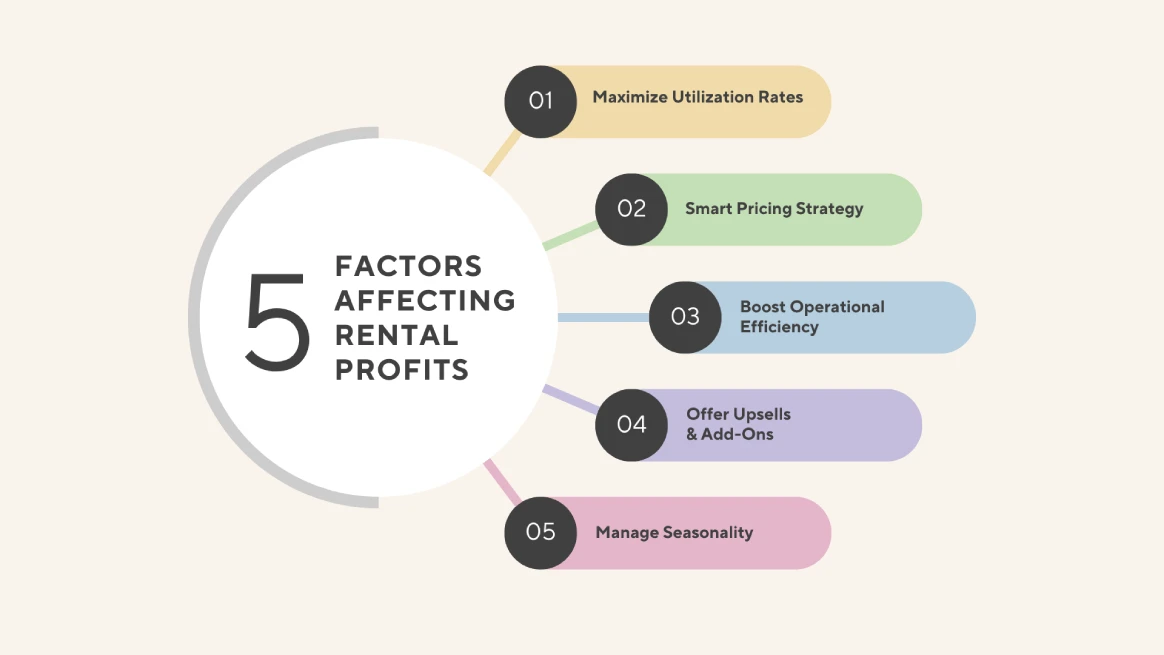
Your rental business's profit margins are shaped by how you run your company and what your customers want. Understanding these factors can help you make the most money.
1. Utilization Rate
Running a successful rental business is all about balance. You need enough inventory to meet demand, but what happens when your items are just sitting in the warehouse?
Every day your assets go unrented, they're costing you money in storage, insurance, and maintenance without bringing in any income. These issues may reduce overall profit while tying up business funds.
The goal is to keep your inventory in constant rotation. By maximizing how often each item is booked, you'll find that your assets pay for themselves much faster. A higher utilization rate means healthier profits, all without having to raise your prices.
2. Pricing Strategy
Setting the right rental price can be tricky, but do not rely entirely on competitor rates! That could be a quick way to lose your profits. Instead, let's get smart with your pricing. Have a deep understanding of market value and variable overhead costs.
A dynamic pricing strategy lets you adjust your rates based on seasonal demand.
Think about it: you can offer special rates during the off-season and introduce premium pricing during peak times. This flexibility helps you maximize revenue when your items are in high demand.
Finally, make sure you're not underpricing. It’s necessary to consider all your hidden costs like delivery, labor, and maintenance.
Profitable growth isn't just about high booking numbers; it's about setting a rate that keeps your customers happy while covering all your expenses.
3. Operational Efficiency
Growing your rental business means keeping your operations running smoothly.
As you get more customers, manual tasks can slow you down, create delays, and lead to costly errors that reduce your net income. Think of all the time spent on booking entries, invoicing, and paperwork!
By automating these routine jobs with rental software, you can free up your team to handle more orders without increasing your staff. This not only makes your daily logistics more efficient but also modernizes your entire workflow.
Optimizing your operations like inspections, cleaning, and dispatch means your inventory is always ready to go. This boosts your operational efficiency and turns everyday tasks into profit drivers.
4. Upsells & Add-On Revenue
Want to make more money than just the rental fee? Upsells and add-ons can increase how much you make from each customer without you needing to find new ones.
Instead of paying for delivery yourself, charge a delivery fee. This will cover the cost of gas, vehicle maintenance, and your driver's time. This is a great way to protect your profit margins, especially for smaller orders or deliveries that are far away.
Next, charge for on-site installation. This add-on pays your team for their setup time and turns a simple drop-off into a full-service experience.
Finally, offer damage and liability waivers. This gives your customers assurance while creating another revenue stream for your business. It also protects your inventory from unexpected repair costs.
By using these add-ons, you can turn a standard delivery into a more profitable one.
5. Seasonality
Running a rental business means dealing with busy and slow seasons. How you handle these ups and downs can determine your year-end profits. Taking time to plan ahead can save both money and stress.
During your busy season, consider raising your rates slightly. This helps build a cash reserve to carry you through the quieter months. When things slow down, you can offer special off-season bundles to keep your inventory earning for you.
Don't forget about smart inventory planning. Analyze past booking data to anticipate demand. This prevents having too much idle equipment in the slow season or not enough during peak times, protecting your profits year-round.
Why Modern Rental Businesses Are More Profitable

The rental world is changing, and the most profitable businesses are those running lean, automated operations. So, how are they doing it?
Today, many operators are replacing spreadsheets and manual booking systems with platforms like RentMy to enhance inventory usage, decrease downtime, and simplify their daily processes. This allows you to increase bookings while avoiding unnecessary inventory purchases.
You can also get new products online faster with AI-powered setup tools.
Plus, with automated pricing workflows, you can set smart rules that adjust rates based on demand, seasons, or delivery areas, protecting your profits year-round. Online bookings and digital payments also save you time, letting customers reserve items anytime without constant staff help.
Ultimately, these rental features contribute to better operational efficiency. The most profitable rental businesses don't just own more inventory; they use technology, automation, and smarter systems to keep that inventory moving and making money.
Most Profitable Rental Businesses in 2026

Thinking about starting a rental business? Let's break down which niches could be most profitable for you!
If you're looking for high returns, bounce house rentals could be a great option, with potential net margins of 25% to 40%. Just be sure to manage your setup and cleaning costs to maximize your earnings.
For something more consistent, portable toilet rentals can offer impressive gross margins of 60% to 80%, though servicing can reduce your net profit to 15% to 25%. Similarly, dumpster rentals can be profitable, but watch out for those heavy disposal fees.
Prefer working with other businesses? Equipment rentals might be your calling, with net margins around 10% to 20% after maintenance costs. Or, you could jump into the event scene with a tent rental business, which can achieve net margins of 15% to 30%.
Using dedicated rental software can help you efficiently track your assets and protect those profits.
Conclusion
We explored rental business profit margins across a range of rental industries and the essential factors that contribute to profitability. Also, we looked at everything from pricing strategies to seasonal demand and how they affect your bottom line.
Top rental businesses now focus on efficiency. They use smart software to improve pricing, automate tasks, reduce downtime, and simplify bookings. Efficiency is now a major driver of profit in the rental market, not just owning inventory.
No matter your rental niche, idle inventory and inefficient systems will drain your profits. Businesses that move faster, automate tasks, and maximize utilization build healthier margins and achieve more predictable growth year after year.
FAQs
What Is the 2% Rule for Rental Property?
The 2% rule is a simple way to screen rental properties. It suggests a property could be a good investment if the monthly rent is at least 2% of the purchase price. However, it's just a guideline, not a guarantee of profit.
What Is a Good Profit Margin for a Rental?
A good rental profit margin varies by property and location. A net margin of 10% to 20% is often considered healthy. However, cash flow is more important than a single margin number, as costs like mortgages and maintenance can quickly change your profit.
Is 30% Profit Margin Too High?
A 30% profit margin isn't necessarily too high. For small or efficient rentals, it's possible with low costs and strong pricing. However, make sure to distinguish between gross and net margin, as they tell very different stories about your actual profit.
How Many Rental Properties to Make $5,000 a Month?
To earn $5,000 monthly, the number of properties needed depends on each one's net income. If one property nets $1,000/month, you need five. If it only nets $500/month, you need ten. This varies based on rent, expenses, and vacancies.
Which Rental Business Has the Lowest Startup Cost?
Small-scale bounce house rentals, party rentals, and vacation rental cleaning businesses usually require lower startup investment than car rental or heavy equipment rental companies. Many operators begin with a limited inventory and expand gradually based on demand and booking frequency.