

Explore the Content
- What Is a Party Rental Agreement?
- Key Clauses Every Party Rental Agreement Must Include
- How to Write a Bulletproof Party Rental Agreement
- Who's Renting and Who's Providing? (Identifying the Parties)
- What's Being Rented? (Inventory Overview)
- When Is It Happening? (Rental Dates & Duration)
- How Will Payments Work? (Billing & Deposits)
- What's Expected During Use? (Rules for Equipment Use)
- What If Something Goes Wrong? (Damage & Responsibility)
- Can Plans Change? (Changes, Cancellations & Refunds)
- Are There Unseen Risks? (Liability & Insurance Terms)
- What About Unforeseen Events? (Unexpected Situations Clause)
- How Do We Seal the Deal? (Agreement Confirmation)
- Download the Party Rental Agreement Template
- How to Customize the Template for Your Rental Business
- Legal Tips for Party Rental Contracts
- How to Use Contract Sharing & Digital Signatures in RentMy
- Prepare Your Legal Terms
- Connect Contracts to Specific Rental Items
- Capture the First Signature at Checkout
- Let Customers Review Before Signing
- Track Everything from Your Dashboard
- Share Contracts to Multiple Renters
- Collect Renter Details with Each Signature
- Finalize and Store Automatically
- Conclusion
- FAQs
Running a party rental business means making a lot of decisions. What goes into your contract? How do you protect your gear and get paid on time? And where can you find a reliable party rental agreement template that’s built for real events?
We understand the hustle. One confusing clause can lead to lost money, wasted time, and unhappy customers. With the party rental market expected to hit over $32 billion by 2030, staying organized and protected has never been more important.
The good news? You’ve come to the right place. This guide will show you a complete template, explain the must-have clauses, and give you tips for making it your own. Let’s get started.
What Is a Party Rental Agreement?

A party rental agreement is a legally binding contract that outlines the terms and conditions for renting event equipment. This document clarifies expectations for both the rental company and the customer, covering details like costs, rental duration, and liability for damages to ensure a smooth event.
This agreement guides events from birthdays to corporate functions, covering rentals like tables, chairs, tents, decor, and inflatables. It protects the rental company’s assets and clarifies customer responsibilities, helping to prevent and resolve disputes over equipment.
Simplify your event rental operations
Handle agreements, equipment, and bookings from a single platform
- Free 7-day trial
- No credit card required
Key Clauses Every Party Rental Agreement Must Include
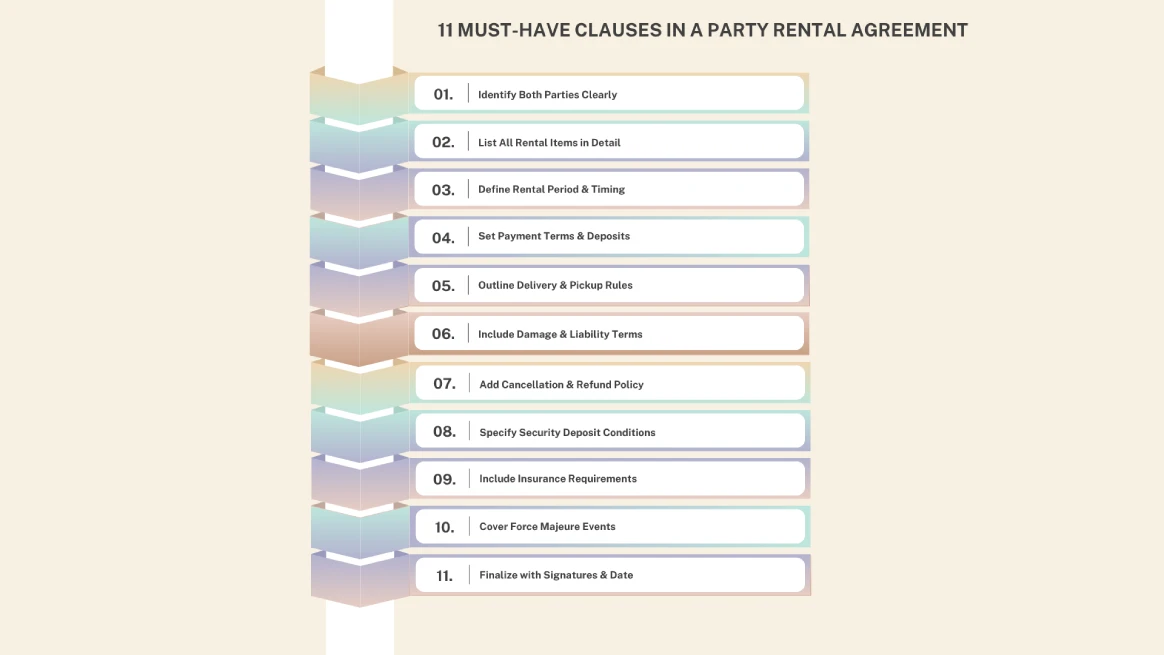
A strong party rental contract is more than a list of items; it’s a clear guide that outlines responsibilities, payments, and timelines before an event.
Most professional agreements follow a similar structure. They start by identifying the provider and the renter, making the event rental agreement legally valid.
Next, a detailed equipment description prevents misunderstandings. The contract also specifies the rental period, payment terms, and any refundable security deposits to ensure transparency.
Furthermore, the agreement clarifies delivery, pickup, and cancellation policies. It includes damage and liability clauses that explain the renter’s responsibility for any significant harm to the equipment.
For larger events, proof of insurance might be required. Finally, once both parties sign the printable party rental contract, it becomes a legally binding document that protects everyone involved.
Key Clauses Every Party Rental Agreement
A well-structured party rental agreement helps make sure everything goes smoothly. The table below explains each important part of the agreement with simple examples so it’s easy to understand.
| Clause | Example | Explanation |
|---|---|---|
| Parties Involved | ABC Rentals (Provider) and John Doe (Renter) | Clearly identifies both legal parties entering the agreement, ensuring accountability and enforceability. |
| Rental Items Description | 10 Folding Chairs, 3 Round Tables, 1 Tent (20×20 ft) | Lists all rented items with quantities and specifications to avoid delivery errors or misunderstandings. |
| Rental Period | Start: March 21, 2026, 9:00 AM End: March 22, 2025, 8:00 PM | Defines the exact timeframe for use, helping prevent late returns or scheduling conflicts. |
| Payment Terms | Total: $450 Deposit: $100 Balance due: 7 days before event | Explains pricing, deposit requirements, and payment deadlines to ensure transparency. |
| Security Deposit | $150–$300 refundable after inspection | Protects the provider against damage or loss while reassuring renters of refund conditions. |
| Delivery & Pickup Policy | Delivery: July 27, 8:00 AM Pickup: July 28, 9:00 PM | Sets clear expectations for logistics, access, and timing responsibilities. |
| Cancellation & Refund Policy | Full refund 14+ days prior; 50% within 7–13 days | Outlines refund eligibility and protects both parties when plans change. |
| Damage & Liability Clauses | Renter responsible beyond normal wear and tear | Assigns financial responsibility for damage, loss, or misuse during the rental period. |
| Insurance Requirements | Proof of $1M liability insurance (for large events) | Reduces risk for high-value rentals or large gatherings. |
| Force Majeure Clause | Covers events like storms, strikes, or restrictions | Protects both sides from liability due to unforeseen disruptions. |
| Signatures and Date | Signed and dated by both parties | Makes the agreement legally binding and confirms mutual consent. |
How to Write a Bulletproof Party Rental Agreement

A well-crafted party rental agreement protects your business and sets clear client expectations. It helps prevent disputes, simplifies operations, and ensures smooth events.
Who’s Renting and Who’s Providing? (Identifying the Parties)
A strong party rental contract starts by clearly identifying everyone involved. This section is essential, as even the best event rental agreement is hard to enforce without clear contact details.
Begin by listing the full legal names, phone numbers, email addresses, and physical locations for both the renter and the rental company.
A good rental contract includes these details to ensure quick communication if any issues arise. When the renter is an organization, list the company’s name and the person in charge.
Also, include the date the agreement is issued to clarify when the party rental terms and conditions take effect.
This clear identification protects both parties. The renter knows who is providing the equipment, and the company knows who is responsible for payment and care. It prevents confusion from the start, ensuring a smooth rental process.
Party Identification Details: Quick Reference Table
| What to Include | Why It Matters |
|---|---|
| Full legal names (individual or business) | Ensures the agreement is legally enforceable and tied to the correct parties. |
| Contact details (phone, email, address) | Allows fast communication before, during, or after the event. |
| Business name and representative | Clarifies who is responsible for managing the booking on behalf of a company. |
| Agreement issue date | Confirms when the contract terms officially begin. |
What’s Being Rented? (Inventory Overview)
After identifying the parties involved, the next step is to detail the equipment being rented.
This section is the core of your party equipment rental contract, as clear inventory details prevent mistakes.
List each item with its quantity and specifications. For instance, a table and chair rental agreement should specify the number, size, and color of tables and chairs.
For valuable items, consider including model numbers. It’s also wise to document the equipment’s starting condition with photos or notes attached to the basic table and chair rental agreement. This helps resolve any damage claims later.
Don’t forget to list accessories like cables, tent stakes, or chair covers. Including every single item in your party rental agreement ensures nothing is forgotten during delivery or pickup.
Rental Inventory Breakdown: At-a-Glance Table
| What to Include | Why It Matters |
|---|---|
| Detailed list of rental items | Prevents confusion about what is included in the rental. |
| Quantity and specifications | Ensures accurate delivery and setup at the event. |
| Condition notes or photos | Helps resolve disputes about damage after return. |
| Accessories (linens, cables, stakes) | Avoids missing components needed for proper use. |
When Is It Happening? (Rental Dates & Duration)
Clear timing is necessary for a seamless rental experience. A solid party rental agreement prevents confusion by clearly defining delivery, setup, and pickup schedules.
This section of your event rental contract should outline the entire rental period. For instance, a party rental contract might state delivery is at 8:00 AM, the event runs through the evening, and pickup is scheduled for the next day.
Including buffer periods for setup and takedown also helps your team work efficiently without rushing.
Your party rental contract must also include an overtime policy. This outlines extra fees if equipment is kept longer than agreed, protecting your inventory for the next customer.
By setting clear timelines in the rental agreement, you ensure everyone is on the same page, leading to a smooth event for your clients.
Rental Schedule & Duration : Table
| What to Include | Why It Matters |
|---|---|
| Start and end date/time | Defines the exact rental window and usage period. |
| Set up and takedown buffers | Allows time for installation and removal without stress. |
| Delivery and pickup windows | Prevents scheduling conflicts with venues or staff. |
| Overtime charges | Avoids disputes if items are returned late. |
How Will Payments Work? (Billing & Deposits)
Money talk is easier when it’s written down. A good party rental contract clearly lists what the renter pays and when, preventing disputes later.
It should start with a full cost breakdown: rental charges, delivery fees, and taxes, adding up to a final total. This section of the event rental agreement should also detail the booking deposit required to reserve items for a specific date.
Next, outline the payment schedule. A rental contract usually states the deposit is due upon signing, with the final balance due before or on the event day. Be sure to list acceptable payment methods like credit cards or bank transfers.
Finally, explain the security deposit. This refundable amount covers potential damages or late returns. When detailed in the rental terms and conditions, this policy protects your business and reassures customers their money is safe if they return items in good condition.
Pricing, Payments & Deposits: Overview Table
| What to Include | Why It Matters |
|---|---|
| Full cost breakdown | Creates transparency and avoids hidden fee disputes. |
| Deposit amount and schedule | Secures bookings and reduces last-minute cancellations. |
| Accepted payment methods | Makes transactions smooth and convenient for customers. |
| Security deposit policy | Covers potential damages while reassuring renters about refunds. |
What’s Expected During Use? (Rules for Equipment Use)
Once the equipment is delivered, clear rules are necessary to protect both the items and the users. This section of your rental agreement explains how renters should handle the equipment.
These guidelines are typically found in the party rental terms and conditions.
Basic instructions might include simple care steps like keeping linens dry or cleaning food spills before pickup. Including these details in a rental contract helps maintain equipment quality.
The agreement should also outline usage limits, such as weight restrictions or weather-related rules for items like inflatables. Clearly stating these limits in the party rental agreement minimizes safety risks.
Finally, a rental contract should specify return expectations, like asking renters to have items clean and ready for inspection. This ensures the equipment lasts longer and prepares it for the next event.
Equipment Usage Rules: Quick Guide Table
| What to Include | Why It Matters |
|---|---|
| Basic usage guidelines | Reduces risk of damage and ensures safe use. |
| Usage restrictions (weather, weight limits) | Prevents misuse that could lead to accidents or losses. |
| Return condition requirements | Ensures items come back clean and ready for the next rental. |
| Care instructions for specific items | Helps maintain quality and extend equipment lifespan. |
What If Something Goes Wrong? (Damage & Responsibility)
Even with careful planning, accidents can happen, a chair gets scratched, a linen is stained, or equipment is returned late. That’s why every party rental contract must clearly outline how damage, loss, or misuse will be handled.
A solid rental agreement will state that the renter is responsible for any items that are damaged, lost, or stolen during the rental period. It should also clarify the difference between normal wear and tear versus negligence.
Including a list of estimated repair or replacement costs in your contract adds transparency and manages expectations from the start.
Finally, your rental agreement should include a clear process for reporting damages, such as requiring immediate notification or photos. This helps you resolve issues quickly, protect your inventory, and prevent small problems from turning into big ones.
Damage & Responsibility Terms: Summary Table
| What to Include | Why It Matters |
|---|---|
| Responsibility for damaged or lost items | Ensures the renter is accountable for equipment during the rental period. |
| Normal wear vs. negligence definition | Prevents disputes over minor scuffs versus serious damage. |
| Repair or replacement cost policy | Clearly explains how costs are calculated and charged. |
| Damage reporting procedure | Encourages quick reporting and proper documentation for faster resolution. |
Can Plans Change? (Changes, Cancellations & Refunds)
Event planning can be unpredictable, with guest counts changing and other surprises. A good party rental agreement should have clear policies for changes and cancellations.
Most rental terms and conditions will detail cancellation deadlines and explain how refunds are handled. For instance, you might get a full refund for early cancellations, but only a partial refund closer to the event date. This approach is fair to both the business and the customer.
A flexible contract often includes rescheduling options. If you give enough notice, you may be able to move your event to another available date, though pricing might change if different items are needed.
The event rental agreement will also cover late cancellations or no-shows, protecting the business from lost revenue. To avoid confusion, your rental contract should specify that all changes must be submitted in writing.
Cancellations & Changes: Policy Snapshot Table
| What to Include | Why It Matters |
|---|---|
| Cancellation deadlines and refund structure | Balances customer flexibility with business protection. |
| Rescheduling terms and conditions | Allows smoother adjustments without losing bookings. |
| No-show or late cancellation policy | Compensates for blocked inventory and lost opportunities. |
| Change request method (email or portal) | Keeps all modifications documented and traceable. |
Are There Unseen Risks? (Liability & Insurance Terms)
Large gatherings come with risks, so strong liability and insurance clauses are necessary in any professional party rental contract.
A typical event rental contract includes a liability disclaimer, stating the provider isn’t responsible for accidents or damages during the rental period.
For bigger rentals like tents or inflatables, the contract might ask for proof of event liability insurance. This detail about insurance for the rental business often means showing a certificate of insurance, sometimes for up to $1 million.
For smaller events, a rental contract might offer an optional waiver. Signing this confirms you accept minor risks. This detail in a party rental agreement simplifies small bookings while still protecting the rental company from liability.
Liability & Insurance Terms: Key Points Table
| What to Include | Why It Matters |
|---|---|
| Liability disclaimer | Protects the business from claims related to injuries or misuse. |
| Insurance coverage requirements | Ensures financial protection for high-risk setups or large events. |
| Proof of insurance requirement | Confirms the renter meets coverage standards before the event. |
| Optional waiver for small events | Offers flexibility for low-risk bookings without complex insurance. |
What About Unforeseen Events? (Unexpected Situations Clause)
Sometimes, things happen that are out of anyone’s control, like severe weather, government orders, or other emergencies. A good party rental agreement plans for this with an “unexpected events” clause.
This section, often called a force majeure clause, clarifies that neither you nor the rental company is at fault if the event can’t go ahead due to situations like storms or public health restrictions.
It should clearly outline the policies for these scenarios, including how refunds, credits, or rescheduling will be handled. For outdoor events, a weather policy is necessary, explaining what happens in case of heavy rain or high winds.
Many contracts also offer flexibility, allowing you to reschedule your event for a future date, as long as the equipment is available. This ensures everyone is protected when the unexpected occurs.
Unexpected Events Coverage: Quick Reference Table
| What to Include | Why It Matters |
|---|---|
| Force majeure clause (natural disasters, strikes) | Protects both parties from liability due to uncontrollable events. |
| Public health or emergency policy | Adds clarity for situations like restrictions or shutdowns. |
| Weather-related cancellation terms | Crucial for outdoor rentals affected by unsafe conditions. |
| Alternative event date option | Allows rescheduling instead of full cancellation when possible. |
How Do We Seal the Deal? (Agreement Confirmation)
Once all terms are agreed upon, the contract needs to be confirmed to become legally binding. Typically, this is completed by signing.
Your party rental contract should have signature lines for both you and the renter. When both parties sign and date the document, it confirms that everyone agrees to the terms and responsibilities listed.
The date is important as it marks the official start of the agreement and serves as a reference for payment deadlines or cancellation policies. You might also ask renters to initial key sections, like payment or liability terms, to confirm they’ve read and understood them.
Many businesses now use digital contracts, allowing customers to sign electronically. This speeds up the process, reduces paperwork, and keeps all your agreements securely stored online.
Final Agreement Approval Signature Checklist Table
| What to Include | Why It Matters |
|---|---|
| Signature lines for both parties | Legally binds the agreement and confirms acceptance. |
| Date of signing | Establishes when the contract becomes active. |
| Initials for key clauses | Confirms important terms were reviewed and acknowledged. |
| Digital signature option | Speeds up the process and supports modern online bookings. |
Download the Party Rental Agreement Template
At RentMy, we believe creating a clear and legally compliant party rental agreement shouldn’t be difficult. That’s why we offer a free, professionally designed party rental agreement template to simplify your process. It comes in both PDF and editable Word versions.
Disclaimer : This template for a basic party rental agreement is offered for informational use only and is not legal advice. You may need to modify it to meet your local or state rental regulations. We recommend consulting with a qualified legal expert before entering into any rental contract.
How to Customize the Template for Your Rental Business
Once you download the template, you can customize it for your rental business with a few quick edits.
Start by adding your company name, logo, and contact details to the top. This simple change makes the generic template a professional, branded document that customers will recognize.
Next, update the equipment section to list your specific inventory, whether it’s tables, chairs, tents, or inflatables. Be sure to include details like sizes and specifications.
Then, adjust the pricing and payment terms to match your policies. Edit the deposit amount, delivery fees, and cancellation rules. You can also add other charges like cleaning or overtime fees.
Finally, update the legal section to reflect your local laws and currency. With these changes, your template will be a personalized contract ready for your business.
Legal Tips for Party Rental Contracts
When running your party rental business, a solid contract is your best friend. But before you rely on any agreement, it’s helpful to understand a few legal basics, as small details can make a big difference if disagreements come up.
A signed party rental agreement is a legally binding contract as long as it includes an offer, acceptance, payment, and clear intent from both you and the client. To protect your business, always have customers sign the agreement before any equipment leaves your warehouse. This helps avoid last-minute disputes.
It’s also standard practice to collect a deposit of 25-50% upon signing the contract to secure the booking.
Just remember, contract laws can vary by location, and they can affect your rental agreements and business operations. Different states and cities have their own rules about contracts, liability, and consumer protection.
Disclaimer : This information is for general and educational purposes only. It is not a substitute for professional legal advice. Please consult a legal professional who understands your local regulations to make sure you’re fully covered.
Create smarter party rental agreements
Auto-fill data, collect eSignatures, and track every item tied to each contract
- Free 7-day trial
- No credit card required
How to Use Contract Sharing & Digital Signatures in RentMy
Handling signatures for party rentals doesn’t have to feel messy or time-consuming. With RentMy, you can collect digital signatures from every guest tied to a booking, not just the person making the payment.
Here’s how to set everything up smoothly, from adding your legal terms to collecting signed contracts without chasing people down.
Prepare Your Legal Terms
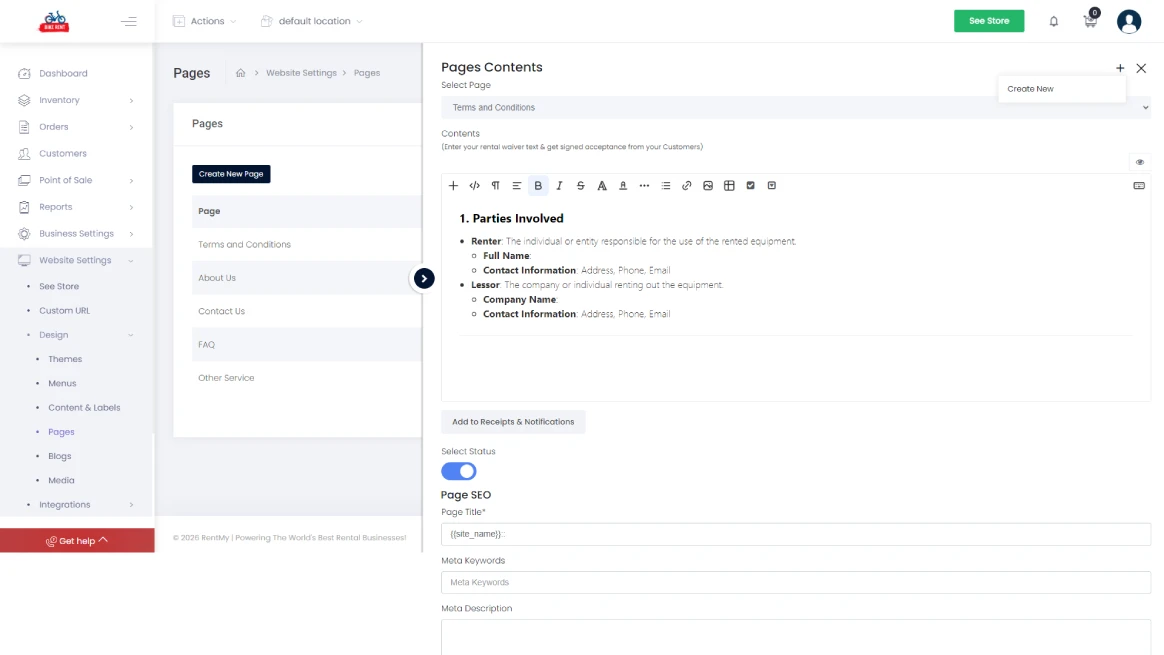
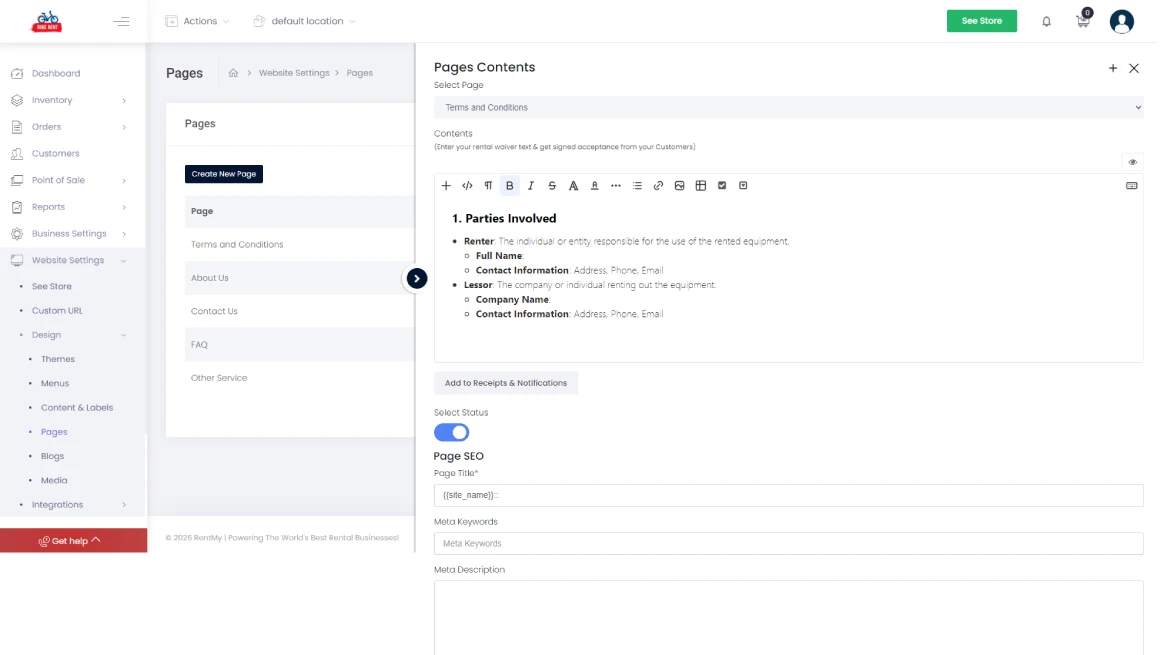
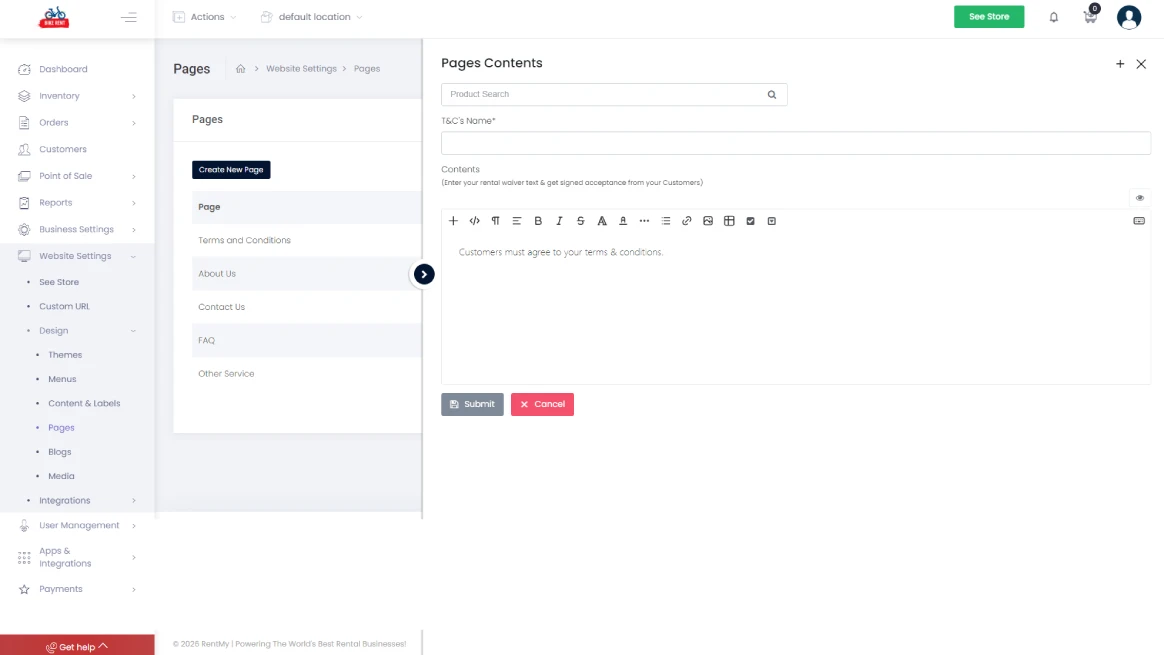
Before collecting any signatures, you need to add your contract or rental terms into the system. Head over to your dashboard settings and open the section where your website pages are managed.
From there, edit your Terms and Conditions page and paste your full legal agreement. This is the exact text customers will review and sign before completing a booking, so make sure it’s clear, updated, and tailored to your rental policies.
Connect Contracts to Specific Rental Items
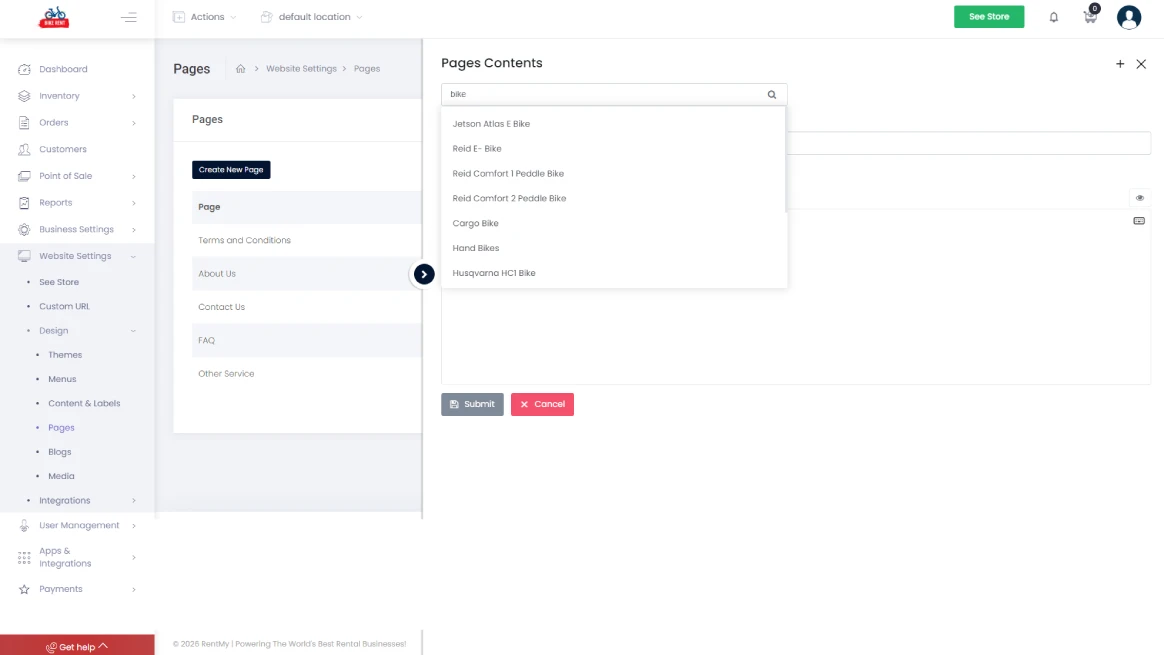
Not every product carries the same level of risk, and RentMy lets you control that. You can assign contracts only to selected items in your inventory, keeping things flexible and relevant.
Simply search for the product you want like tents, inflatables, or bikes and link it to your contract. This ensures that customers only sign agreements when necessary, keeping the checkout process clean and efficient.
Capture the First Signature at Checkout
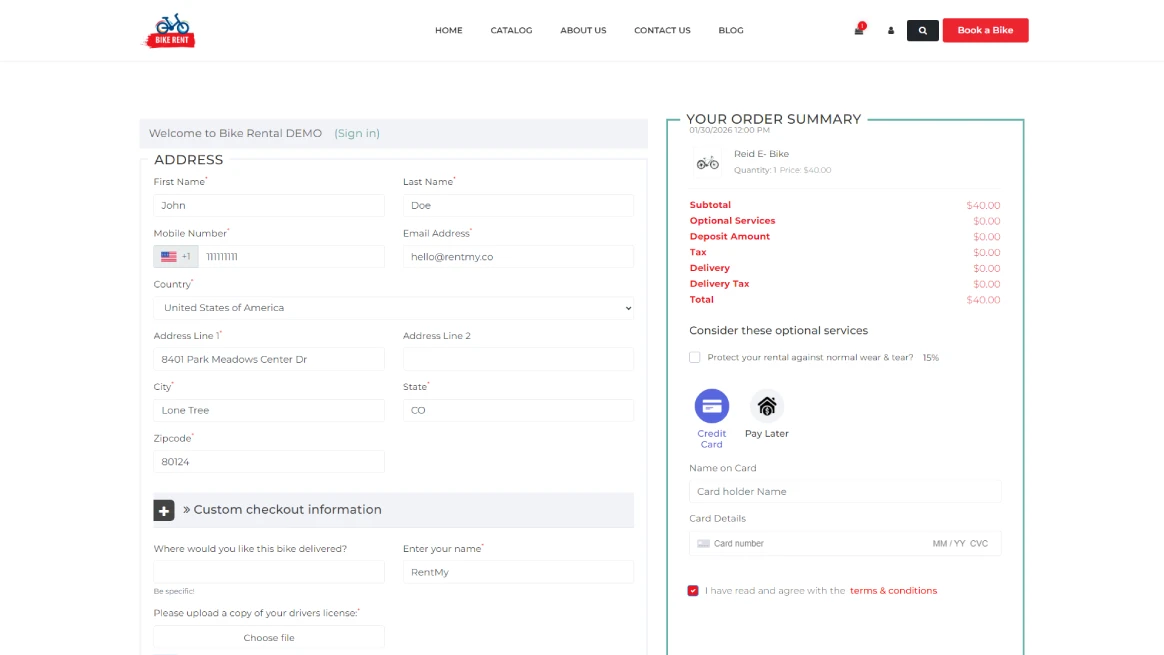
When a customer places an order online, RentMy automatically prompts them to sign the agreement during checkout. Along with their contact details, they’ll complete the first digital signature right on the screen.
This step locks in consent early, so you’re not chasing paperwork after the booking is confirmed.
Let Customers Review Before Signing
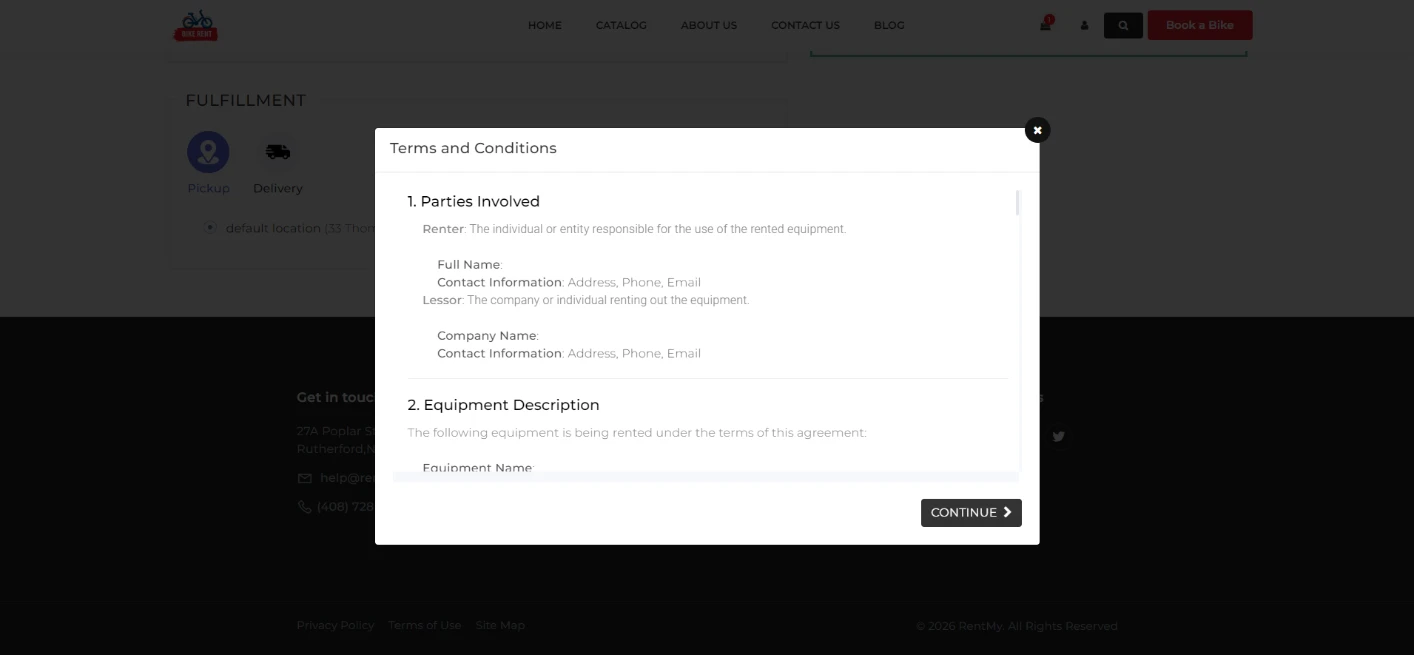
No one likes signing something blindly, and RentMy makes sure that doesn’t happen. Customers can open and read the full agreement in a pop-up window before they agree.
This keeps everything transparent and helps build trust, while also protecting your business from disputes later.
Track Everything from Your Dashboard
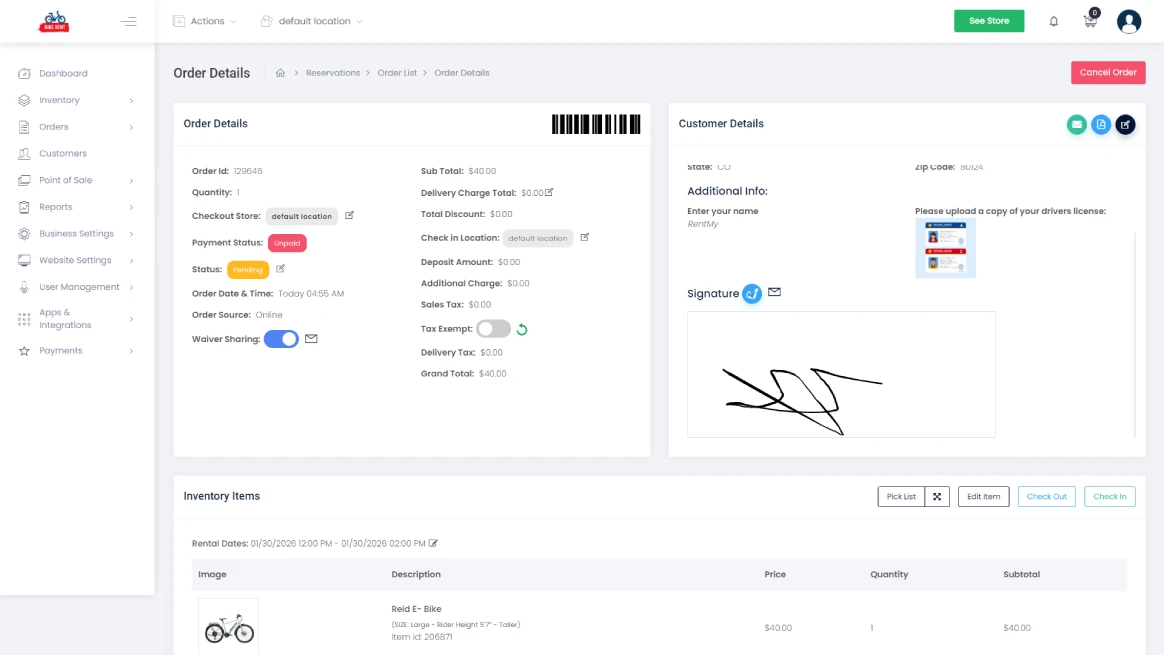
Once the booking is complete, you can monitor signature status directly from your admin panel. You’ll see whether the main customer has signed and can manage additional signatures from the same place.
Everything stays organized under one reservation, so nothing slips through the cracks.
Share Contracts to Multiple Renters
If more people need to sign the same contract, you don’t have to collect them manually. RentMy gives you simple sharing options to reach everyone involved.
You can email the contracts link to all renters instantly or generate a quick access link they can use on your device. This makes it easy to gather signatures whether guests are remote or standing right in front of you.
Collect Renter Details with Each Signature
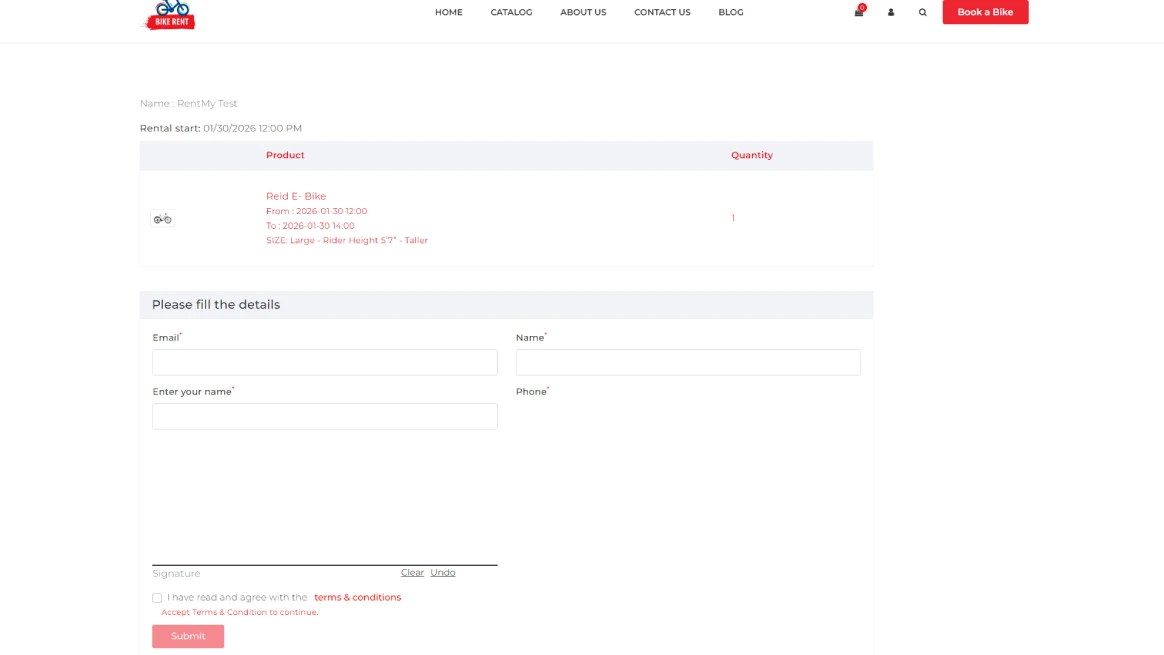
When renters open the contract link, they’ll complete a short form before signing. This usually includes their name, email, and phone number.
By tying each signature to verified details, you create a clear record of who agreed to the terms, which is necessary for accountability and legal protection.
Finalize and Store Automatically
Once a renter signs and submits the form, that’s it, no extra steps needed. The system automatically attaches the completed waiver to the original booking.
Everything is stored securely and stays linked to the reservation, so you always have a clean, organized record ready if you ever need it.
Conclusion
And that’s how you build smarter contracts! From key clauses to using a reliable party rental agreement template, this guide has given you the tools to stay protected and organized.
Think about your current contracts. Are they really protecting you, or are they just a formality? Making a few small tweaks now can save you from major headaches and costs later.
Ready to take the next step? Refine your template, simplify your process, and make every booking a breeze. A solid agreement doesn’t just protect your business, it helps it grow.
FAQs
How Often Should I Update My Rental Agreement?
Review your agreement at least once a year or whenever you change pricing, services, or policies. Updates are also important if local regulations or liability requirements change.
Can I Use the Same Template for All Types of Rentals?
It's best to customize it. A basic template can work for chairs and tables, but high-risk items like inflatables or tents may require additional safety and liability clauses.
What Happens If a Customer Refuses to Sign the Agreement?
Without a signed agreement, you should not proceed with the rental. The contract protects both sides, and skipping it increases your risk of disputes, unpaid fees, or damage claims.
How Can I Prevent Disputes Over Equipment Condition?
Use photos or inspection checklists at delivery and pickup. Documenting item condition before and after use helps resolve disagreements quickly and fairly.
Can I Charge Extra Fees Not Listed in the Agreement?
No. All fees — including delivery, cleaning, or late charges — should be clearly stated in the contract. Hidden or unexpected fees can lead to disputes and damage customer trust.
What Is the Best Way to Store Rental Agreements?
Digital storage is the safest and most efficient. Use cloud-based systems or rental software to keep agreements organized, searchable, and easily accessible when needed.