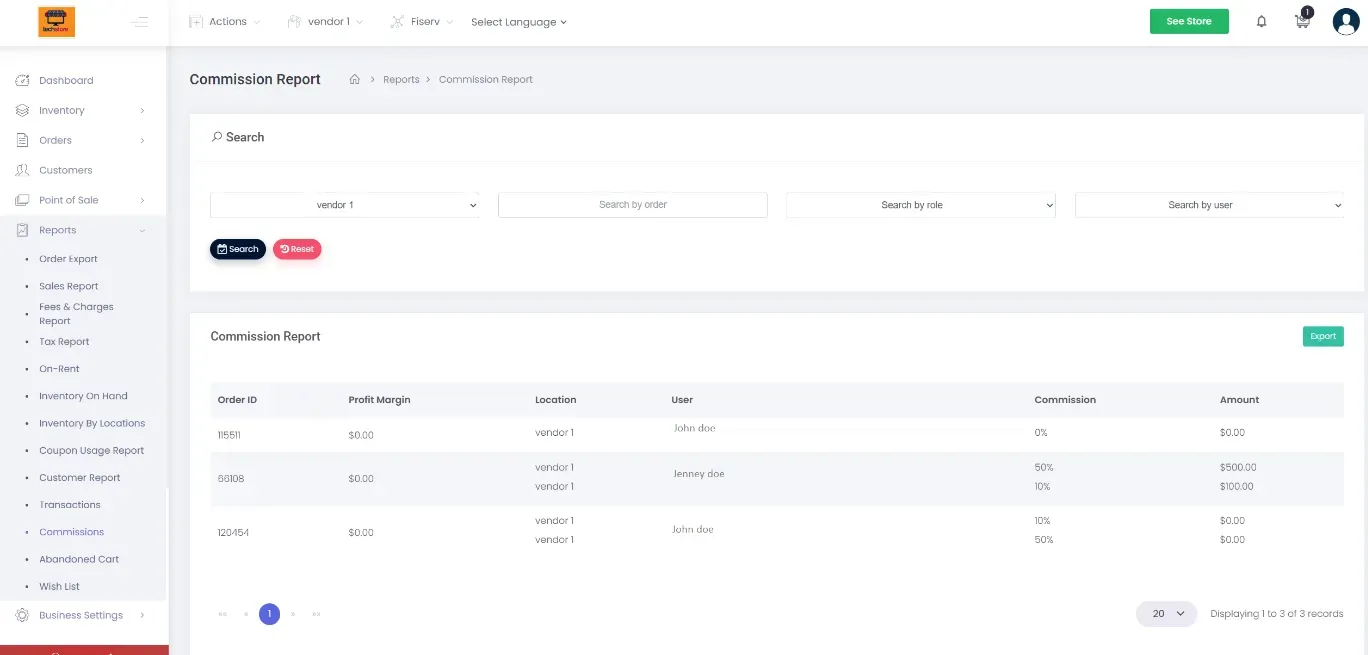
Ever noticed people scrambling for outlets at cafes, airports, or events? What if you could be their solution? A power bank rental business turns this everyday hassle into your next big opportunity.
This isn’t just a niche idea; it’s a booming industry set to hit $31 billion by 2030, growing at an incredible 25.1% annually. The demand is rising, and now’s your chance to claim your share.
Ready to dive in? This guide covers it all: choosing the right tech, finding profitable locations, and building a standout brand. Let’s get straight to the heart of building your new enterprise.
What Is a Power Bank Rental Business?
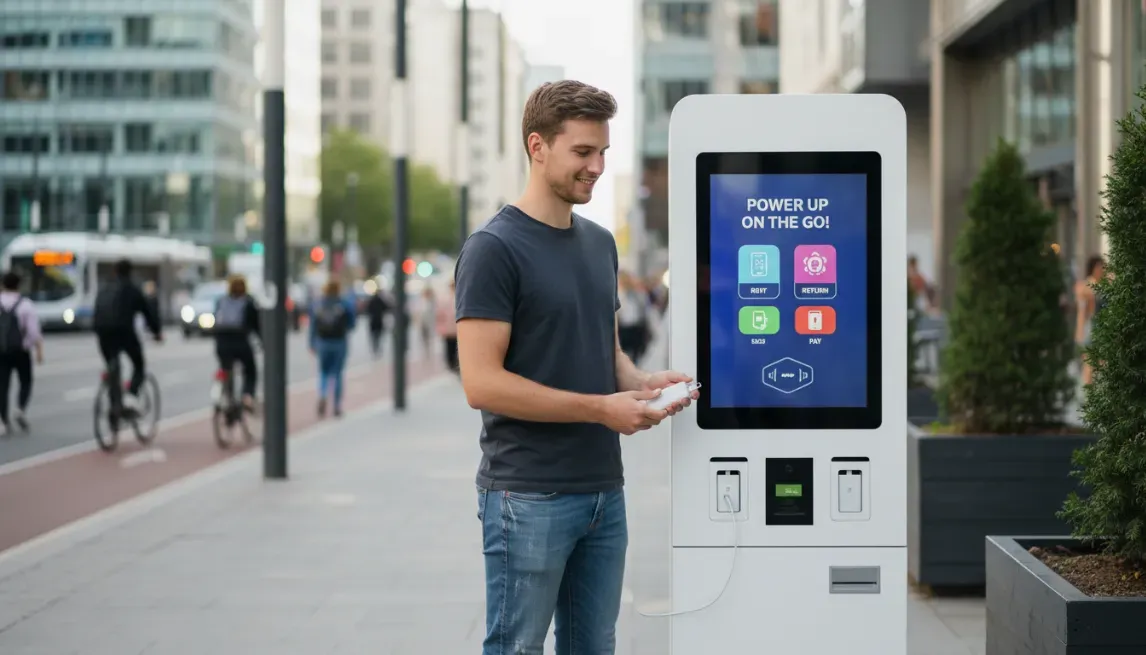
A power bank rental business is a self-service charging service that lets people rent portable power banks from automated stations using QR codes, pay digitally, and return them after use. It solves low-battery problems in public places by offering fast, short-term charging without ownership.
To put it simply, this business places charging stations where people already gather. Users scan, charge, and return the device when done. For business owners, it creates repeat income from everyday phone usage, especially in busy locations where battery anxiety is real and constant.
Is a Power Bank Rental Business Profitable?
The power bank rental business can be highly profitable when location, pricing, usage, and equipment quality align. High-footfall areas like airports, malls, and transit hubs drive rentals, while smart pricing and durable machines reduce costs and boost earnings.
The global Power Bank Rental Service Market was valued at USD 25 billion in 2023 and is projected to hit USD 31 billion by 2030, growing at a CAGR of 25.1% between 2024 and 2030, showing strong and consistent demand.
This demand comes from daily habits, as device dependency grows. Phones, tablets, and wearables drain fast, and renting is cheaper and easier than carrying multiple chargers.
Modern rental management platforms that use mobile booking, barcode tracking, digital signatures, and cloud POS make operations smoother.
Growth follows city trends. Smart cities, cashless payments, and digital lifestyles make rentals easy. More stations in busy areas mean better convenience. This leads to habits, repeat rentals, and a steady monthly income.
With the right plan, proper maintenance, and strategic pricing, a power bank rental business can be a great way to increase your return on investment and earn financial stability.
Manage rentals, track usage, and protect profits from day one.
- Free trial
- No credit card required
Comparison Table: Zero-Inventory Business Models
Station Type | Hardware Cost (per station) | Power Bank Inventory Cost* | Avg. Rentals / Day | Avg. Rental Fee | Est. Daily Revenue | Est. Monthly Revenue | Est. Monthly Profit** |
6–12 slot station (low traffic) | $300–$800 | $80–$250 (8–12 banks @ $10–$20 ea) | 3–5 | $2.00 | $6–$10 | $180–$300 | $80–$200 |
12-slot station (moderate usage) | $500–$1,000 | $120–$300 (10–12 banks) | ~8 | $2.50 | ~$20 | ~$600 | $350–$500 |
24–36 slot station | $900–$2,000 | $240–$720 (20–36 banks) | 10–18 | $2.50–$3.00 | $25–$50 | $750–$1,500 | $500–$1,200 |
48-slot station (high-traffic venue) | $1,500–$2,500 | $480–$960 (40–48 banks) | 15–25 | ~$3.00 | $45–$75 | $1,350–$2,250 | $1,000–$1,800 |
Disclaimer: All figures and statements above are for informational purposes only. Market data and financial estimates are illustrative and not guarantees. Actual costs, revenue, and profitability vary by location, usage, pricing, operating expenses, equipment quality, and market conditions.
Profitability Example Calculation (12-Slot Mall Station)
Let’s walk through a simple example to make the numbers clear. Imagine a 12-slot station placed inside a mall with moderate foot traffic and about 25% usage throughout the day.
Start with setup costs. The machine costs around $600. Twelve power banks at $15 each add $180. Your total initial investment comes to $780.
Now look at daily rentals. With 12 slots and 25% usage, you get roughly 12 rentals per day. If each rental costs $2.50, daily revenue becomes $30. Over 30 days, that equals $900.
Next, subtract monthly costs. Electricity and the internet may cost $15. Maintenance and replacements could be $45. A 10% venue commission adds $90. Total monthly expenses reach $150.
Monthly Profit Formula:
Monthly Profit=(Daily Rentals×Rental Price×30)−Monthly Expenses
Monthly Profit = (12×2.50×30)−150 =900 −150 =750
That leaves $750 in monthly profit. At this pace, the station breaks even in about three months.
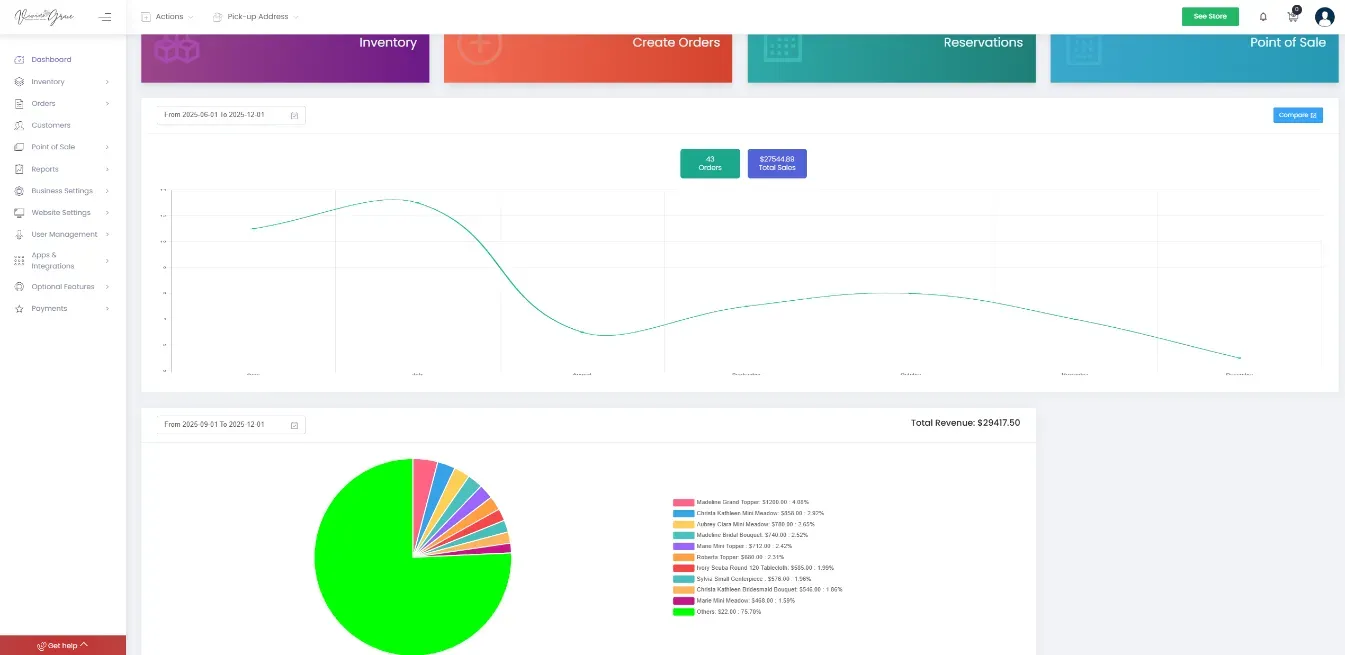
To scale your business, you can add more locations or improve usage at existing ones. Tools like RentMy can help by automating tracking, pricing, and growth across all your stations.
9 Steps to Start a Power Bank Rental Business
Starting a power bank rental business takes more than buying machines and placing them in public spots. You need clarity, planning, and systems that protect your devices and reputation. Following these steps will help you launch your rental business with fewer risks and stronger long-term returns.
Step 1: Define Your Business Model
Before locking in equipment or locations, it helps to pause and decide how this business will actually run day to day. Your model impacts costs, effort, and income. A clear structure now avoids confusion later and keeps growth controlled.
A station-based power bank rental business uses fixed kiosks in busy public spots like malls, transport hubs, or offices. These locations bring steady foot traffic and predictable rentals. It works best if you want volume and can invest upfront.
Mobile and event-based rentals are different. Portable units work for festivals, exhibitions, and markets. Demand is often short but intense. This option suits founders testing demand or running it as a side hustle without long-term commitments.
Partnership-based installations (restaurants, malls, gyms, cafés) rely on shared revenue. You place machines at no upfront cost to the venue and split earnings. It’s a smart way to expand quietly.
To shape your rental business idea, start with a clear plan and apply the business analysis process to review competitors, footfall, and pricing habits.
Revenue Models in a Power Bank Rental Business
Once your model is clear, revenue planning becomes easier. Different pricing paths work together, not against each other. Mixing them keeps income balanced across locations and seasons.
Hourly rentals are perfect for short-term use in places like malls or cafés, while daily rentals offer more flexibility for users like tourists who don’t want to watch the clock.
Subscription plans attract repeat users like commuters or students. Event-based rentals bring bulk income during short timeframes.
You can also expand through franchise or B2B installations, where venues operate your units and share the profits.
Advertising adds another layer. Screens on kiosks can display local ads, while partner commissions and co-branded promotions bring extra margin.
While rentals form the core of your revenue, these other methods can quietly boost your profits with minimal extra effort.
Step 2: Choose the Right Power Bank Rental Machines

Once your business structure is sorted, choosing the right equipment is your next big move.
The machines you select are more than just hardware; they define the user experience, manage theft risks, and set your maintenance costs. Picking the right one will help you test your market before you expand.
Kiosk sizes vary based on location needs. Small cafés often need compact units, while malls and airports demand larger setups to handle traffic. Matching size to footfall avoids wasted slots or constant shortages.
Look closely at features. GPS and IoT connectivity help track usage and reduce losses. Anti-theft systems protect inventory. QR code-based rentals keep onboarding fast. Multi-cable fast charging will keep your customers happy by supporting various devices.
Durability matters too. Weather resistance, battery cycle life, and remote monitoring tools will cut down on maintenance. A reliable machine saves more money than it costs.
Popular Power Bank Rental Machine Providers
Before choosing a supplier, it’s important to compare your options. Providers vary in software quality, support, and customization, so remember that the hardware is only one part of the equation. The system behind it matters just as much.
Some vendors might offer flexible slot sizes and branding options, while others focus on durability or advanced tracking features. Each comes with trade-offs in cost, delivery time, and features. Comparing early prevents regret later.
To help you get a clearer picture of the market, here is a quick comparison of what some of the different suppliers have to offer.
Provider | Slot Options (example) | Key Features | Notes |
ChargeSPOT | 6–48+ | App-based rent/return “rent anywhere” sharing, extensive network | Large global service, stations in multiple countries. |
Litapower | 4–48 | Hardware + global OEM solution & management software | True power bank sharing supplier. |
LYD rent | 12–48 | Touchscreen payment, flexible station sizes | Example supplier with touchscreen and app. |
HeyCharge | 8–48+ | Turnkey rental solution (hardware + software + dashboard) | Verified provider with customization. |
Y2 Power | 4–28+ | Modular, QR code + app rental system | Verified supplier with modular slots |
Disclaimer: Information is provided for general comparison only and may change over time. Features, pricing, availability, and specifications vary by region and agreement. We do not guarantee accuracy or completeness. Please verify all details directly with providers before making any decisions.
Step 3: Estimate Startup Costs & Investment

After equipment choices, it’s time to face the numbers. Costs vary widely based on scale and location strategy. Breaking down these costs early on helps you set realistic expectations and avoid running out of money.
Hardware, like kiosks and power banks, usually takes the largest share of your budget.
Software, including rental management systems for payments and tracking, adds another cost layer.
You’ll also need to consider location fees or revenue-sharing deals, which can impact your monthly cash flow.
Don’t forget ongoing expenses like maintenance, battery replacements, and minor repairs; they can quietly add up.
You’ll also need to budget for licenses, permits, daily operations, and insurance for your rental business.
Having strong financial management strategies helps you track spending, forecast returns, and adjust pricing before small issues grow. Careful planning now makes scaling smoother later.
Step 4: Find High-Traffic Locations for Your Power Bank Stations
Once you’ve sorted your equipment and costs, the next step is finding the right location. Even the best machine struggles in the wrong spot. High footfall brings repeat use and a quicker return on your investment (ROI).
Prime spots include shopping malls, especially near entrances and food courts, and transportation hubs like airports and train stations. These places are full of people who urgently need to charge their devices.
Cafés, restaurants, and bars are also great, as customers stay longer. For high-volume, short-term rentals, consider stadiums, event venues, and college campuses.
When pitching your power bank station to a business, focus on a partnership that benefits both of you. Offer a share of the revenue, a trial period, and promise full maintenance to make the deal attractive and risk-free for them.
Step 5: Registration, Licensing & Compliance

Once you’ve chosen locations, it’s important to handle the legal details. This protects your business and makes expansion easier.
A. Choosing the Right Business Structure
Your business structure shapes the legal identity of your power bank rental operation. It impacts liability, taxes, and contracts. Choosing the right structure is necessary to protect both the business and yourself as a founder.
Since power bank kiosks operate in public spaces and handle payments 24/7, liability risks like damage, theft, payment disputes, or injuries can arise. A formal structure shields your personal assets from these risks and ensures smoother operations.
Many operators move beyond sole proprietorships early, opting for structures that separate personal and business finances. This makes it easier to sign agreements with malls, cafés, and transit hubs, secure insurance, open business bank accounts, and maintain clear financial records as the business grows.
A well-defined structure also boosts credibility and helps you negotiate partnerships and expand to new locations. Setting it up right from the start saves future costs and prevents legal complications as you scale.
B. Local Vending and Kiosk Placement Regulations
Setting up kiosks comes with different rules depending on the location.
Vending permits may be required in some cities, while others focus on electrical safety or zoning rules. For public spaces, you’ll often need to meet accessibility spacing and pass safety checks before installation.
If your kiosk is for an event, you might need short-term permits, while placements in malls or transport hubs are usually handled through management contracts.
It’s important to check local rules early to avoid fines, delays, or even having to remove your kiosk.
Clear approvals also help venue partners feel confident working with you.
C. Payment Gateway, Tax, and Data Compliance
Register for the right sales tax and set up organized payment systems to stay compliant. Using automated tools can save time by tracking transactions without the trouble of manual work.
Payment gateways need to meet strict security standards, and apps must follow user data rules. This means ensuring clear consent, secure storage, and easy-to-understand privacy policies. Protecting user data not only keeps your customers safe but also safeguards your brand’s reputation.
By setting up clean systems now, you’ll avoid bigger issues as your business grows. Simple, secure, and compliant payment processes are the key to smooth operations and long-term success.
Let RentMy handle billing, tracking, and reports while you focus on growth.
- Free trial
- No credit card required
Step 6: Choose the Right Power Bank Rental Management Software
Running a power bank rental business becomes far easier when your operations are centralized. RentMy brings everything together in one place, helps you stay organized, reduces manual work, and scales confidently without operational chaos slowing you down.
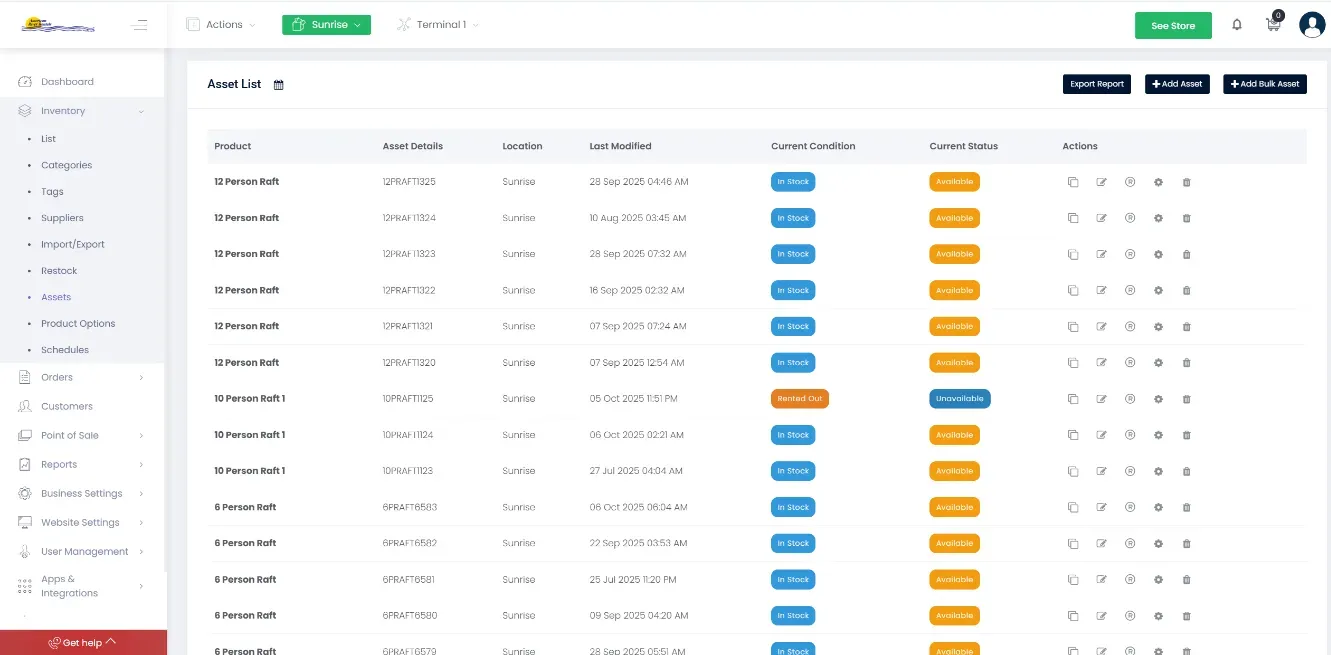
Inventory worries fade when every power bank stays visible. RentMy helps you know where each unit is, which ones are charging, and which need attention. This means fewer missing items and more confidence at busy locations.
Let RentMy handle billing, tracking, and reports while you focus on growth.
- Free trial
- No credit card required
Billing becomes simple and predictable. RentMy handles customer payments cleanly, reduces disputes, and keeps records organized. Whether it’s short rentals or longer usage, money moves smoothly without manual follow-ups or awkward customer conversations.
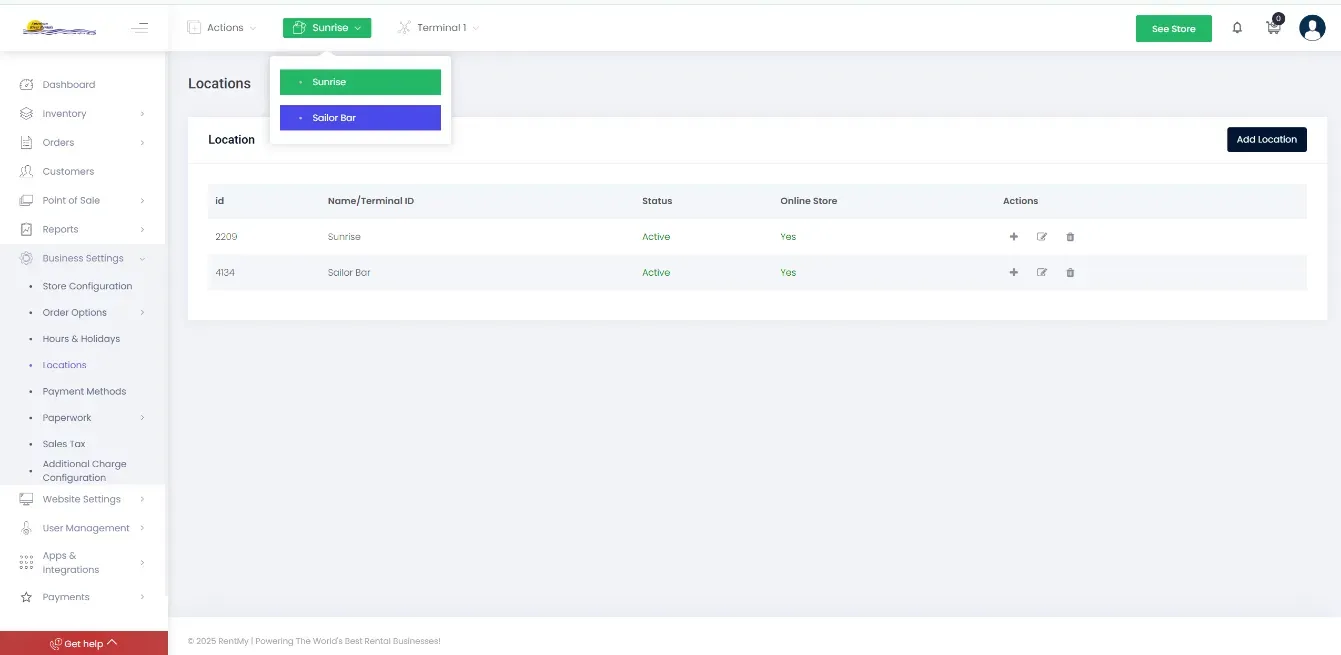
Growth feels lighter with one clear view. RentMy’s multi-location view lets you monitor all stations together, compare performance, and spot strong locations fast. You make decisions based on patterns, even as locations multiply.
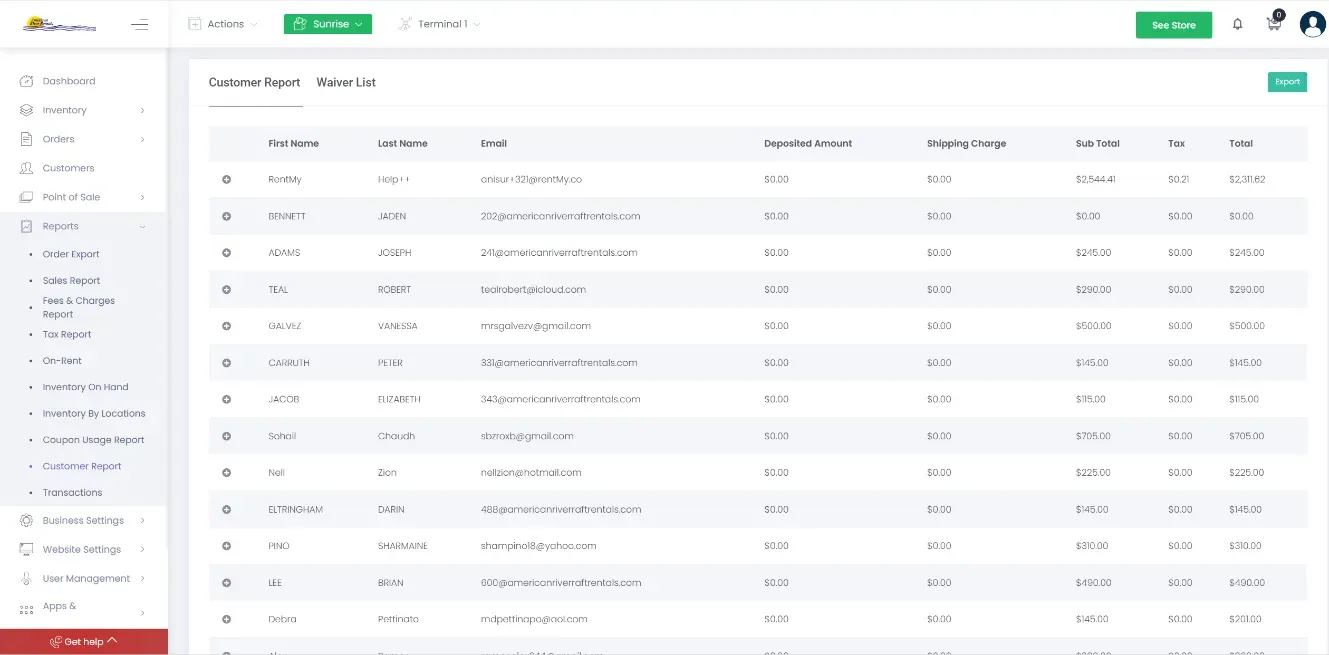
Partner relationships stay transparent and stress-free. RentMy tracks commissions automatically, so venue partners see clear numbers and fair payouts. That clarity builds trust, keeps deals stable, and makes it easier to secure new high-traffic placements.
Step 7: Set Your Pricing Strategy
Pricing decides whether your rental business grows or stalls. Even strong locations suffer when prices feel confusing or unfair. The wrong pricing can hurt your rental business’s profit, while the right balance keeps returns healthy.
Consider different models to see what works best.
Pay-per-hour pricing suits quick stops and short stays. Daily caps prevent bill shock and build trust. Some operators avoid deposits to boost conversions, while others use small holds to reduce losses. Each choice shapes user behavior.
Bundle pricing is another smart strategy to consider for pricing equipment rental rates. Offering packages or discounts for multiple-day rentals or combining services can attract more customers while increasing overall revenue.
When you share profits with location partners, you need to consider this from the start. Your prices should cover these commissions but still be low enough to attract users.
Test your pricing, look at the data, and make small changes. Good pricing helps you make more money without losing customers.
Track fees, caps, and partner shares automatically.
- Free trial
- No credit card required
Step 8: Operations, Maintenance & Security

After your stations go live, you’ll need to manage daily operations. Consider using tools like calendars and fleet management software to schedule checks and prevent problems. This reduces downtime and protects your equipment.
A. Battery Lifecycle and Replacement Planning
Batteries are the heart of your service, but their performance drops over time. That’s why planning matters. When you track every item with a different ID, it becomes easy to know which batteries need attention and when replacements are due.
Most batteries last through many charge cycles before slowing down. By monitoring usage patterns, you can plan replacements gradually, avoiding bulk failures. This approach keeps your operations running smoothly while ensuring reliability.
Good asset tracking also simplifies recycling and warranty claims, helping you stay efficient and environmentally responsible. With a steady replacement plan in place, your stations remain dependable, and users continue to trust your service.
B. Routine Kiosk Inspections and Maintenance
To ensure your kiosks are always ready for peak hours, perform routine inspections and maintenance. These regular checks help you catch minor issues like loose cables, dirty card slots, or software glitches before they become major problems that lead to lost rentals.
A quick weekly inspection is more effective than infrequent deep dives. By logging each visit, you create a maintenance history that can be reviewed to identify recurring problems.
This regular maintenance keeps your kiosks working and shows your venue partners that you care about quality.
C. Customer Support Setup
A great customer support system builds trust. Most issues that arise are simple and time-sensitive, so fast replies matter more than long explanations. Clear in-app help, quick refunds, and polite responses can calm frustrated users instantly.
To achieve this, you can use automation to handle common questions, freeing up your team to manage more complex edge cases.
When users feel heard and supported, one bad experience is less likely to turn into a negative review, protecting your brand’s reputation.
D. Anti-Theft and Loss-Prevention Measures
Public rental items need strong protection against theft and loss.
GPS tracking allows you to monitor the location of your items in real-time, while built-in alarms can deter thieves.
Implementing user identity verification during the signup process also helps ensure that renters are who they say they are. It discourages misuse from the start.
Regularly checking usage patterns helps you spot unusual activity and fix issues early.
You can also mark your equipment to prevent theft by making your items easily identifiable and harder to resell.
Clearly communicating your policies, letting users know that items are tracked and monitored, also naturally reduces misuse.
Step 9: Marketing Strategy to Grow Your Power Bank Rental Business
Once your operations are ready, it’s time to attract customers. A strong marketing plan helps you make a great first impression, build trust, and drive rentals. Here’s how to market your powerbank rental business so customers can easily find and choose your service.
A. Build a Strong Online Presence for Direct Bookings
Your rental website is your online store, letting customers easily rent a power bank.
Ensure your site loads fast, works on all devices, and is easy to use. With more than 60% of internet users on mobile phones, a smooth experience keeps them engaged.
Use clear, high-quality images of your power banks and charging stations. Show them in different contexts at a cafe, in a travel bag, and at an event to help customers see the convenience. This builds trust and answers questions before they’re even asked.
Also, including location-specific keywords, such as your city, on your website helps local customers discover you when searching for rentals. Provide clear information about your services in the area to increase your chances of appearing in local search results. (more on this later)
Building a website from scratch can be time-consuming. A platform like RentMy makes it easy by giving you a ready-made, SEO-friendly website with integrated booking, secure payments, and a clean design. All without requiring any coding or technical expertise.
Show up locally and convert mobile visitors faster.
- Free trial
- No credit card required
B. Search Engine Optimization (SEO) for Local Visibility
Local searches often lead to actual rentals.
To improve your SEO for your rental business, think about what potential customers search for when they need a rental. You can use tools like Google’s search suggestions and Google Trends to understand what people are looking for.
Set up and optimize your Google Business Profile to get your business on Google Maps. This makes it simple for customers to reach out, find directions, and trust your brand. Plus, it shows reviews that build social proof for new customers.
Another way to boost your visibility is through accurate listings on trusted platforms.
Being featured in the RentMy Rental Directory and other similar sites can help you build trust with customers quickly. Make sure to keep your details, such as availability and pricing, up to date.
Think of each listing as a small digital storefront. Customers will compare them in seconds, so make yours stand out.
C. QR Code Awareness Stickers and On-Site Promotions
Place simple QR code stickers on tables, counters, or entrances with clear instructions like “Scan to Charge.” These small prompts grab attention when people need power most, offering convenience without confusion.
By putting them in high-traffic spots like cafes, gyms, and waiting areas, you turn everyday spaces into low-cost marketing opportunities.
As users scan and charge, you can track activity to see which locations perform best and adjust sticker placements for better results.
This consistent visibility builds brand familiarity. Over time, it encourages repeat use and makes your rental stations a normal part of daily life.
D. Event Sponsorships and Brand Activations
Events build fast brand awareness. Phones die during long, busy days. This is from heavy use like photos, navigation, and social sharing. Charging solutions solve a real problem for people.
Branded setups can turn a low-battery frustration into a memorable experience.
Well-placed charging stations attract attention. They work well at concerts, festivals, and trade shows. You don’t need pushy promotions. This short-term exposure creates long-term users. They will recognize and trust your stations in other places like malls, airports, or cafes.
Visual branding, clear instructions, and easy access reinforce reliability. You can boost engagement with free charging or QR-code sign-ups. When attendees see your brand as convenient, they’re more likely to remember you and come back to future events.
E. Building Local Partnerships
Partnerships help you grow faster by benefiting everyone. Venues get happier guests, and you gain trusted spots in busy locations.
Charging stations keep customers around longer, improving their experience and helping businesses. Sharing results like increased visits or positive feedback shows clear value.
Transparency builds trust, making partners see your service as essential, not just a bonus. Strong local connections lead to referrals and more opportunities.
A solid network reduces marketing costs, boosts credibility, and makes your power bank rental service a trusted, valuable utility.
F. Social Media Marketing Strategies
With 5.66 billion social media users worldwide, social platforms can quickly spread awareness about your service. Simple posts showcasing real-world charging moments, like during a commute, while shopping, or traveling, help people relate to the problem you solve.
Short videos demonstrating your charging stations in action feel authentic, not like ads. Using location tags helps nearby users find your stations easily. Sharing helpful tips with visuals of your stations also performs well, building familiarity.
The key is consistency over volume. Regular, practical posts that show how charging fits into daily life build trust over time. You can also share behind-the-scenes content, user photos, and quick demos to add authenticity.
Conclusion
That’s the big picture! We broke down how a power bank rental business works, what it costs to start, and how to grow it confidently.
The opportunity lies in consistency. Phones die every day, in the same spots, with the same urgency. Solve that need well, and you’re building habits, not just one-off rentals.
If this idea excites you, start small. Pick the perfect location, track results, and tweak as you go. With smart execution, simple ideas can turn into steady, lasting income.
FAQs
To rent a power bank, scan the kiosk’s QR code to access the app or payment page. Select your power bank, pay via card or mobile wallet, and take it. Return it to any provider station when finished.
Download the app or scan the kiosk QR code, pick a power bank and rental time (hourly/daily), and pay securely. The machine unlocks your chosen bank. Use it to charge devices, then return to any compatible station for automatic check-in and deposit unlock.
Yes, power bank rentals are worth it for travelers and urban users needing instant charging without buying. For just $1-3 per use, you can avoid buying a new unit, save luggage space, and reduce e-waste. It’s convenient and cost-effective.
Go to the kiosk and scan the QR code to open the app. Pick a power bank, choose a plan, and pay. Take the power bank from the slot. To return, scan and insert it back into any slot. Done!