
Explore the Content
- What Is a Food Truck Rental Business?
- Why the Food Truck Rental Market Is Growing
- Is Food Truck Business Profitable?
- Who Are Your Ideal Customers?
- How Do Food Truck Rentals Work?
- 8 Steps to Start a Food Truck Rental Business
- Common Challenges in a Food Truck Rental Business (and How to Overcome Them)
- Why Food Truck Rental Companies Choose RentMy
- Conclusion
- FAQs
What if your next big business opportunity is already sitting on four wheels? Wondering how to start a food truck rental business, attract reliable renters, and keep your fleet earning?
The opportunity is gaining momentum fast. The global food truck market reached $5.4 billion in 2024 and could hit $7.8 billion by 2030. That creates plenty of room for rental operators.
This guide covers fleet planning, financing, legal requirements, pricing, rental policies, technology, marketing, and revenue growth. You’ll also learn how to avoid costly mistakes before they slow you down. Let’s get into it.
What Is a Food Truck Rental Business?
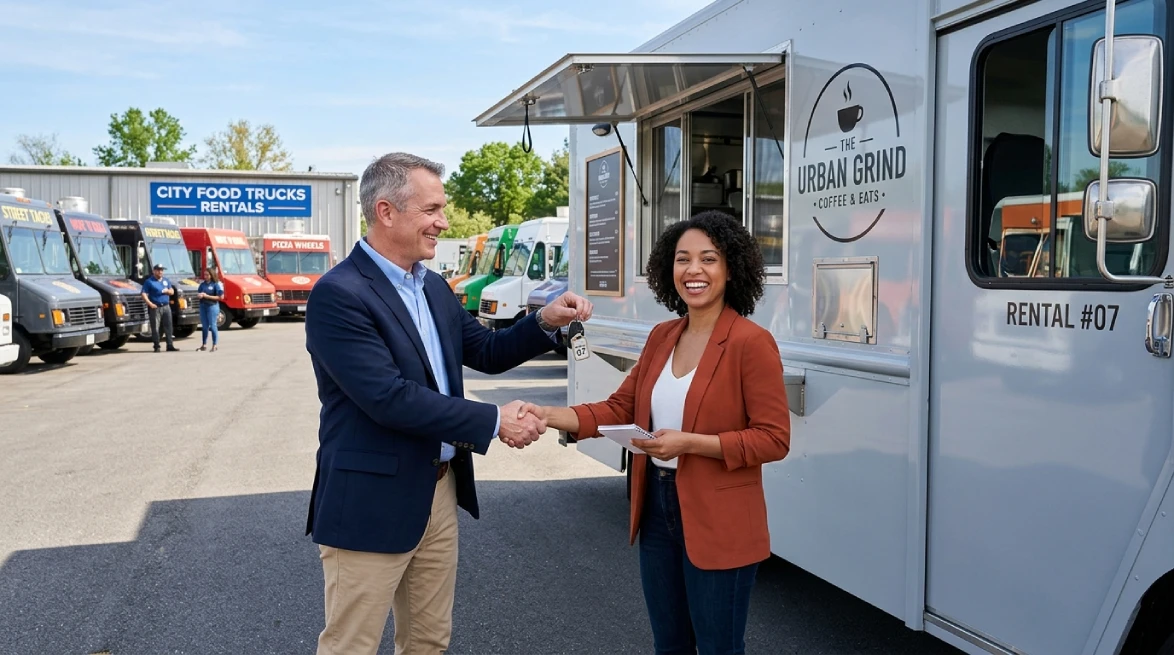
A food truck rental company owns and maintains a fleet of mobile kitchens and rents them to customers. Instead of selling food, the rental company earns revenue by leasing fully equipped trucks to others for daily, weekly, or event-based use.
Customers may include new food entrepreneurs, caterers, festival vendors, restaurants, or corporate brands. Each renter gets access to a ready-to-go kitchen without the stress of buying and building one from scratch.
The biggest win for renters is skipping the huge upfront cost of owning a truck. They can launch their business faster, test ideas, or cover events with far less financial risk involved.
For food truck rental owners, success comes from keeping their fleet reliable and fully booked. The more efficiently they manage their trucks, the more consistent and scalable their income becomes over time.
Why the Food Truck Rental Market Is Growing

The food truck rental market is booming. Renting gives businesses flexible, affordable access to fully equipped commercial kitchens. It reduces financial risk while helping operators respond quickly to changing demand.
The global food trucks market was valued at USD 5.4 billion in 2024, projected to reach USD 7.8 billion by 2030, growing at a CAGR of 6.3%.
According to a study by Food Truck Operator, Inc., starting a food truck can cost around $50,000–$60,000, compared to ten times more for a traditional restaurant. Permits also take less time to secure. This makes food trucks an attractive, low-barrier option for entrepreneurs.
Rental companies benefit too. One truck can generate revenue from multiple customers throughout the year, without relying on food sales.
Flexibility is winning over ownership. Owning a food truck is expensive. Maintenance, insurance, storage, and licensing costs add up fast.
Renting only when needed helps businesses avoid these year-round expenses and reduces their financial risk. Restaurants, caterers, and entrepreneurs want faster ways to launch new concepts without committing to permanent locations or costly equipment purchases.
Demand extends well beyond street vending. Weddings, festivals, corporate events, and private celebrations consistently drive strong interest in temporary mobile kitchen solutions throughout the year.
Technology simplifies the rental process. Online booking, digital contracts, and automated scheduling are just some of the rental features that make it easy for customers to rent from you.
You get less admin work and more time to grow your business.
Is Food Truck Business Profitable?

A food truck rental business can be profitable. Unlike food vendors, you earn recurring income by leasing the same trucks to different customers. Keeping your trucks rented regularly is the way to get better returns from your investment.
Profitability depends on several factors working together. Fleet utilization, smart pricing, maintenance costs, and operational efficiency all shape your long-term success.
You can get more bookings and boost revenue through long-term leases, event packages, branding services, and damage protection plans. These extras increase your average booking value significantly.
Operating costs include insurance, storage, maintenance, and marketing. Preventive maintenance and smart scheduling reduce downtime. Every truck on the road means more revenue coming your way throughout the year.
As your fleet grows, so does your income potential. Reservation software, maintenance tracking, and customer management tools help you scale smoothly. The right systems protect your margins while keeping operations running efficiently.
| Fleet Size | Annual Rental Revenue* | What This Scale Could Support |
|---|---|---|
| 3 Trucks | $300,000–$400,000 | A small fleet that can help test demand, pricing and utilization in a local market. |
| 5 Trucks | $500,000–$650,000 | A larger operation with more opportunities to serve different customers and locations. |
| 10+ Trucks | $1 million+ | A larger fleet with greater revenue potential |
Disclaimer: Illustrative scenario only, not an industry-average forecast. Actual revenue depends on rental rates, booking frequency, truck type, location, seasonality, utilization, maintenance costs and the services included in each rental.
Who Are Your Ideal Customers?

As a food truck rental business owner, your customers come from many different industries. And this creates steady, year-round demand. Some rent for a single weekend. Others lease for months before buying. Mixing short and long-term rentals balances your cash flow and keeps your fleet earning.
| Customer Type | Typical Rental Use Case | Why They Rent Instead of Buying |
|---|---|---|
| First-time food entrepreneurs | Launch a new food concept or test menu ideas | Lower startup costs and reduced financial risk before investing in ownership. |
| Restaurants | Test new neighborhoods or operate pop-up locations | Expand into new markets without purchasing another vehicle. |
| Caterers | Weddings, private parties, and corporate catering | Increase capacity during busy seasons without maintaining extra trucks year-round. |
| Festival vendors | Food festivals, fairs, sporting events, and seasonal markets | Only require trucks during peak event periods. |
| Marketing agencies | Brand activations, product launches, and promotional tours | Create branded experiences without owning specialty vehicles. |
| Film & TV productions | On-location catering and production support | Need temporary mobile kitchens for remote filming locations. |
| Corporate organizations | Employee events, conferences, and company celebrations | Rent for one-time occasions without long-term ownership costs. |
| Universities & schools | Campus festivals, graduations, and orientation events | Add temporary dining options while staying within budget. |
| Wedding planners | Reception catering and late-night food service | Deliver memorable guest experiences without permanent catering infrastructure. |
How Do Food Truck Rentals Work?
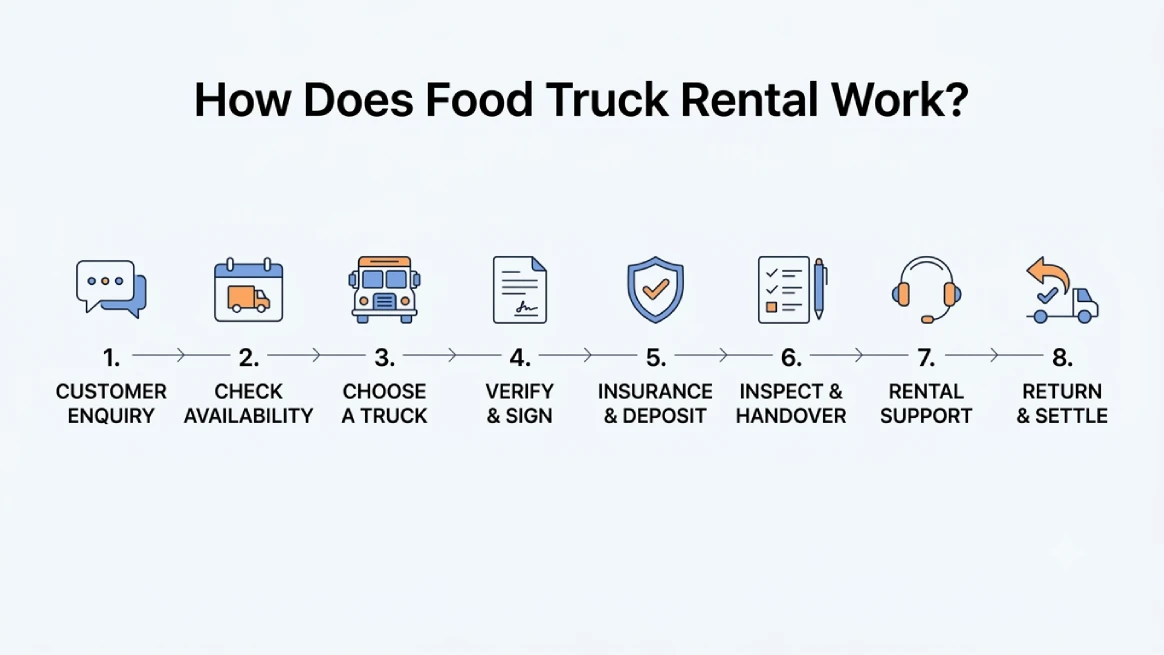
Renting out your food truck follows a clear, structured process that protects your business and keeps customers satisfied.
It starts when a customer submits an inquiry with their event details, dates, and equipment needs. You review availability and send them a customized quote that fits their requirements.
Once they've selected the right truck, you verify their identity and review any required permits or documentation. This keeps everything legitimate and above board for both parties.
From there, you'll have them sign a rental agreement covering pricing, dates, and responsibilities. You collect a refundable security deposit before handover and confirm insurance coverage before releasing the truck.
On pickup day, you and the customer inspect the truck together. Walk them through the equipment, answer their questions, and carefully document the truck's condition.
Make yourself available for support throughout the rental period should anything come up.
When the truck is returned, complete a thorough final inspection. Clearly explain any applicable charges before refunding the deposit.
A smooth, transparent process like this builds trust, reduces disputes, and keeps customers coming back.
8 Steps to Start a Food Truck Rental Business
Starting a food truck rental business takes careful planning. It goes beyond simply buying trucks and waiting for bookings. Follow these eight steps to turn your rental business idea into a profitable, growing company.
Step 1: Build a Food Truck Business Plan

Every successful food truck rental business starts with a solid plan. It helps you understand your market, manage costs, attract funding, and make smarter decisions as your business grows.
Investors usually begin by reviewing the executive summary. Keep it clear and compelling. Describe your service area, fleet size, funding needs, and long-term vision in simple, confident language.
Strong business objectives keep you focused. Set measurable short-term goals alongside realistic long-term milestones that support steady growth without straining your finances.
Knowing your target market helps you build services people actually want. Identify your ideal renters early and tailor your pricing and packages to match their needs.
A thorough competitive analysis reveals gaps your business can fill. Look for ways to offer better service, easier booking, or more flexible rental options than nearby competitors.
Your fleet strategy shapes daily operations. Choose vehicles that appeal to multiple customer groups and expand gradually based on real demand.
A smart revenue model goes beyond basic rentals. Add delivery, equipment upgrades, and event packages to boost income without purchasing additional trucks.
Your marketing strategy connects you with the right renters. Combine SEO, social media, email campaigns, and local partnerships to build a steady flow of inquiries.
Realistic financial projections keep your budget on track. As part of your financial management strategies, estimate startup costs, monthly expenses, and break-even timelines using honest, well-researched assumptions.
Solid risk management protects your investment. Address vehicle damage, downtime, and seasonal slowdowns with insurance, maintenance schedules, and clear rental agreements.
Finally, a strong growth plan positions you for long-term success. Outline how you'll add trucks, enter new markets, and scale operations while maintaining quality.
Step 2: Choose the Right Rental Business Model

How you rent your trucks directly affects booking frequency and income. Mixing short-term and long-term options helps reduce idle time and keeps cash flow steady year-round.
| Rental Model | Illustrative Pricing* | Best For |
|---|---|---|
| Daily Rental | $500–$1,500/day | One-day events, pop-ups and short-term use |
| Weekend Rental | $1,000–$3,000 | Weddings, festivals and weekend markets |
| Weekly Rental | $1,500–$4,000/week | Pop-ups, market testing and temporary operations |
| Monthly Rental | $3,000–$8,000/month | Entrepreneurs and temporary business expansion |
| Long-Term Lease | Custom pricing | Established operators needing a truck for an extended period |
| Event Packages | Custom pricing | Festivals, corporate events and special occasions |
| Strategic Partnerships | Negotiated | Multi-location operators and long-term business relationships |
Disclaimer: These are illustrative U.S. pricing ranges, not guaranteed market rates. Actual prices vary based on truck size, equipment, location, rental duration, season, mileage, insurance, delivery, maintenance, and services included.
Step 3: Acquire and Finance Your Fleet

Your trucks are your biggest income-producing assets. The right fleet attracts more customers and keeps costs manageable. Choose wisely and you'll have room to grow without stretching your budget too thin.
Fleet Acquisition
Choose trucks that match the customers you want to serve. A versatile fleet can appeal to restaurants, caterers, event companies, and entrepreneurs.
New trucks offer modern equipment and warranties. Used trucks cost less upfront, but inspect them carefully. Custom builds like coffee or pizza trucks can attract niche renters, though costs may be higher.
Leasing helps you add vehicles while keeping cash free for operations. Just compare full lease costs, terms, and purchase options before committing to anything.
You don't need a massive fleet from day one. Start small with dependable trucks, watch your booking patterns, and expand when demand supports it. This protects your working capital.
Startup Investment
Yes, your biggest startup cost will likely be the trucks themselves. But there's much more to budget for after you purchase the vehicle. Each vehicle must be road-ready, compliant, and rentable before it earns a single dollar.
Budget for equipment upgrades like refrigeration, generators, and cooking systems. Professional wraps and signage also help your fleet look polished and credible to potential customers browsing their options.
Do not overlook storage, tools, cleaning supplies, and spare parts. These everyday essentials keep your truck rental ready and help you avoid costly downtime between bookings.
Your early marketing investment should cover your website, fleet photography, search visibility, and advertising. A strong online presence turns an impressive fleet into a steady booking pipeline.
Finally, protect your working capital. Set aside cash for insurance, repairs, registration, and unexpected expenses. The SBA recommends calculating startup costs before seeking funding. Those numbers guide smarter financing decisions and realistic break-even planning.
Financing Options
Commercial loans help you purchase vehicles and cover business expenses. Lenders typically look at your credit, repayment ability, and financial strength. It's a straightforward option worth exploring early.
Equipment financing lets the truck itself secure the loan. It helps you hold onto more cash while paying the expense gradually. And that gives you greater financial flexibility for other business expenses.
.
Leasing is great when upfront costs are a concern. The leasing company owns the equipment, so compare total costs and ownership terms carefully before committing.
Investor funding suits businesses aiming for faster growth. Investors provide capital in exchange for equity or an agreed arrangement. This reduces debt pressure, though it does mean sharing ownership.
Government-backed programs offer another solid avenue. In the US, SBA 7(a) loans can support equipment purchases and working capital. Eligibility requirements apply, so always verify current program terms before applying.
Step 4: Handle Licensing, Insurance & Legal Requirements

Getting your legal setup right sets you up for long-term success. Register your business, sort your licenses, and check federal, state, and local rules before your first booking. Requirements vary by location and vehicle type.
Food trucks follow state and local health rules, not FDA oversight. Before renting out any truck, confirm health permits, fire inspections, food safety rules, and local operating approvals apply to your renter's area.
Insurance for your rental business is necessary. At minimum, look into commercial auto, general liability, and property coverage. Speak with an insurer who knows vehicle rentals to make sure you're properly protected.
Your rental agreement should clearly outline permitted use, driver requirements, damage responsibilities, and accident procedures. Never assume your policy covers every scenario. Confirm coverage details with your insurer upfront.
Stay organized with records for registrations, inspections, repairs, and taxes. A consistent system saves time and keeps you prepared. Always verify your exact obligations with a legal professional, accountant, and relevant agencies before launching.
Stay organized with records for registrations, inspections, repairs, and taxes, including sales tax obligations that may apply to your rentals depending on your state.
A consistent system saves time and keeps you prepared. Always verify your exact obligations with a legal professional, accountant, and relevant agencies before launching.
Step 5: Set Competitive Rental Pricing

Your pricing strategy shapes your profits. A flexible pricing model helps you stay competitive, cover costs, and grow steadily. Get it right, and every booking works harder for your business.
Factors That Influence Rental Pricing
Setting rental rates starts with knowing your costs, your market, and what each truck offers. A smart pricing strategy keeps bookings coming in while protecting your profit margins all year long.
Newer trucks with modern equipment can command higher rates thanks to better reliability and customer appeal. Pricing should reflect both the truck's age and what comes with it. Premium appliances and reliable generators can add value, while older units may need more appealing rates.
.
Rental length matters too. Daily bookings often bring the highest per-day income, while weekly and monthly rentals usually come with discounts.
Longer bookings mean less downtime, less admin work, and steadier cash flow.
Seasonal demand shapes your rates just as much. Weddings, festivals, and summer events support premium pricing, while slower months may call for promotions.
Consider your location, delivery distance, included mileage, and last-minute demand when setting final rates.
Having the right insurance for rental business operations also helps you price with confidence, knowing your assets are protected.
Additional Fees & Optional Charges
Base rental prices rarely tell the whole story. Smart service fees protect your business while creating extra income from every booking.
Clear pricing also helps customers know exactly what they're paying for upfront.
Cleaning fees cover excessive mess beyond normal use. Refundable security deposits protect against damage or unpaid charges.
Fuel policies should clearly explain refill expectations and any charges when trucks return below the agreed level.
Generators are a great upsell opportunity. Charge a separate usage fee to offset fuel and maintenance costs. Late return fees protect future reservations, and optional damage protection plans reduce the financial risk for customers.
Boost your average booking value by offering extras like tables, refrigeration units, POS systems, or catering accessories. These additions make your food truck rental business even more appealing to customers.
Creating Basic, Standard, and Premium packages makes your pricing easier for customers to understand. Group pricing like this also makes it easy for customers to upgrade, so it's a win for everyone, right?
Step 6: Create Rental Policies That Protect Your Business
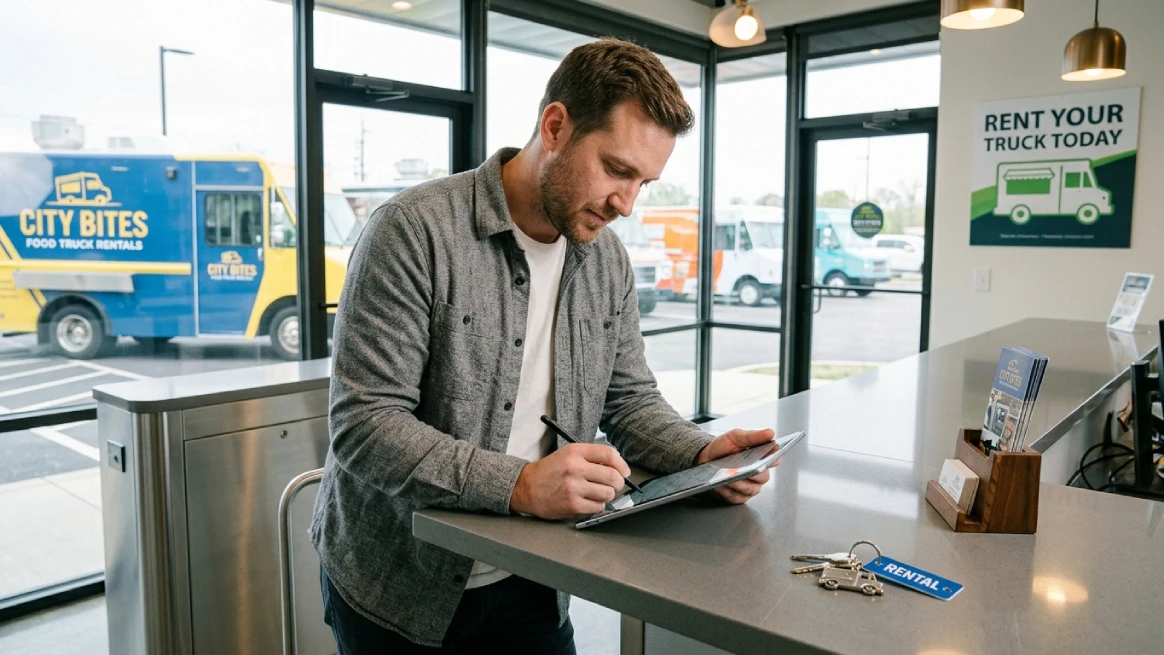
Strong policies keep your business running smoothly and your customers happy. Clear, consistent processes help your team stay on track and protect your fleet every single day.
Set Strong Policies to Cut Risk
Written policies remove uncertainty before problems arise. Clear policies set expectations, protect your assets, and give both customers and employees a consistent process to follow.
Your rental agreement should cover pricing, rental periods, payment schedules, deposits, mileage limits, cancellations, late returns, and damage procedures.
Having every renter sign before departure protects both parties right from the start.
Driver eligibility matters too. Set minimum age requirements, verify valid licenses, and confirm any commercial qualifications needed for larger vehicles. Always check identity, business details, and insurance compliance before approving a booking.
Standardized inspection checklists keep your fleet in great shape. Record mileage, fuel levels, and existing damage with photos before and after every rental.
Clear cleaning policies, fuel requirements, and damage reporting guidelines help resolve issues fast and keep future bookings running smoothly.
Renter Vetting Checklist
A consistent screening process helps you reduce fraud, unpaid invoices, and damage claims. Even a few extra steps before handing over the keys can save you serious time, money, and stress down the track.
Always check that your renter holds a valid driver's license that matches the vehicle. For business bookings, verify their documents before approving.
Request proof of insurance when your rental policy requires customer-provided coverage.
For identity verification, collect a government-issued ID and current contact details. Before releasing the truck, make sure the agreed security deposit has been collected according to your rental terms.
Where possible, review the customer's rental history. Repeat renters with positive records often carry lower risk and can be rewarded with loyalty perks.
Sticking to the same vetting process for every booking builds consistency. It protects your fleet and sets your operation up for long-term growth.
Step 7: Simplify Your Day-to-Day Operations with Technology
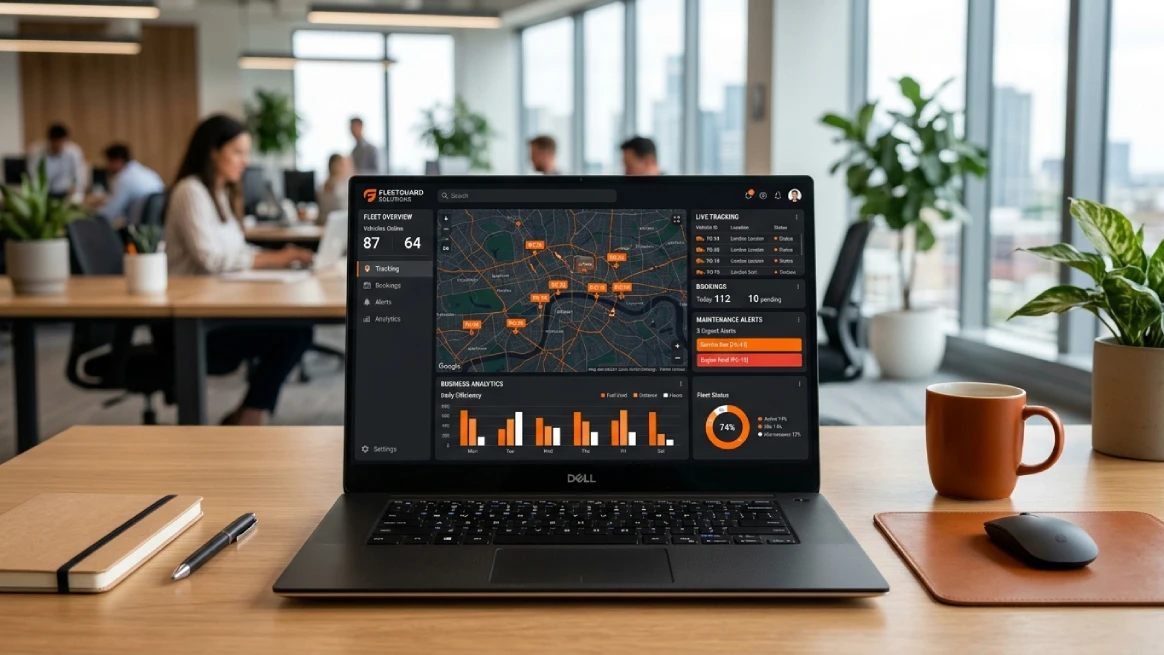
Manual processes can hurt your profits as your fleet grows. The right technology saves time, cuts mistakes, and improves the customer experience, keeping your business running smoothly.
Build a Smarter and More Efficient Rental Operation
Technology lets you manage more bookings without drowning in admin work. A central dashboard brings bookings, schedules, and customer conversations together in one place. This saves you significant time every single day.
Real-time fleet scheduling instantly shows which trucks are available, reserved, or under maintenance. Paired with online booking and live availability calendars, customers can reserve trucks anytime without waiting for manual confirmation from you.
Digital contracts store rental agreements, inspection reports, and electronic signatures securely in one place. Your built-in CRM keeps customer records and rental preferences organized. Your repeat bookings get surprisingly simple and stress-free to handle.
Automated payment processing handles deposits, invoices, and reminders while improving your overall cash flow. You'll also benefit from maintenance scheduling and inventory tracking that reduce costly downtime across your growing fleet.
Business reporting gives you clear visibility into profitable trends and operational gaps. Whether you're starting out or scaling up, the right platform supports smarter decisions and stronger results for your food truck rental business.
Key Performance Metrics
Monitoring key metrics helps you see whether your rental operation is moving in the right direction. A few key numbers give you a clear picture of performance. They help you spot issues early and make smarter decisions.
Fleet utilization rate shows how often your trucks earn income. Low utilization may point to pricing or scheduling gaps. Fixing these early protects your revenue before small issues grow into bigger problems.
Revenue per truck highlights your top performers. Average rental duration reveals booking patterns that shape your pricing strategy. Monitoring maintenance costs also helps you decide when retiring older vehicles makes better financial sense.
Customer acquisition cost shows how efficiently your marketing budget attracts new business. Pair this with your repeat customer rate, which reflects satisfaction levels and helps you gauge long-term stability.
Strong repeat booking rates often reduce marketing spend while keeping revenue steady. Whether you're refining operations or reviewing insurance for rental business needs, these metrics give you the clarity to move forward with confidence.
Step 8: Market Your Food Truck Rental Business & Maximize Revenue

Building a great fleet isn't enough. Bookings keep your business moving. A strong marketing strategy helps you attract new customers and get more value from every rental.
Build a Strong Digital Presence
Most customers search online first, so your digital presence directly impacts bookings. A fast, mobile-friendly website with location-specific pages helps renters find you quickly and builds immediate trust with visitors comparing their options.
SEO for your rental business drives consistent organic traffic year-round. Publishing helpful guides, pricing pages, and FAQs builds credibility while ranking for local food truck rental keywords that attract ready-to-book customers straight to your site.
Your Google Business Profile strengthens local visibility significantly. Quality fleet photos, updated hours, and positive customer reviews make your business easier to discover in Google Maps and more appealing to potential renters searching nearby.
Expand your reach further through targeted pay-per-click advertising, engaging social media content, and email marketing campaigns. These channels generate qualified leads and encourage repeat bookings long after customers leave your website.
For extra support, RentMy Marketing Services offers SEO, paid ads, and tailored campaigns. Everything is built specifically to help rental businesses grow smarter and faster throughout the season.
Build Strategic Partnerships
Advertising alone won't carry your entire marketing strategy. The right business relationships can keep referrals coming while putting your rental fleet in front of customers who regularly need temporary mobile food facilities.
Restaurant associations and business incubators connect with entrepreneurs exploring new food concepts. Building relationships with these organizations positions you as a trusted provider for businesses entering the mobile food industry.
Event planners, festival organizers, catering companies, and wedding venues regularly need reliable food trucks for short-term events. Becoming their preferred rental partner generates repeat bookings without requiring constant advertising or aggressive sales efforts.
These relationships become more valuable over time. One successful project can lead to referrals and long-term contracts. Over time, you'll find yourself serving larger events, seasonal festivals, and growing restaurant businesses in your area.
Grow Through Referral Marketing
Happy customers are your best marketing tool. Referrals build trust in ways traditional advertising simply can't. A recommendation from a satisfied client carries far more weight than any ad campaign.
Reward customers with referral credits, booking discounts, or loyalty incentives. Simple rewards encourage repeat business while motivating clients to recommend your services to friends, colleagues, and professional contacts.
Referral partnerships with event planners, caterers, and venues work brilliantly too. Offering commissions or mutual referral agreements builds long-term relationships that consistently deliver qualified leads throughout the year.
Repeat customer discounts also boost referrals. Rewarding loyalty lowers acquisition costs, keeps customers coming back, and makes them less likely to turn to competitors next time.
Common Challenges in a Food Truck Rental Business (and How to Overcome Them)
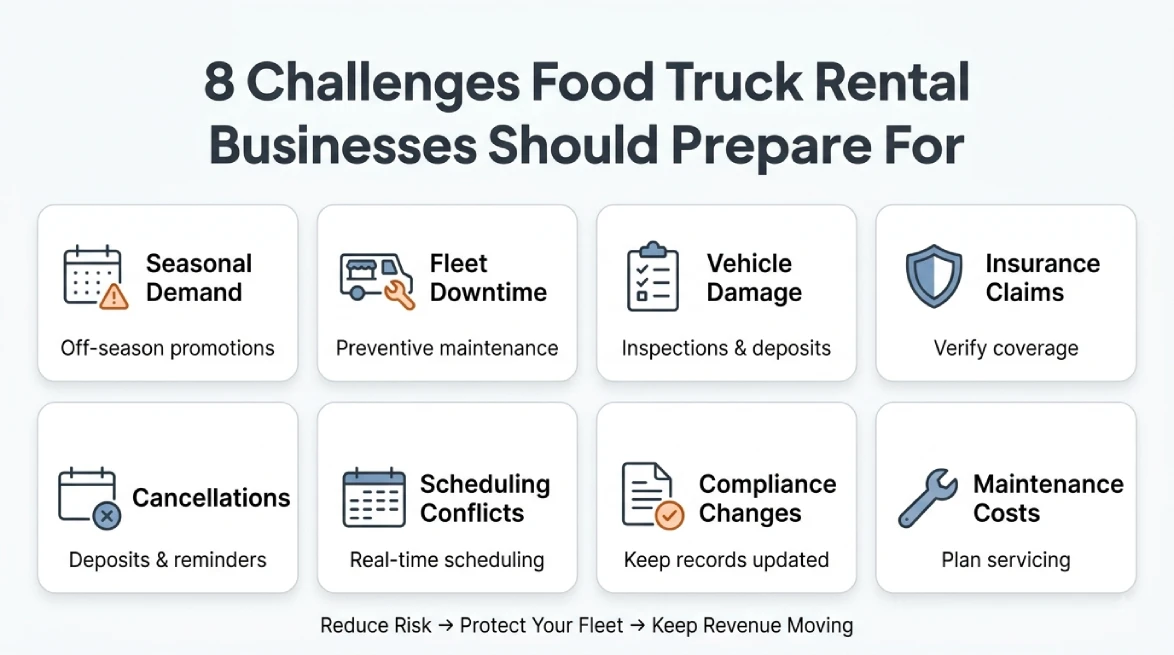
Starting a rental business or running it comes with real challenges. But right preparation makes these challenges much easier to manage. Here are some of the most common challenges food truck rental businesses face and practical solutions to overcome them.
| Challenge | Business Impact | Recommended Mitigation Strategy |
|---|---|---|
| Seasonal demand | Lower fleet utilization and uneven cash flow | Diversify customer segments, promote off-season offers, and secure long-term rentals |
| Fleet downtime | Lost bookings and reduced revenue | Follow preventive maintenance schedules and service trucks regularly |
| Vehicle damage | Higher repair expenses and lower asset value | Perform detailed inspections, collect security deposits, and document vehicle condition |
| Insurance claims | Financial losses and legal exposure | Maintain commercial insurance and verify renter coverage before every booking |
| No-shows and cancellations | Empty calendar slots and lost income | Require deposits, enforce cancellation policies, and automate reminders |
| Scheduling conflicts | Double bookings and poor customer experience | Use rental software with real-time fleet availability |
| Compliance changes | Fines, permit issues, and operational delays | Review regulations regularly and keep documentation updated |
| High maintenance costs | Reduced profitability | Plan vehicle replacement cycles and prioritize preventive servicing |
Why Food Truck Rental Companies Choose RentMy

Running a food truck rental business means balancing bookings, contracts, payments, inspections, and customer communication all at once. The right software can bring everything together and make your day a whole lot easier.
RentMy is an all-in-one rental platform built to simplify your operations. Customers can browse your fleet, check availability, and book online anytime, reducing manual work and preventing costly double bookings.
Paperwork becomes effortless too. Digital agreements, e-signatures, automated invoicing, and secure payment processing keep every booking organized from reservation to final payment, without jumping between different tools.
Beyond bookings, RentMy help keeps you on top of maintenance schedules, tracks fleet performance, and makes smarter pricing decisions. Built-in CRM tools keep your customer records and communication in one tidy place.
Whether you run one location or several, RentMy's mobile-friendly dashboard keeps you connected on the go. It's worth exploring if you're looking to simplify your daily operations and grow with confidence.
Keep Every Food Truck Rental on Track
Manage bookings, availability, payments, and fleet operations from one place.
- See how RentMy can simplify your rental operation.
Conclusion
Well, that’s a wrap. We’ve explored how to start a food truck rental business, from choosing trucks and securing funding to pricing rentals, managing risks, and attracting customers.
A profitable fleet doesn’t happen by accident. It comes from smart decisions, reliable systems, and steady attention to what renters actually need. Start learning, learn quickly, and improve constantly.
Your first truck doesn’t need to become a massive fleet overnight. It simply needs to prove the model. Find your market, serve renters well, protect your assets, and let demand guide your next move.
FAQs
What Is the Cheapest Way to Start a Food Truck?
Starting with a food cart, basic trailer, or well-maintained used unit can reduce your upfront investment. Current estimates put food carts around $5,000–$10,000 before permits and other startup expenses, while full food trucks can cost $75,000 to $250,000 or more.
How Profitable Is a Food Truck Business?
Food trucks can be profitable, but results vary widely by location, operating model, sales volume, labor costs, and other expenses. Current industry estimates often place gross annual revenue around $250,000–$500,000, while typical net margins are commonly reported around 6–9%.
Do You Have to Have an LLC to Run a Food Truck?
No. In the U.S., you generally don't have to form an LLC to operate a food truck. Depending on your situation, you may operate as a sole proprietor or choose another legal structure.
Where Can You Legally Park a Food Truck?
Food trucks may be allowed on designated public streets, private property, food truck parks, and event venues, but parking and vending rules vary by city and jurisdiction. You may need permits, zoning approval, or written permission from a property owner.
What Type of Food Truck Is Best for a Rental Business?
Versatile trucks with adaptable kitchen layouts can serve more customers. Consider units that support popular concepts while offering reliable refrigeration, cooking equipment, power systems, storage, and workspace.