

Explore the Content
- Key Rental Industry Statistics for 2027
- Rental Industry Market Size and Growth Statistics
- Equipment Rental Industry Statistics
- Rental Industry Trends and Demand Statistics
- Rental Booking and Online Rental Statistics
- Rental Pricing and Revenue Statistics
- Rental Inventory Utilization and Asset Management Statistics
- Rental Payment and Digital Technology Statistics
- Rental Delivery, Logistics, and Fulfillment Trends
- Rental Customer Behavior and Retention Statistics
- Major Rental Industry Trends to Watch in 2027
- What These Rental Industry Statistics Mean for Rental Businesses
- Conclusion
- FAQs
Is renting the smartest money move of the decade, or just hype wearing a nice hat? A closer look at rental industry statistics reveals why it matters to property owners, aspiring entrepreneurs, and people planning their next rental.
Let’s be real: making decisions without reliable data feels like driving through fog. Missing an important change in demand can leave you with empty units, equipment sitting unused, or a lease that costs too much.
Fortunately, the fog lifts right here. This blog gathers market numbers, growth patterns, customer behavior, and a few rental business ideas into one friendly guide. Ready to see what the data tells us? Let’s get started.
Key Rental Industry Statistics for 2027

Want to know where the rental industry is heading? These statistics bring together market forecasts, booking trends, and equipment rental data from trusted industry associations and research firms.
| # | Statistic | Figure and period | Source | What it means |
|---|---|---|---|---|
| 1 | U.S. equipment and tool rental revenue | $83.5 billion in 2026 | ARA forecast, August 2026 | Includes rentals of construction machinery, industrial equipment, and general-purpose tools. |
| 2 | U.S. equipment rental growth | 4.4% in 2027 | ARA forecast, August 2026 | Indicates expected growth, not the final result for 2027. |
| 3 | European equipment rental turnover | €35.5 billion in 2026 | ERA market report, 2026 | Forecast across 17 European countries, covering approximately 95% of the sector represented by the research. |
| 4 | Global construction equipment rental market | $213.7 billion in 2025; projected $339.0 billion in 2033 | Grand View Research | The publisher forecasts a 6.1% compound annual growth rate (CAGR) for 2026–2033. |
| 5 | Global car rental market | $149.9 billion in 2024; projected $278.0 billion in 2030 | Grand View Research | The publisher forecasts a 10.5% CAGR for 2025–2030. The 2024 figure is a base-year estimate. |
| 6 | Online car rental bookings | More than 71% of global car rental revenue in 2024 | Grand View Research | Online channels account for a substantial share of estimated car rental revenue. This is not an all-rental-industry figure. |
| 7 | Online RV rental bookings | 61.55% of global RV rental revenue in 2025 | Mordor Intelligence | A modeled estimate. Results may differ across research providers because their methods and definitions vary. |
| 8 | Contractor equipment rental participation | 72.2% in 2025, versus 69% in 2024 | EquipmentWatch, 2025 report | Survey finding from 125+ U.S. construction contractors, not a census of rental companies. |
| 9 | U.S. party-supply rental businesses | 9,849 in 2026, up 1.8% from 2025 | IBISWorld | Counts businesses in a specific rental category. It does not measure industry revenue. |
The numbers point to several growth opportunities in 2027. Equipment rental markets are expected to expand, contractors continue to rent equipment, and digital channels drive significant car and RV rental revenue.
For businesses investing in online rentals, these trends highlight the value of easy booking and accurate inventory management.
Keep in mind that the figures cover different countries and rental categories. Forecasts are projections, not confirmed results. Survey findings reflect the respondents studied, so use these numbers as useful benchmarks rather than direct comparisons across the entire rental industry.
Rental Industry Market Size and Growth Statistics
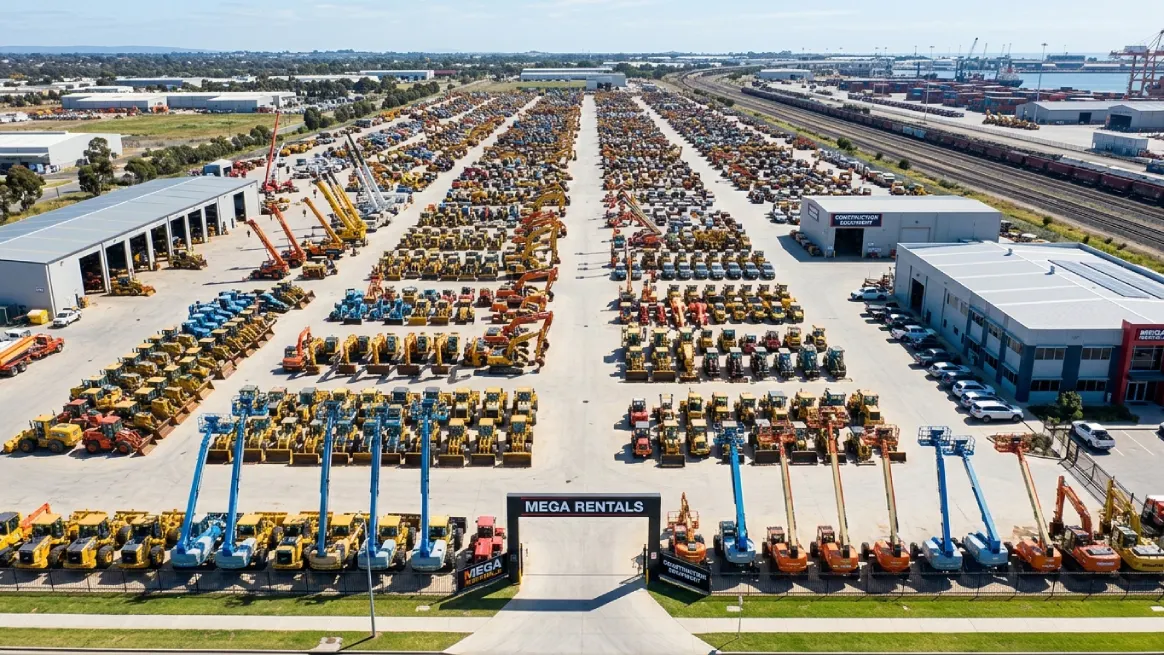
The rental industry covers many markets, from construction equipment and tools to cars. Each serves different customers, so market size and growth rates can vary. Looking at each market separately helps you spot growth opportunities.
U.S. Equipment and Tool Rental Market
The American Rental Association (ARA) projects that U.S. construction, industrial equipment, and general tool rentals will generate $83.5 billion in revenue in 2026. Its August 2026 forecast also predicts 4.4% growth in 2027.
These figures point to continued growth in a major rental market. For rental operators, this outlook offers useful context when planning equipment purchases, setting rental prices, and managing inventory.
If you're learning how to start a rental business, look beyond national forecasts. Research local demand, startup costs, and nearby competitors before investing.
IBISWorld offers another view of the market. It estimates that the U.S. tool and equipment rental industry earned $5.7 billion in 2025, growing by 2.6%.
This figure covers a different market scope from the ARA forecast. For anyone running or planning an equipment rental business, the best data is the data that matches your equipment, customers, and location.
European Equipment Rental Market
The European Rental Association (ERA) expects equipment rental turnover across 17 European countries to reach €35.5 billion in 2026. That would mean growth of 1.6% for the year.
The ERA also predicts average yearly growth of 1.8% from 2025 to 2027. This measure is called the compound annual growth rate (CAGR). It shows how quickly a market grows each year over a set period.
For European rental businesses, these figures offer useful regional context. Before expanding, check local demand, construction activity, equipment costs, and competition to decide whether growing your fleet makes sense.
Global Construction Equipment Rental Market
Grand View Research estimates that the global construction equipment rental market reached $213.7 billion in 2025. The firm expects it to grow to $339.0 billion by 2033, with a forecast annual growth rate of 6.1% from 2026 to 2033.
Contractors can access heavy machinery for their projects without purchasing every piece of equipment themselves. It also helps them choose equipment that fits each project's needs.
For rental operators, this forecast offers a useful view of the wider market. Before growing your fleet, check which machines customers need, how often they rent them, and whether rental income can cover equipment and repair costs.
Global Car Rental Market
Grand View Research estimates that the global car rental market was worth $149.9 billion in 2024. The firm expects it to reach $278.0 billion by 2030, with a forecast annual growth rate of 10.5% from 2025 to 2030.
Car rental demand works differently from demand for tools or construction equipment. Tourism, business trips, airport traffic, transport options, and holiday seasons can all affect bookings.
If you're thinking about starting a car rental business, look beyond global growth figures. Check local demand, vehicle costs, booking habits, and competition before deciding whether the market is right for you.
Disclaimer: Figures use different market definitions and methods. Forecasts are not confirmed results. Please use these numbers to understand trends, not compare rental categories directly or predict your business performance.
Equipment Rental Industry Statistics
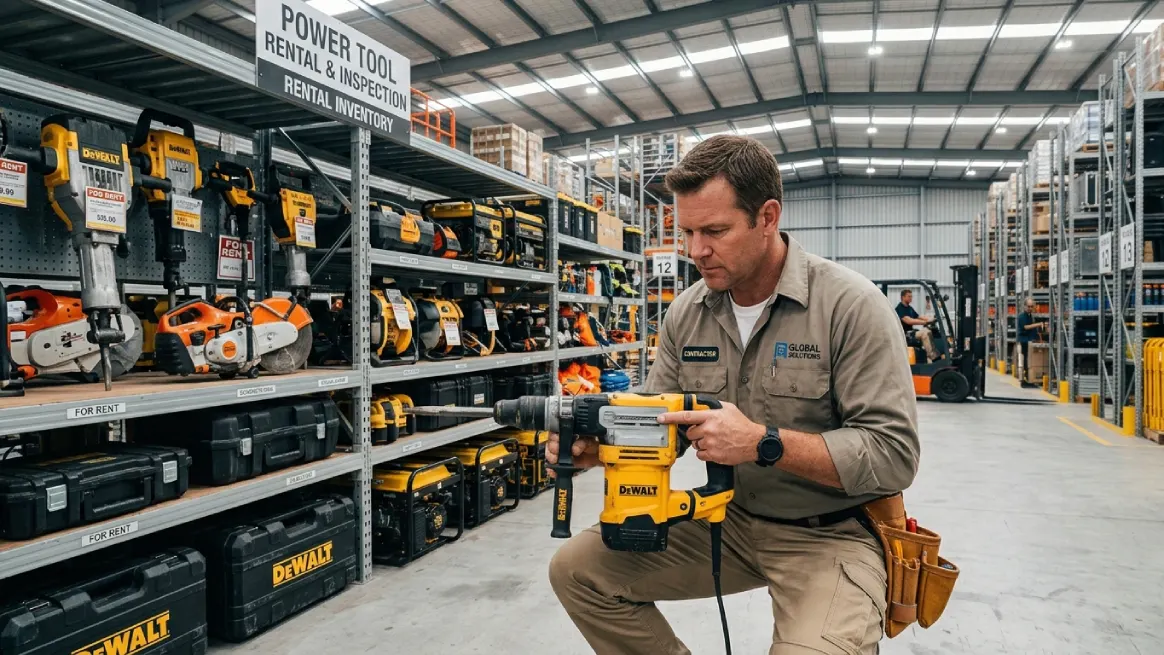
Equipment rental industry statistics show how contractors use rented machines and when renting may make more sense than buying. These figures also help explain how businesses manage their fleets and respond to changing demand.
Equipment Rental Penetration and Contractor Demand
In 2025, construction and industrial equipment rental penetration reached 59.5%, according to the American Rental Association (ARA), as reported by International Rental News. This measures the share of active equipment fleets that are rented.
EquipmentWatch found that 72.2% of surveyed U.S. construction contractors rented equipment in the previous 12 months in 2025. That was up from 69% in 2024. The survey included more than 125 contractors.
The same research found that 74% of equipment owners also rented machines. This shows that owning and renting can work well together. Contractors can keep frequently used machines in their own fleet and rent additional equipment when a project calls for it.
Contractor Fleet Composition
EquipmentWatch's 2025 research found that surveyed contractors used a mix of owned, rented, and leased equipment. Here is how their reported fleets were divided:
| Fleet arrangement | Reported share |
|---|---|
| Owned | 63% |
| Rented | 22% |
| Leased | 15% |
Each option serves a different need. Owning gives contractors direct control, renting offers flexibility, and leasing provides access through an agreed contract. The right mix depends on how often equipment is needed.
For rental operators, reliable equipment tracking helps keep business running smoothly. Knowing where machines are, when they are available, and which need repairs makes planning easier. These survey figures do not show one ideal fleet mix for every business.
Rental Versus Ownership Economics
A common industry rule of thumb says renting may cost less when equipment is used for less than about 40% of the available time. However, this is a guideline, not a fixed rule for every business.
The best choice depends on rental rates, loan costs, repairs, storage, transport, and how often a machine is used. Buying may suit equipment needed daily, while renting may work better for occasional projects.
Rental operators can also check how often each asset earns money and how long it sits unused. Better scheduling and clear availability records can help you optimize inventory and spot equipment that may be underused.
Make a fair comparison by weighing every ownership expense against the rental cost over an equal period. Equipment type, local rates, and project needs can all change the result.
Rental Industry Trends and Demand Statistics
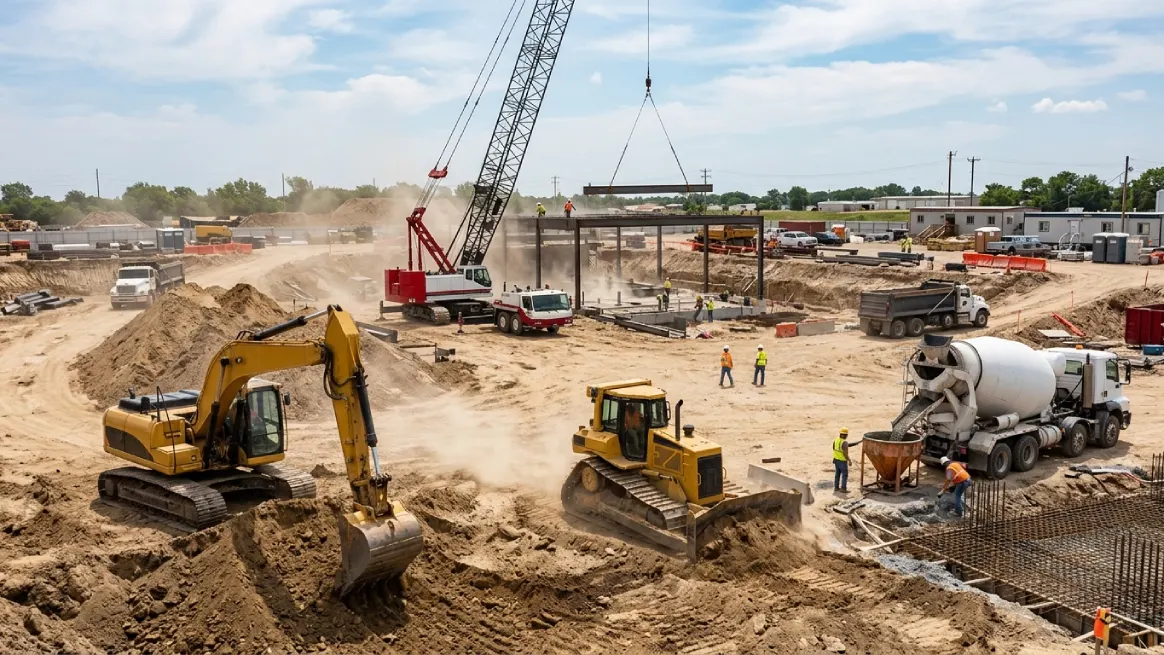
Rental demand varies across equipment, vehicles, party supplies, and furniture. Looking at each category separately helps you see where growth is expected and where local research is still needed.
Construction and Industrial Equipment Demand
The American Rental Association (ARA) forecasts $83.5 billion in U.S. construction, industrial, and general tool rental revenue for 2026. It also expects revenue to grow by 4.4% in 2027.
Another measure offers a closer look at how contractors use equipment. Rental penetration reached 59.5% in 2025, meaning rented machines made up that share of active construction and industrial equipment fleets.
EquipmentWatch found that 72.2% of surveyed U.S. contractors rented equipment in 2025, up from 69% in 2024. Together, these figures show that renting is an important part of construction. Demand can still vary by region and equipment type.
Vehicle Rental Demand
Grand View Research estimates that the global car rental market was worth $149.9 billion in 2024. The firm expects it to reach $278.0 billion by 2030, with a forecast annual growth rate of 10.5% from 2025 to 2030.
This forecast points to possible growth in car rentals, but results will vary by country. Tourism, business travel, airport traffic, and local transport options can all affect how often people rent cars.
ConsumerAffairs reports that about 48 million Americans used a car rental service in 2023, equal to roughly 18% of U.S. adults. It counts people who used a rental service, not the number of rental transactions.
If you're considering a car rental business, treat this figure as a reported estimate rather than a verified count of unique renters. Check local travel patterns, vehicle costs, booking habits, and competition before making investment decisions.
Party, Furniture, and Specialty Rental Demand
IBISWorld estimates that the U.S. had 9,849 party-supply rental businesses in 2026, up 1.8% from 2025. This count shows the number of businesses in the category, not total revenue or customer demand.
The same publisher estimates that U.S. home furniture rental revenue will reach $1.2 billion in 2026, down 1.2%. This category excludes appliances, electronics, and office furniture, so it measures a different market.
If you're planning a party rental business or exploring furniture rentals, these figures offer a useful starting point. Local events, seasonal demand, customer preferences, and competition will help you decide which products to offer.
Rental Booking and Online Rental Statistics

Booking online is now an important part of several rental markets, especially car and recreational vehicle (RV) rentals. These figures offer useful clues about how customers find and book rentals.
Online Car Rental Bookings
Grand View Research estimates that online bookings accounted for more than 71% of global car rental revenue in 2024. This suggests that digital channels play a major role in how people rent cars.
This figure measures estimated revenue from online bookings, not the share of all rental transactions completed online. It applies to car rentals, so it should not be treated as a measure of the entire rental industry.
For rental operators, this is a good reason to review their online presence. A clear rental website can help customers explore options, check prices, and understand rental terms before making a booking.
Online RV Rental Bookings
Mordor Intelligence estimates that online bookings accounted for 61.55% of global recreational vehicle (RV) rental revenue in 2025. Though this is a market estimate, not a direct count of every RV rental booking worldwide.
The figure suggests that online channels play a major role in RV rentals. However, each research firm may use its own market boundaries, data sources, and calculation methods. For this reason, the RV estimate should not be compared directly with the car rental figure.
RV operators can use this finding as a reason to review their booking process. A simple rental booking system helps customers check dates, understand prices, and request reservations with less back-and-forth.
Implications for rental businesses
These figures do not mean every rental business needs the same online strategy. They do show why it's worth checking whether customers can find your products, view availability, and request bookings online.
Start by testing your website on a phone and computer. Are prices and rental terms easy to find? Can customers check dates quickly? Are booking forms simple to complete? Fixing small problems can make the process easier.
Self-service tools can also answer routine questions and help customers book at their own pace. Choose features that suit your rental category and customers, then track your own booking data to see what works.
Ready to upgrade your online rental experience?
70%+ of bookings are now online. Upgrade to 24/7 checkout, instant availability, and automated deposits.
- Free trial
- No credit card required
Rental Pricing and Revenue Statistics

Rental revenue depends on what you rent, how much you charge, and how often customers book your assets. These statistics show the size of key rental markets and offer useful context for pricing decisions.
Market revenue and growth
The American Rental Association (ARA) forecasts $83.5 billion in U.S. construction, industrial, and general tool rental revenue for 2026. It also expects construction and industrial equipment revenue to grow by 4.4% in 2027.
IBISWorld estimates that the U.S. tool and equipment rental industry generated $5.7 billion in 2025, up 2.6%. This covers a narrower market than the ARA forecast, so the figures should not be compared directly.
Global estimates also point to growth in specific rental categories. Grand View Research values the construction equipment rental market at $213.7 billion in 2025 and the car rental market at $149.9 billion in 2024.
Rental pricing and the rent-versus-buy decision
A commonly cited rule of thumb suggests renting may cost less when equipment is used for less than about 40% of the available time. This is only a guideline, not a proven industry-wide benchmark.
The right choice depends on rental rates, loan costs, repairs, storage, transport, and how often a machine is needed. When setting equipment rental prices, weigh these expenses against demand in your area and the rates charged by competing businesses
EquipmentWatch's 2025 survey reported an average fleet mix of 63% owned, 22% rented, and 15% leased among respondents. These figures describe the reported share of each firm's fleet, not its profit or the ideal mix for every business.
To measure return on investment (ROI), compare rental income with the full cost of buying, maintaining, storing, and operating each asset. The research collected so far does not establish a reliable industry-wide average rental rate, booking value, or profit margin.
Rental Inventory Utilization and Asset Management Statistics
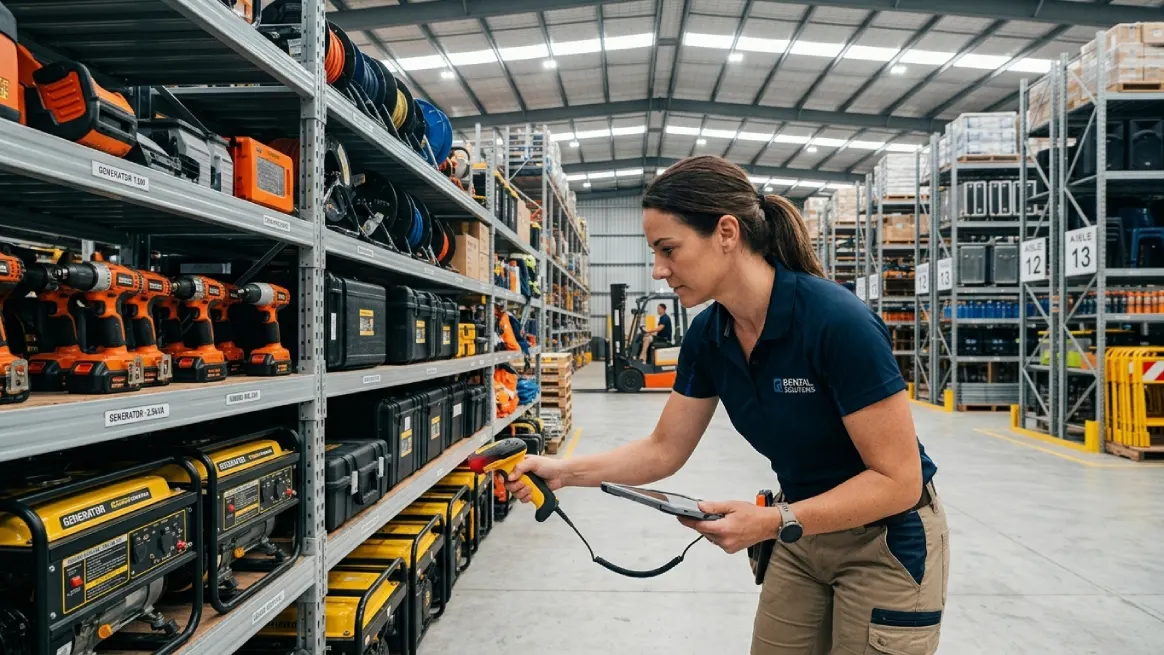
Rental equipment needs to be ready when customers want it. At the same time, unused assets can still cost money. Tracking use, availability, and maintenance helps rental operators manage their fleets more effectively.
Equipment utilization and productivity
Equipment utilization measures how much of the available time an asset is in use. Tracking this figure helps rental operators spot busy equipment, unused assets, and possible gaps between inventory and customer demand.
A commonly cited rule of thumb suggests renting may cost less when equipment is used for less than about 40% of the available time. This guidance concerns whether to rent or buy, not the ideal utilization rate for a rental company.
Another useful measure is rental penetration. Construction and industrial equipment rental penetration reached 59.5% in 2025, according to the ARA figure reported by International Rental News. This measures rented equipment's share of active total fleets, not how often individual machines are used.
These measures answer different questions. Penetration shows the role of rental equipment across fleets, while utilization shows how much an asset is used over time. Keeping them separate helps businesses avoid misleading comparisons.
Practical implications
Start by tracking a few simple measures: availability, time in use, downtime, maintenance history, and booking frequency. Reviewing these records helps you see which assets earn regular rental income and which may need attention.
Accurate equipment inventory records make it easier for staff to check availability before confirming orders. When booking details match inventory records, teams can plan schedules, arrange repairs, and assign equipment with greater confidence.
No single tool guarantees higher utilization or better profits. The real value comes from using accurate information to make better daily decisions. Track your results over time to see what works for your business.
Rental Payment and Digital Technology Statistics

Digital payments are now a common part of everyday shopping. For rental businesses, wider payment trends offer useful ideas for making checkout easier. However, general payment data does not show exactly how rental customers pay.
Global Digital Payment Trends
According to Worldpay, digital wallets accounted for 56% of global online spending and 33% of in-person spending in 2025. These figures describe payment methods across markets, not rental-specific transactions.
Worldpay also reported a major historical shift in e-commerce payments. The share of global online shopping value paid through digital methods increased from 34% in 2014 to 66% in 2024. This shows broader changes in how people pay online, not rental technology adoption.
These figures offer useful context, but they solely should not be treated as evidence that rental customers prefer digital wallets. Payment habits can vary by country, customer type, rental category, and transaction size.
U.S. Online Payment Methods
Global Payments reported that digital wallets accounted for 40% of U.S. online spending in 2025, while direct card payments accounted for 49%.
When using these numbers, keep the source's payment categories clear. Digital wallets and direct card payments may be defined differently by each report, so don't assume their figures always measure separate groups.
For rental businesses, the takeaway is simple: make payment choices easy to understand. Review which methods your customers use, what your payment provider supports, and whether any fees could affect your costs.
What Payment Technology Means for Rental Businesses
Payment trends can help you review whether your checkout offers convenient ways to pay. Consider your customers' habits, the payment services available to your business, and any fees or setup needs before making changes.
Before customers place a booking, show the deposit amount, rental fees, and payment schedule in plain language. Well-designed online rent payment systems can make these details easier to understand and help customers know what to expect.
Payment tools are just one element of the overall rental experience. Rental management software can also connect bookings, payments, inventory, and customer records. Choose tools that fit your daily work and reporting needs.
Rental Delivery, Logistics, and Fulfillment Trends
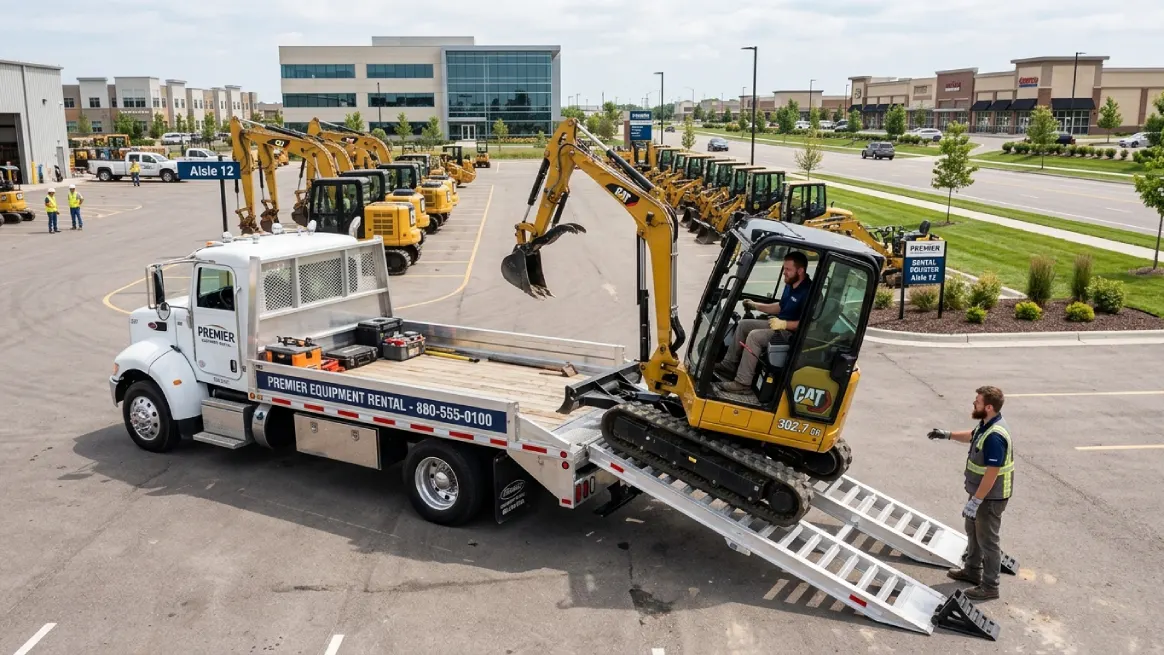
Delivery affects how rental businesses prepare orders, plan routes, and manage returns. Wider logistics research offers useful context, but it does not provide direct benchmarks for rental companies.
Same-Day Delivery Investment
Bringg's 2025 State of the Last Mile report found that 60% of surveyed organizations planned to invest in same-day delivery. However, this is a general logistics finding, not a measure of rental businesses' plans.
The report surveyed more than 500 senior logistics leaders in the United States and United Kingdom. It offers a look at wider delivery plans, but it does not show how many rental companies plan to offer faster service.
For rental operators, faster delivery may appeal to some customers, but it isn't right for every order. Equipment size, travel distance, preparation time, and customer needs all affect what your team can deliver reliably.
What the Findings Mean for Rental Operators
Start by checking whether your delivery times match your inventory and preparation schedules. Every item should be ready before the delivery vehicle leaves. Clear schedules can help prevent delays and missed bookings.
Next, look at how pickups, returns, and preparation fit together. A late return can affect the next customer, while unclear handoff steps can leave staff unsure whether equipment is ready to rent again.
Remember to include fuel, labor, transport, and other delivery costs when setting fees. Offer pickup and delivery choices when both are practical, and explain any extra charges before customers book.
A clear equipment checkout system can help staff track handoffs, pickups, and returns. Record each item's condition when it leaves and comes back, then flag anything needing cleaning, inspection, or repair.
The available research does not establish rental-wide benchmarks for delivery costs, delivered order shares, or fulfillment improvements. Track your own results to find ways to improve service without promising gains the data cannot support.
Rental Customer Behavior and Retention Statistics
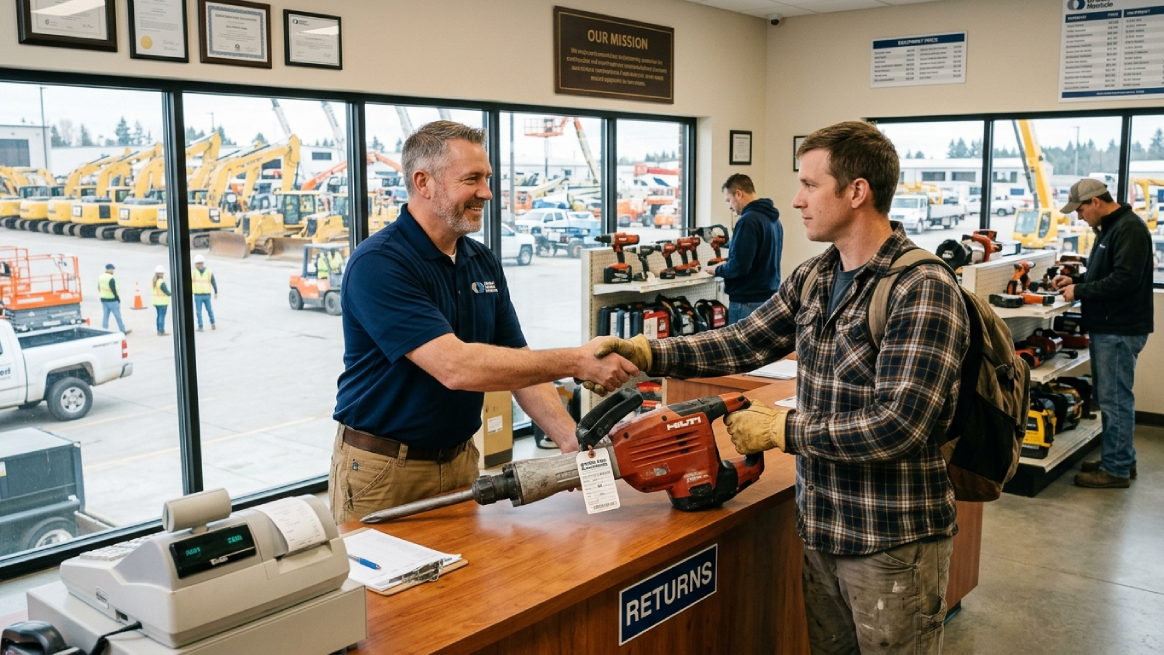
Clear pricing and reliable service help customers know what to expect. Even without broad data on customer returns, rental operators can focus on clear communication and reliable service to make the experience more comfortable for customers.
Pricing Transparency and Fee Disclosure
The Zillow Consumer Housing Trends Report 2025 found that 94% of surveyed U.S. renters wanted all fees clearly listed. It also found that 90% wanted the option to skip services they did not use.
Their report from 2024 found that 77% preferred fees to be included in total rent. These findings reflect housing renters, not customers renting equipment, vehicles, party supplies, or other short-term rental items.
Even so, these results highlight a useful business practice: make prices easy to understand. Show rental rates, deposits, delivery fees, optional services, and possible extra charges before customers confirm an order.
Clear terms also help customers plan ahead. Explain payment dates, return deadlines, and any late or damage fees in simple language. When customers know what to expect, they can make informed choices before renting.
Building a Reliable Rental Experience
Good customer service involves more than clear pricing. Customers expect up-to-date availability, clear communication, equipment prepared as promised, and an easy way to return their rentals. These steps help create a smoother rental experience.
Worldpay reported that digital wallets accounted for 56% of global online spending and 33% of in-person spending in 2025. While these figures cover general payments, they offer a useful reason to review your checkout options.
Start by reviewing customer feedback, booking records, and support requests. If people often ask about prices or availability, make those details easier to find. If returns cause delays, review your handoff and inspection steps.
To get more bookings for your rental business, make every step clear and dependable, from the first inquiry to the final return. Track bookings and repeat customers over time to see which changes work best for your business.
Major Rental Industry Trends to Watch in 2027

Rental businesses serve a wide range of markets, including construction machinery, passenger cars, and recreational vehicles. The research points to several trends worth watching in 2027. Understanding what the numbers mean can help you make smarter business decisions.
Equipment Rental Remains a Substantial Market
Market forecasts show that equipment rental remains a major business in the United States and Europe. However, growth expectations vary by region, and some reports cover different types of equipment. Always check what each figure measures before comparing markets.
For 2027, the key question is whether demand in your area supports further investment. National forecasts offer useful context, but they cannot predict results for your business. Local demand, equipment costs, and competition should guide your plans.
If you're thinking about growing your fleet, start with the equipment customers request most often. Review booking records and local project activity before buying more assets. This helps you focus on real opportunities rather than relying on market forecasts alone.
Digital Bookings Matter in Vehicle Rental
Online bookings account for a large share of estimated revenue in global car and recreational vehicle (RV) rental markets. These figures show that digital booking matters in these categories, but they do not describe every rental business.
For other rental operators, the lesson is to review how customers find products, check availability, and place orders. A simple online booking process may help customers reserve items more easily, depending on their needs.
Start by checking your own booking data. Are customers leaving before completing a reservation? Do they contact staff to ask about prices or availability? Finding these gaps can help you improve the process without adding tools your business doesn't need.
Renting and Owning Can Work Together
Survey findings suggest that contractors often use a mix of owned, rented, and leased equipment. They may own machines they use regularly and rent extra equipment for busy periods or special projects.
This approach offers flexibility, but the right mix depends on each business. Equipment type, project length, maintenance needs, cash flow, and access to rental suppliers can all affect whether renting or buying makes more sense.
Rental operators can use these findings to understand customer needs. Keep popular equipment available and review which items customers may need only for short periods. Your own booking history can help guide purchasing and inventory decisions.
Digital Payments Are Changing Across Commerce
Digital wallets and other digital payment methods play a growing role in wider commerce. Worldpay reported that digital wallets accounted for 56% of global online spending and 33% of in-person spending in 2025. These figures cover general spending, not rental transactions specifically.
In 2027, review whether your payment process meets your customers' needs. Consider payment choices, deposits, clear charges, and how easily customers can complete a booking.
Ask customers which payment methods they prefer and review your transaction records. A simple checkout with clear payment terms can make the process easier to follow. The best options depend on your customers, payment provider, and operating costs.
Delivery and Asset Data Deserve More Attention
Bringg's 2025 logistics research found that 60% of surveyed organizations planned to invest in same-day delivery. This points to wider interest in faster service, but it does not show how many rental businesses plan to offer it.
Before promising faster delivery, consider your products, routes, staffing, and costs. Large machinery often requires dedicated transport, whereas compact rental items may be simpler to move on short notice. Choose service options your team can provide reliably.
Accurate asset records also help businesses plan ahead. Track availability, usage, downtime, and maintenance to understand how equipment performs.
Equipment rental software can bring bookings, inventory, payments, and operating records together, depending on the system. Choose tools that solve real problems and measure their results.
What These Rental Industry Statistics Mean for Rental Businesses

Industry statistics can help you understand market conditions and spot opportunities. The next step is to connect those findings to your own business using relevant comparisons, customer feedback, and reliable operating records.
Benchmark the Right Market
Compare your business with the rental category and region you actually serve. A global car rental estimate, for example, is not a fair benchmark for a local construction equipment rental company.
Before using a statistic, check its market definition, reporting period, and research method. Make sure you're comparing similar figures, such as revenue with revenue or business counts with business counts.
Use national and global data to understand wider trends, then look closer to home. Local demand, customer needs, and nearby competitors can give you a clearer picture of where your business may have room to grow.
Review Online Booking Options
Look at how customers find your products, check availability, and complete reservations. Vehicle rental statistics offer useful context, but they do not set a target for every rental category.
Review customer questions and booking records to find where people may get stuck. If customers often call to confirm prices or availability, make those details easier to find online.
Explore online rental options that fit your products, booking rules, and customers' needs. The goal is to make renting easier, not to add technology simply because other businesses use it.
Track Fleet Productivity
Check whether equipment is available when customers need it, how often it is rented, and how much time it spends out of service. Use the same measures each time so you can compare results fairly.
Review maintenance records alongside booking history. An asset may be rented often but still need frequent repairs or cause scheduling problems. Looking at both measures helps you understand how well each item supports your business.
Use these records when planning maintenance, managing availability, and deciding what to buy next. Focus on the equipment customers need most, while keeping enough time and budget for repairs and routine checks.
Compare the Full Cost of Renting and Owning
Do not base rent-versus-buy decisions on a single utilization rule. Consider how often you'll use the equipment, along with purchase costs, financing, maintenance, storage, transport, and how long you'll need it.
Review these costs as demand changes. Renting may suit short-term projects, while buying may make sense for equipment used often. The right choice depends on the asset, your budget, and the work ahead.
Before investing, estimate the full cost of each option over the same period. A clear comparison can help you manage cash flow, plan purchases, and avoid spending money on equipment that doesn't meet your needs.
Improve Checkout and Fulfillment
Review the full customer journey, from booking and payment to pickup or delivery and return. Make sure customers understand every charge, booked items are prepared as scheduled, and staff document each transfer accurately.
Use customer feedback and operating records to spot recurring problems. If late deliveries or unclear fees cause complaints, focus on fixing those issues before making bigger changes.
Test changes against your own results. Track booking completion, delays, customer questions, and return problems over time. This gives you a clearer view of what works for your business than relying on broad industry figures alone.
Conclusion
Phew, what a journey! We’ve covered market size, spotlighted growth drivers, and decoded renter behavior, all through the lens of rental industry statistics. Think of it as your pocket guide to smarter rental decisions.
Here’s the twist most people miss: numbers show where demand is, but only you decide where to show up. Opportunity favors the one who arrives early, listens closely, and keeps adjusting.
So, what’s your next move? Choose a niche, set a modest budget, and start and market a rental business that solves one real problem. Share your progress, because every journey deserves a little cheering.
FAQs
What Is the Difference Between Rental Market Size and Rental Revenue?
Market size estimates the value of a rental sector, while rental revenue measures income earned during a period. Always check the source’s definition before comparing figures.
Why Do Different Reports Give Different Rental Market Estimates?
Reports may cover different products, regions, time periods, or business types. Some use surveys or industry data, while others model market value. Compare definitions before drawing conclusions.
How Can I Tell Whether a Rental Industry Statistic Is Reliable?
Check the original source, publication date, research method, sample size, geographic coverage, and market definition. Base your decisions on official publications and research that clearly explains its methods, not on claims without evidence.
Which Statistics Matter Most for a Small Rental Business?
Focus on demand in your category, booking frequency, asset utilization, maintenance costs, average rental value, and repeat customers. Tracking these figures helps you see how wider market changes relate to your own results.
How Can Rental Businesses Use Industry Trends to Plan Investments?
Compare market evidence with your own demand, costs, asset performance, and cash flow. Test assumptions before expanding inventory, adding delivery services, or investing in new technology.


