
Thinking about how to start a beach chair rental business that actually makes money? Wondering what equipment to buy, where to operate, and how to attract customers from day one? You're in the right place.
Beach tourism is booming, and so is demand for rentals. In fact, the global sports equipment rental market is set to hit $7.1 billion by 2034. Travelers are paying more than ever for comfort and convenience.
In this guide, you'll learn everything you need to know from permits and pricing to bookings and marketing. Let's build your beach rental business the smart way.
Is a Beach Chair Rental Business Profitable?

Yes, a beach chair rental business can be profitable, as long as it's in the right location and run efficiently. To be profitable, you'll need to attract steady customers, maximize equipment usage, and keep costs like permits, maintenance, storage, and labor in check.
The global sports equipment rental market was valued at $3.2 billion in 2025 and is projected to reach $7.1 billion by 2034, growing at a 9.3% CAGR. That's a clear signal that demand for beach rentals isn't slowing down anytime soon.
What makes this business even more exciting is its revenue potential. Beyond chairs, you can earn through umbrellas, cabanas, coolers, delivery services, resort partnerships, and premium packages; all without needing a flood of new customers.
Well-managed beach chair rental businesses can be profitable, with gross profit margins of 50–70%. Many operators earn back their initial investment within just one or two peak seasons, especially in busy tourist areas where demand stays strong throughout the season.
Here's a quick example: if you start with 50 commercial beach chairs rented at around $20 per day, annual revenue could exceed $70,000 under strong seasonal demand and consistent utilization.
Actual results will depend on occupancy, season length, pricing, weather, and local operating costs.
Of course, managing costs like permits, storage, insurance, and staffing is just as important as driving bookings, but with the right approach, this business is well worth exploring!
Disclaimer: These figures are illustrative examples based on average rental rates and industry data. Actual profitability depends on location, regulations, tourism demand, competition, pricing, operating costs, and weather. Always conduct thorough market research and consult a financial advisor before investing.
Market Demand and Industry Outlook
Before spending money on equipment or permits, it helps to know whether there's enough demand in your area. This will help you make better decisions about where to set up, what to charge, and how much you can realistically earn.
Coastal tourism drives demand for beach chair rentals, and according to the UN World Tourism Barometer, global travel has largely bounced back since the pandemic.
Before getting started, research how busy your beach gets. Look at visitor numbers, hotel occupancy, cruise arrivals, and local festivals; these all affect how many potential customers you'll have.
A simple way to estimate demand: if your beach draws 100,000 annual visitors and you capture just 2–5% during your operating season, that's roughly 2,000–5,000 rental transactions to start with.
The future looks bright for beach rental businesses. Travelers are spending more on experiences, and services like yours could be a perfect fit.
Just keep an eye on local weather patterns and environmental regulations. Businesses that stay adaptable and offer online bookings tend to do well in the long run.
Who Are Your Ideal Customers?
Knowing your customers helps you serve them better and grow your business more effectively. Different groups have different needs, and meeting those needs can boost both satisfaction and profits.
If you're targeting tourists, focus on making things easy: online booking, clean equipment, and fast setup will win them over quickly. For resort guests, think premium: reserved seating and room billing options go a long way, so consider partnering with nearby hotels to enter into that market.
At public beaches, quick and easy transactions win over walk-up customers like families and day visitors, so make sure your signage is clear. If you're targeting vacation rental guests on Airbnb or Vrbo, consider partnering with property managers to offer convenient doorstep equipment delivery.
Don't overlook local families, wedding planners, corporate groups, schools, and cruise passengers either. Offering flexible packages across these different groups helps you bring in bookings from multiple sources year-round.
Seasonal vs. Year-Round Markets
Your location shapes everything about how your beach chair rental business runs, from staffing needs to cash flow management.
If you're in a seasonal market, expect a surge of customers in summer and a quieter off-season. Use that busy period wisely with dynamic pricing and bundled packages.
The slower months? Perfect for equipment repairs, marketing improvements, and building hotel partnerships. Some operators even branch into party rentals to keep income flowing year-round.
In year-round coastal markets, you'll enjoy steadier demand and more consistent revenue. Think memberships, long-term hotel contracts, or subscription rentals to keep things running smoothly.
Whether seasonal or year-round, smart operators spread their reach across multiple beaches and adjust promotions for local residents during slower periods. This keeps your equipment busy and your revenue balanced throughout the year.
Understanding Beach Rental Business Models

Your business model shapes how you attract customers and grow over time. Many successful operators combine multiple models to reduce seasonal risk and boost revenue year-round.
Walk-up rentals keep things simple. Customers visit your stand, pick their gear, and pay on the spot. High foot traffic does most of the marketing for you.
As more travelers plan ahead, the online reservation model has taken off. Guests book equipment before arriving, while you enjoy better inventory control and fewer last-minute surprises.
Delivery and setup services bring equipment directly to your customers. This is especially popular with families, seniors, and groups who prefer a hassle-free experience.
The resort partnership model connects you with hotels and resorts and gives you a steady flow of guests without chasing daily beach traffic.
Finally, event and group Rentals help fill slower weekdays with weddings, reunions, and corporate gatherings. These bookings often generate some of your biggest revenue during the season.
As your business grows, consider expanding beyond chairs to offer umbrellas, loungers, cabanas, coolers, beach wagons, and games. Bundling these into packages increases booking value and enhances the customer experience.
It also opens doors to party and equipment rentals, which reduces your reliance on seasonal beach traffic.
8 Steps to Start a Beach Chair Rental Business
Starting a beach chair rental business takes more than just setting up chairs. With the right planning, research, and financial decisions, you can build something truly profitable. These 8 steps will guide you through launching a rental business that's organized and ready to grow.
Step 1: Research Your Market and Local Regulations

Before spending any money, get to know your market and local rules. Learning who your customers are and what rules apply before you launch makes it much easier to start on the right foot.
Evaluate Your Market and Competition
Before diving in, take some time to explore whether your chosen beach can actually support a rental business. Check visitor numbers, nearby hotels, seasonal tourism patterns, local events, and parking availability.
Better yet, visit the beach on different days and times to see where people naturally settle.
From there, look into tools like Google Trends to spot growing interest in rentals in your area. The data might surprise you in a good way!
Once you have a feel for demand, take a closer look at your competitors. Compare their pricing, equipment quality, customer reviews, booking options, and package deals. This helps you spot gaps you can fill rather than simply competing on price.
Finally, think about who you're really serving: tourists, families, resort guests, or vacation rental visitors. Getting clear on your ideal customer means you can shape your services around what they actually want.
Understand Legal and Permit Requirements
Every beach has different rules for commercial operators, so never assume the requirements are the same everywhere.
Before launching, check with your city, county, or beach authority to understand the permits, licenses, and approvals required to operate legally in your chosen location.
Depending on where you plan to operate, you may need a business license, beach vendor permit, concession agreement, sales tax registration, and commercial insurance. Hotels and resorts may also require separate contracts before allowing you to serve their guests.
Approvals can take weeks or months, so apply early. Keep your permits, insurance, and contracts organized. It'll save you time and hassle down the road.
Step 2: Create Your Beach Chair Rental Business Plan

Once you've confirmed demand and understand the legal requirements, it's time to build your business plan. A complete plan keeps you focused, helps manage growth, and ensures you're financially prepared. This is how you can avoid costly surprises after launch.
Define Your Business Strategy
Now that you know your market, let's turn your research into a clear business strategy..
Start by setting realistic business goals for your first year, such as the number of bookings you want to achieve, monthly revenue targets, or milestones like securing resort partnerships or expanding your rental inventory.
Clear goals help you measure progress and make informed business decisions.
From there, decide on your services. Beyond beach chairs, you might offer umbrellas, cabanas, coolers, delivery, or group packages. Some businesses even partner with nearby hotels for added convenience.
Next, decide exactly how your business will operate. Choose whether you'll serve a single beach or multiple locations, offer walk-up rentals, online reservations, delivery and setup services, or partnerships with hotels and vacation rentals.
When it comes to pricing, consider hourly, daily, and weekly rates, along with family packages or premium options. We'll take a closer look at pricing strategies in Step 5.
Finally, set your rental agreements, cancellation policies, and deposit requirements early. This keeps things consistent and ensures your customers always know what to expect from day one.
Build Your Financial and Growth Plan
Start by setting a clear budget. Your financial management strategies should cover startup costs like equipment, insurance, permits, branding, and emergency capital. This helps you avoid unexpected costs later on.
Next, figure out your break-even point. This is the number of bookings you need to cover your costs and start making a profit, a clear goal to aim for.
From there, your rental marketing plan can help you attract customers consistently. Use tools like local SEO, Google Business Profile, social media, and email campaigns to keep bookings coming in. Partnering with nearby hotels and running seasonal promotions can also help bring in more bookings and customers.
Finally, think long-term. Plan when you'll expand inventory, add locations, or introduce new services. Track key metrics like booking volume, utilization rates, and customer satisfaction regularly.
These insights will help you grow your business smartly and confidently.
Step 3: Estimate Startup Costs and Purchase Equipment
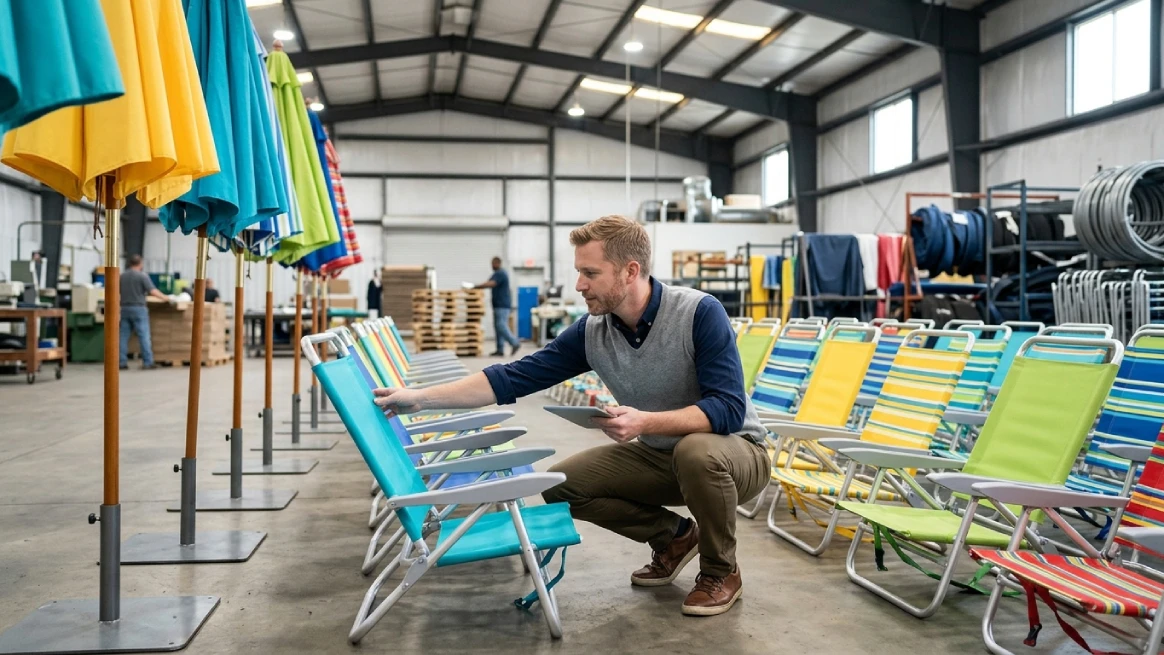
Before purchasing equipment, take time to estimate your startup costs. Careful budgeting helps you avoid unexpected expenses and ensures you can deliver a great customer experience from day one. Buying quality equipment now can save you money on repairs later.
Estimate Your Startup Costs
Starting a beach chair rental business is affordable, but costs depend on your setup, location, and size.
Your biggest upfront expenses will typically cover commercial beach chairs, umbrellas, carts, storage, and transportation.
Beyond equipment, you'll also want to budget for permits, insurance, a website, booking software, payment processing, branding, and a little working capital to keep daily operations running smoothly.
For a small operation with around 50 chairs and supporting gear, expect startup costs to fall somewhere between $20,000 and $50,000; though this can shift depending on equipment quality, vehicle needs, and local permit fees.
Starting with fewer rentals, buying used equipment, or leasing certain assets can bring that number down considerably.
Once you're up and running, don't forget ongoing costs like fuel, maintenance, software subscriptions, staffing, and insurance. Keeping these in mind from the start will help you build a realistic, sustainable financial plan you can actually stick to.
| Expense Category | Estimated Cost |
|---|---|
| Commercial beach chairs | $35–$150 each |
| Commercial umbrellas | $80–$400 each |
| Beach wagons or carts | $200–$1,000 each |
| Storage facility | $200–$1,000+ per month |
| Transport vehicle | $8,000–$35,000 purchase |
| POS hardware | $200–$800 |
| Website development | $500–$3,000 |
| Booking software | $30–$300+ per month |
| General liability insurance | $1,200–$4,000+ per year* |
| Permits and licenses | $50–$5,000+ |
| Branding and signage | $200–$2,000 |
Disclaimer: All figures and examples are general estimates for planning purposes only. Actual costs, permits, and rules vary by location, season, and business model. Verify all numbers and requirements with local authorities and suppliers before making financial decisions.
Purchase Your Equipment
Your equipment reflects your brand, so choosing commercial-grade products is well worth the investment.
Durable chairs, umbrellas, and accessories are built to handle daily sun, sand, saltwater, and heavy use. They help you cut replacement costs while keeping customers safe and comfortable.
Beach Chairs
Beach chairs are the backbone of your rental business. Choose commercial-grade chairs with rust-resistant aluminum frames, UV-resistant fabric, and reinforced joints. Stackable, easy-to-clean designs hold up to daily use, cut maintenance costs, and keep customers coming back for a comfortable beach experience every time.
Beach Umbrellas
Beach umbrellas face constant sun, wind, and salt exposure. Choose models with wind-resistant frames, corrosion-proof poles, fiberglass ribs, and UV-protected canopies. Solid sand anchors keep them stable and upright. Durable construction means fewer replacements and happier customers enjoying reliable shade all day long.
Loungers
Premium loungers attract customers who want extra comfort. Choose rental-grade models with adjustable backrests, weather-resistant frames, and durable fabric built for frequent use. Well-built loungers last longer, earn higher rental rates, and help your business stand out.
Cabanas
Cabanas create a premium beach experience for families, weddings, and resort guests. Choose weather-tested structures that set up fast and hold firm in coastal conditions. Their spacious design justifies premium pricing and keeps customers comfortable all day long.
Coolers
Coolers are a simple, affordable add-on that boosts booking value. Invest in high-quality models with tough handles and effective insulation. Bundle them with chairs and umbrellas to create easy family packages . It's an easy way to increase your revenue using equipment you already transport.
Beach Carts
Moving rental gear across soft sand is tough work. Invest in high-capacity beach carts with wide sand wheels and sturdy frames to make it easier. They'll reduce staff fatigue, speed up deliveries, and keep things running smoothly on your busiest days.
Storage Solutions
Proper storage keeps your equipment safe and rental-ready. Find a secure, weather-protected space that shields gear from moisture, salt, and damage. Use shelving and labeled areas to stay organized, making loading, unloading, and inventory checks much faster.
Cleaning Supplies
Clean your equipment after every rental. Remove salt, sand, and sunscreen to protect materials and extend their lifespan. Keep water, mild cleaners, soft brushes, microfiber cloths, and disinfectants on hand. Well-maintained gear looks professional.
Maintenance Tools
Regular maintenance saves money. Keep spare bolts, fabric, lubricants, and repair kits handy for quick fixes. Routine inspections catch small issues early, extend your rental fleet's lifespan, and prevent costly downtime during peak season.
Whenever you can, buy from reputable suppliers that offer warranties and replacement parts.
As your inventory grows, barcodes or QR codes can help you keep track of equipment, schedule maintenance, and prevent losses. A simple inventory system can go a long way as your business scales.
Step 4: Choose the Best Beach Location

Even the best equipment won't matter if customers can't find you. Choosing the right location helps you attract renters and increase your bookings. Before committing, compare several beaches and visit each one at different times and days to get a clear picture of foot traffic and demand.
When choosing your spot, look for beaches with strong foot traffic near entrances, boardwalks, parking areas, food vendors, and restrooms. Beaches close to hotels, resorts, or vacation rentals are great too, since many travelers prefer renting gear over hauling their own.
Easy parking, ADA-accessible pathways, and clear visibility from walking routes make it simpler for customers to find you. Even if competitors are nearby, you can stand out with premium equipment, online bookings, or delivery services.
Natural shade keeps both you and your customers comfortable on busy days. If permitted, setting up near lifeguard stations or other high-traffic spots can boost your visibility too.
Before settling on a location, review local permits, concession agreements, and any operating restrictions. Visit your shortlisted beaches a few times across different seasons to understand how weather, holidays, and tourism patterns shape demand.
Important: In many destinations, beach access depends on winning a concession or vendor permit. Spots can be competitive, so plan ahead!
Step 5: Develop a Profitable Pricing Strategy
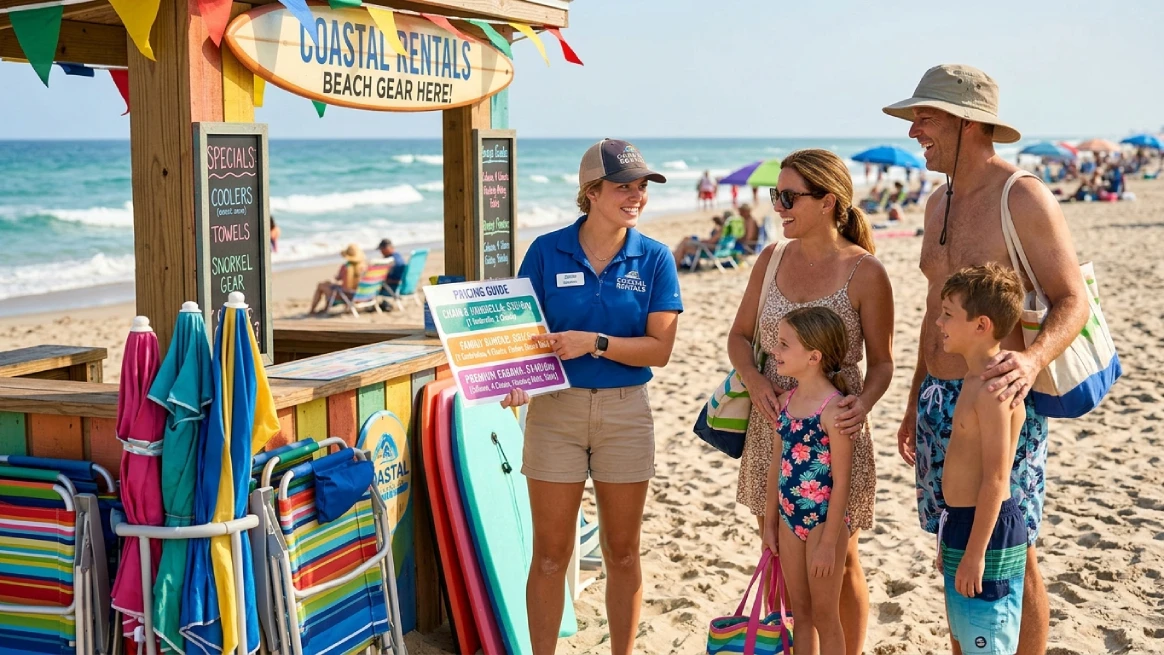
Pricing directly impacts your revenue. Flexible options and bundle pricing help you stay competitive and profitable. The simpler your pricing, the easier it is for customers to book.
Create Flexible Rental Packages
When you set prices, think about how your customers actually experience the beach. Some visitors drop by for a few hours, while others stay for a full week. So offering hourly, daily, weekend, and weekly rates helps you serve everyone comfortably.
From there, bundle pricing makes the decision even easier. Combining chairs, umbrellas, coolers, and wagons into one package feels like great value and simplifies the booking process.
If you want to go further, you can consider premium options like cabanas, loungers, or delivery services that give guests something special to look forward to.
Charging the same rate year-round could hurt your profits. Solution? Seasonal pricing helps you stay competitive as demand changes throughout the year.
Consider higher rates during peak season and local deals or promotions during quieter months. A simple Basic, Popular, and Premium structure makes it easy for customers to compare options and choose what works best for them.
Increase Revenue with Upsells
Growing your revenue doesn't always mean finding more customers. Sometimes, the easiest wins come from improving what you already offer.
Think about it; someone renting beach chairs might love the idea of adding a cooler, umbrella, or beach games to complete their day. These feel like natural upgrades, not sales pitches, because they genuinely make the experience better.
You can also offer premium touches like beach setup and delivery, luxury loungers, or private cabanas. Families and vacationers especially appreciate a hassle-free day at the beach, and they're often happy to pay for it.
Bundled packages are another great way to add value while encouraging slightly larger bookings. Just make sure your pricing reflects local demand, competitor rates, and your equipment quality. Review it regularly to keep your rental business competitive and profitable.
The table below gives you a handy look at typical daily rental price ranges to help guide your own pricing.
| Rental Item | Typical Daily Price |
|---|---|
| Beach Chair | $8–$15 |
| Beach Umbrella | $10–$20 |
| Chair + Umbrella Package | $25–$45 |
| Family Beach Package | $75–$120 |
| Cabana or Sun Shelter | $80–$200 |
| Full-Service Setup & Delivery* | $120–$300 |
| Beach Wagon | $15–$25 |
| Cooler | $10–$20 |
Disclaimer: Pricing typically includes equipment rental along with delivery, setup, and pickup services. Actual rates vary based on the number of items rented, travel distance, rental duration, and local market conditions.
Step 6: Build an Online Booking System

As bookings grow, managing phone calls, spreadsheets, and handwritten calendars gets difficult to manage. It leads to double bookings, missed payments, and lost time. A dedicated online booking system brings every part of your rental business into one organized place.
Online Reservations
Let your customers reserve beach chairs, umbrellas, or full packages anytime. No phone calls needed. With 24/7 online booking, customers can choose what works for them, and you wake up to confirmed reservations. More bookings, fewer missed opportunities, and less back-and-forth for your team.
Real-Time Availability Tracking
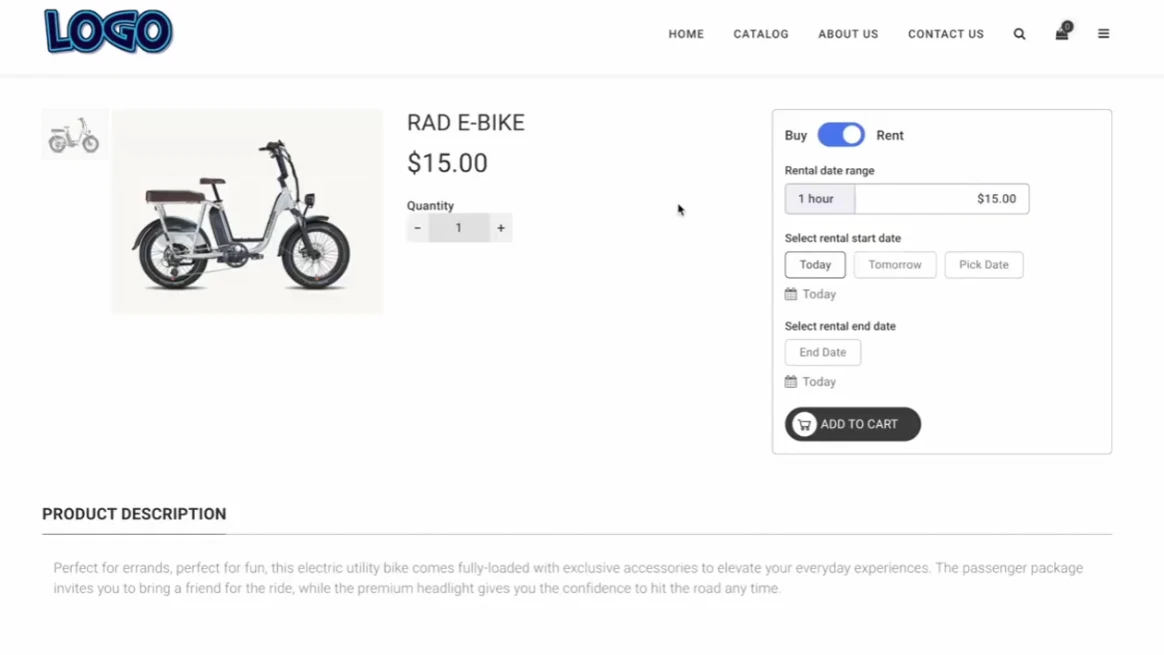
Customers should only see equipment that's actually available for their chosen date and time. The moment a reservation is made, your booking system updates automatically. This keeps everything accurate, prevents double bookings, and ensures a smoother experience for your customers and your team.
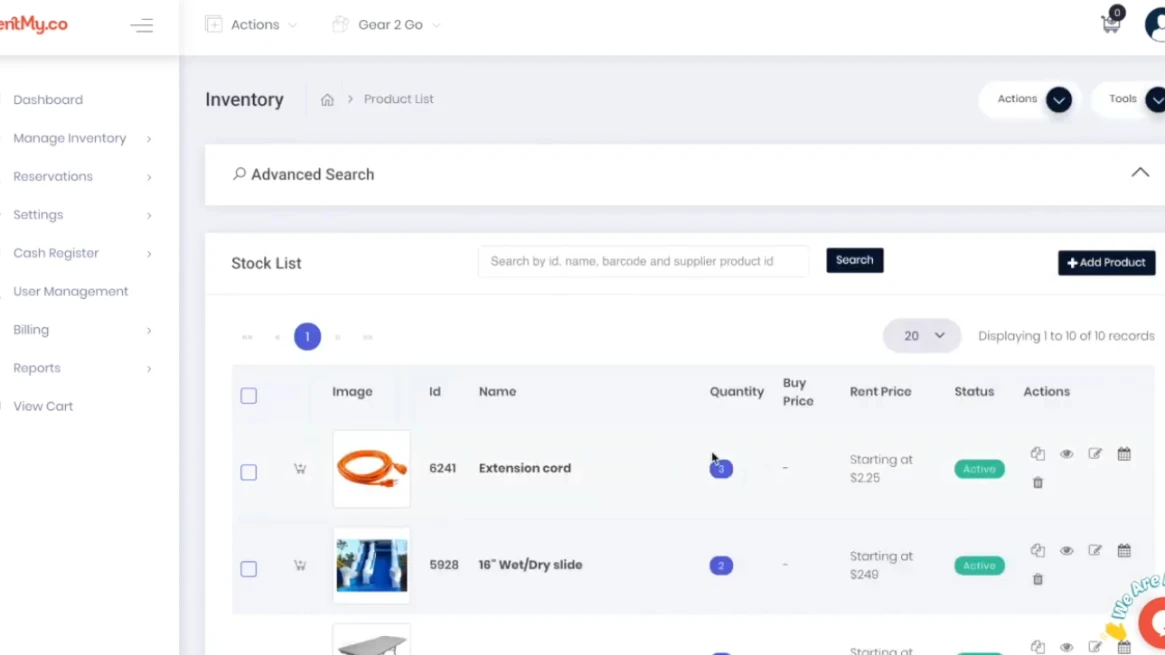
Inventory Management
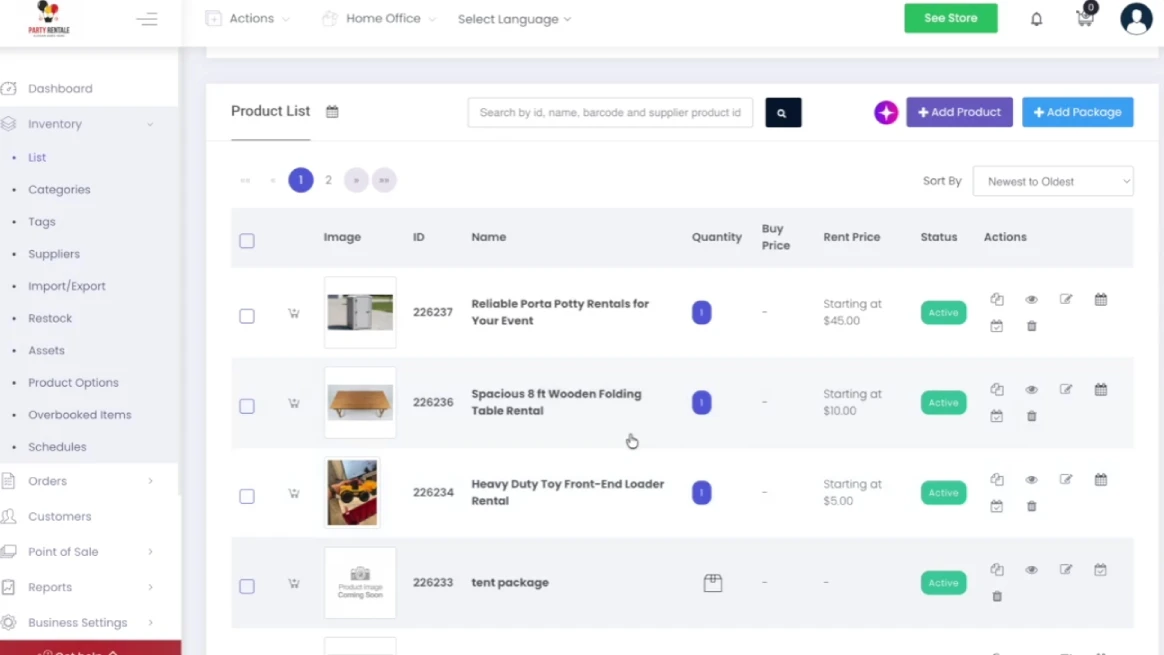
Every chair, umbrella, cooler, wagon, and cabana should be tracked individually throughout its rental lifecycle. A modern inventory system instantly shows what's available, reserved, or under maintenance. So you spend less time counting equipment and more time with customers, while keeping misplaced inventory to a minimum.
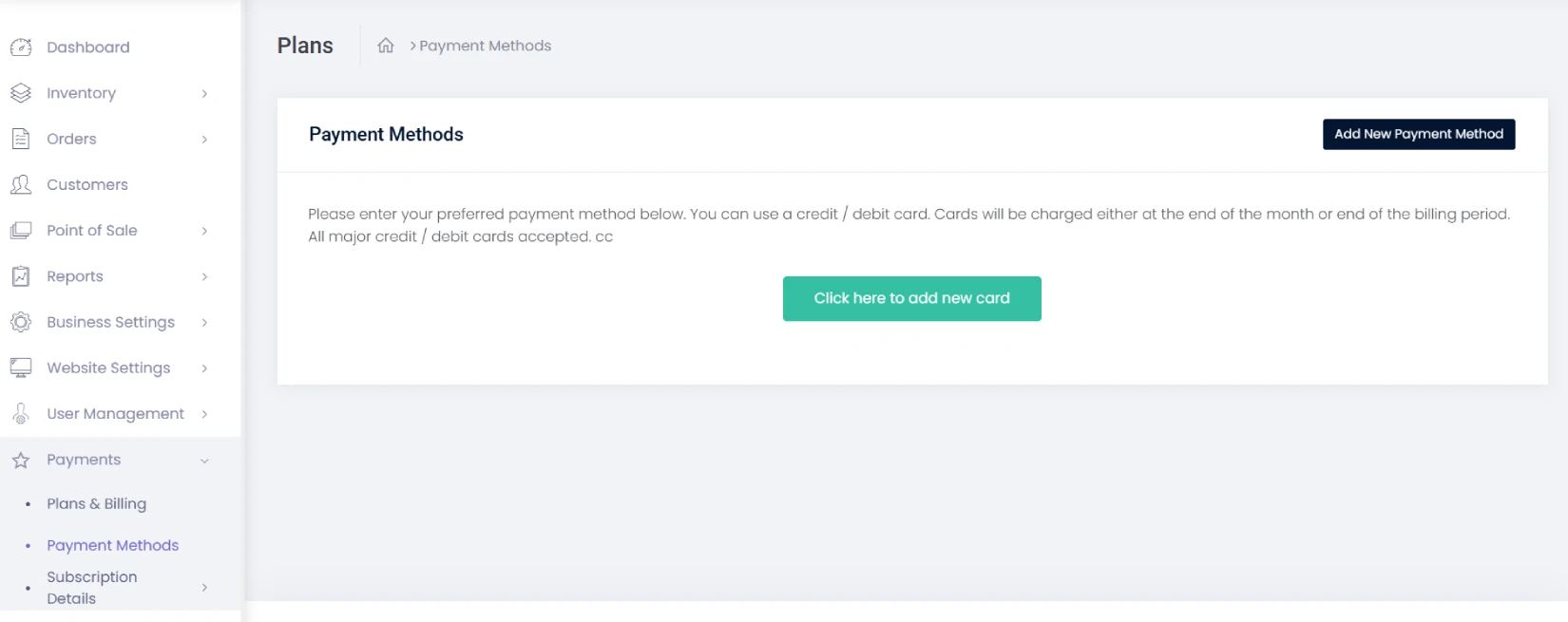
Secure Online Payments
Collect deposits or full payments before customers arrive at the beach. Online payments improve cash flow, reduce no-shows, and eliminate the need to chase unpaid reservations. Customers also enjoy a faster check-in because their payment has already been completed before they arrive.
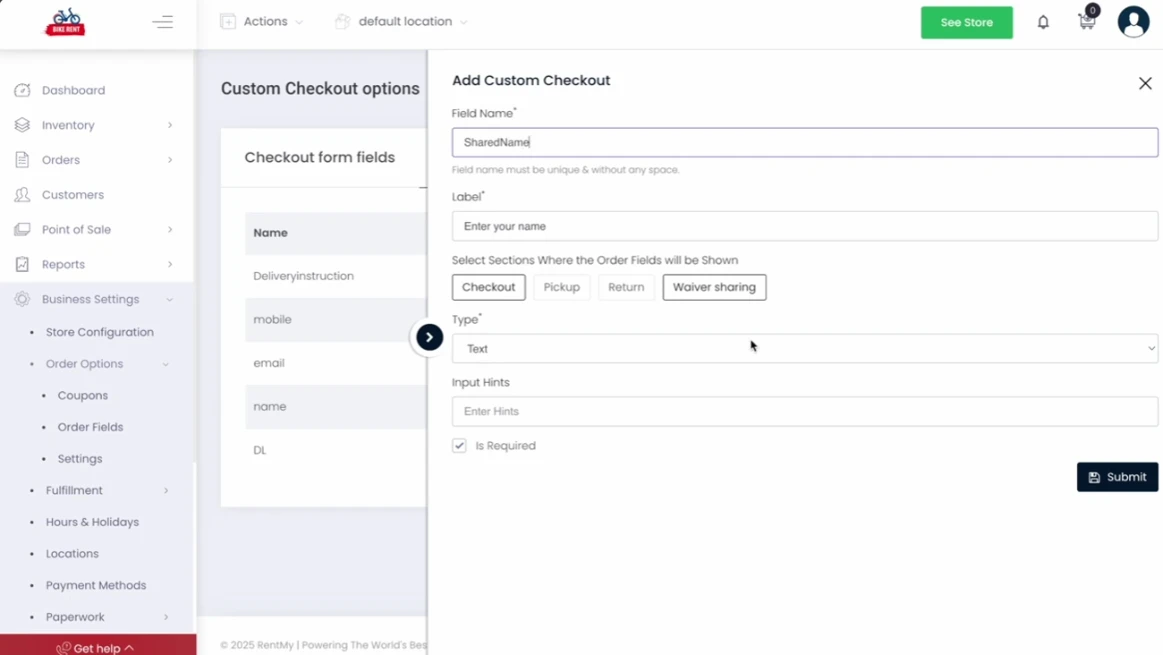
Digital Waivers
Instead of printing forms or collecting signatures at the beach, customers can review and sign rental agreements online before pickup or delivery. Digital waivers create an organized record for every booking, speed up the check-in process, and help reduce paperwork for both your staff and your customers.
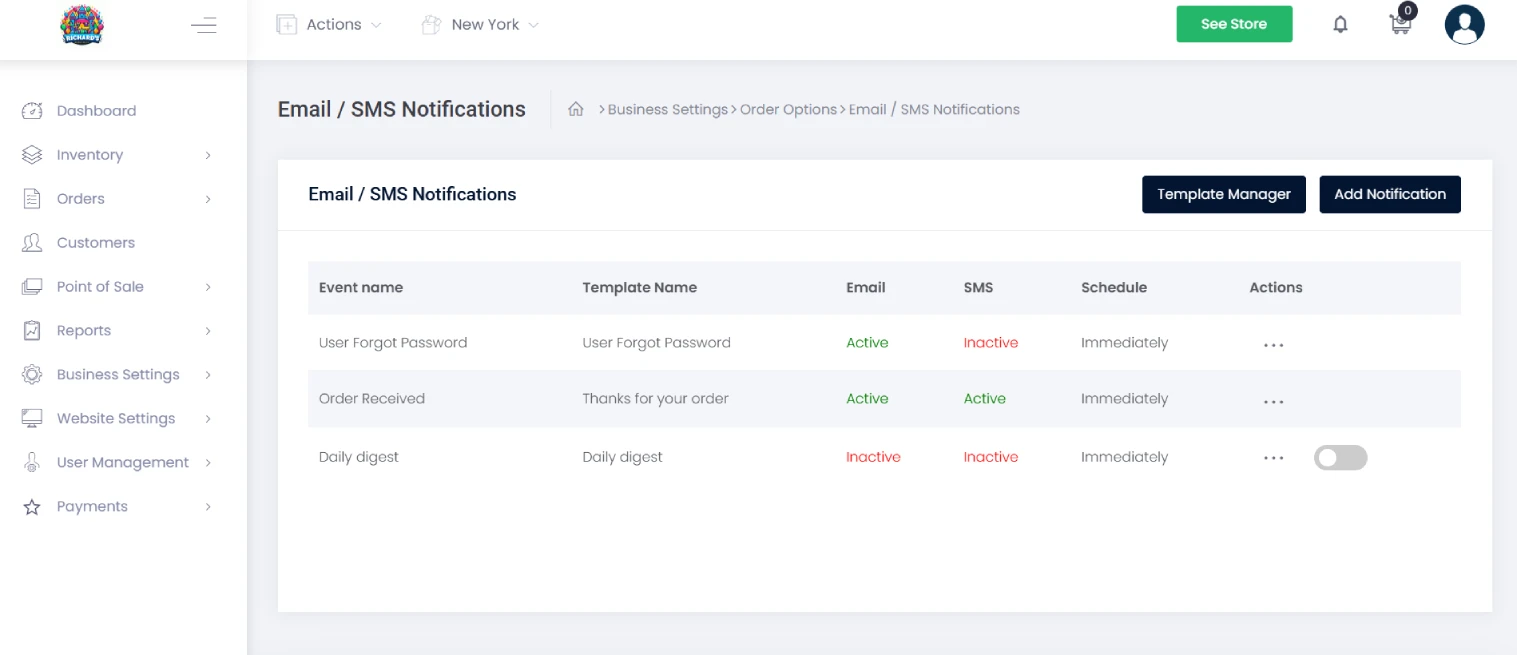
Automated Customer Reminders
Customers appreciate timely communication without having to call your business. Automated emails and text messages can confirm reservations, remind guests about upcoming rentals, provide pickup or delivery instructions, and notify them when equipment should be returned. This reduces missed bookings, late returns, and repetitive customer support questions.
Mobile-Friendly Booking
Over 96% of internet users browse on mobile, and most vacationers search for rentals on the go. A mobile-friendly booking experience lets customers check availability, pay, and sign waivers from their phones. This reduces friction and helps you secure more completed reservations.
As your business grows, managing these tasks separately becomes increasingly time-consuming. A platform like RentMy brings online reservations, live availability, inventory tracking, secure payments, digital waivers, automated reminders, and mobile booking together in one place.
Build Your Beach Chair Rental Business the Smarter Way
Replace phone calls and spreadsheets with one platform that keeps bookings, inventory, payments, and customers perfectly organized.
- 14-day free trial
- No credit card required
Step 7: Market Your Beach Chair Rental Business

Once you're ready to launch, the next step is building visibility. Marketing your rental business puts you in front of the right customers and makes it easier to attract bookings and boost revenue.
H4: Build Your Local Presence
Getting found locally starts with making sure your business shows up where travelers are searching. A fast, mobile-friendly website with location-specific pages is the foundation of good SEO for your rental business. It helps you appear right when visitors need you most.
Your Google Business Profile is equally powerful. Keep your hours, photos, and booking links updated, and encourage happy renters to leave reviews. Fresh feedback builds trust and boosts your visibility on Google Maps and makes it easier for spontaneous beachgoers to find you in seconds.
From there, local partnerships can keep bookings flowing all season long. Hotels, resorts, and vacation rental hosts love recommending reliable local services to their guests.
Simple delivery options, guest-ready packages, and small referral perks make it easy for partners to recommend you, a win for everyone.
Promote Your Business Online
Promoting your business online is simpler than it seems. Start by placing QR codes on signs, vehicles, and brochures so beachgoers can browse your inventory and book within minutes. Fewer steps means more same-day rentals.
Social media is your best friend here. Use Instagram for stunning beach setups, Facebook to connect with local vacation planners, and TikTok for fun behind-the-scenes clips that feel real and relatable. Authenticity goes a long way!
After every successful rental, kindly ask customers for a review, as it's one of the most powerful ways to build trust with new visitors. Referral programs and partnerships with local beach influencers can also help spread the word organically.
As your referral network grows, tracking commissions manually becomes time-consuming. Pairing RentMy with HeldSway automates the process as it tracks referrals, generates partner links, calculates commissions, and monitors performance in one place. So, you get less admin work and more time growing your business.
Combining consistent social media with smart content keeps your business visible all season long. If you'd like extra support, RentMy Marketing Services offers SEO, paid ads, and tailored campaigns built specifically for beach chair rental businesses.
Step 8: Launch, Operate, and Grow Your Business
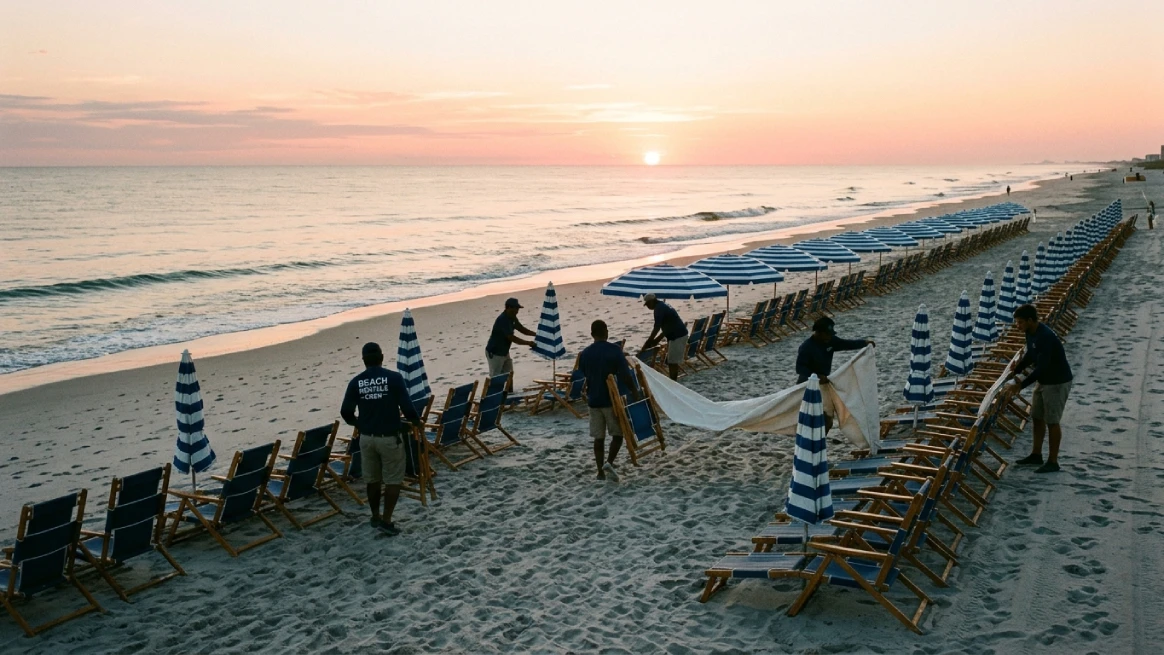
Starting your beach chair rental business is just the first step. Long-term success comes from delivering great service, staying organized, and creating consistent daily routines that keep customers happy and your operations running smoothly.
Manage Daily Operations Efficiently
Start each day strong by checking the weather, reviewing reservations, and prepping equipment before customers arrive. A solid morning routine keeps your team organized and ensures everything is beach-ready from the moment doors open.
Throughout the day, keep a close eye on your gear. Check your chairs, umbrellas, and wagons often, and monitor each item throughout the entire rental process. Keeping accurate reservation records makes it easier to handle online bookings and walk-up customers at the same time.
Ending the day well is just as important. Quick payments, proper cleaning, and secure storage keep your equipment in great shape and ready for tomorrow. Smart staff scheduling on busy weekends and holidays keeps everything running smoothly.
Over time, building consistent habits and keeping detailed maintenance logs will set your beach rental business up for long-term success.
Deliver an Experience Customers Remember
Customers remember how they felt, not just what they rented.
A quick setup, a friendly greeting, and clean, comfortable gear make a great first impression that builds trust right away. Little touches like these can turn a first-time visitor into a loyal customer who books with you every vacation.
Great service goes beyond the basics. Recommend the right amount of shade, suggest practical add-ons like coolers or beach wagons, and make families feel welcome with patient, attentive support.
Offering accessible options for older adults or guests with mobility needs shows you genuinely care about everyone's comfort.
When customers feel well cared for, they're more likely to share their experience on social media and your business gets free exposure.
Happy customers are also far more likely to leave glowing reviews and recommend you to friends and family. Great service, clean equipment, and a friendly attitude keep customers coming back.
Expand Beyond Beach Chair Rentals
Growing your beach chair rental business doesn't always mean buying more equipment. Consider expanding into complementary rentals like umbrellas, cabanas, coolers, and beach wagons, the products that serve your existing customers.
If local rules allow, water sports rentals like kayaks and paddleboards can attract an entirely new audience and boost your revenue without major operational changes.
You don't always need new gear to grow, though. Weddings, corporate outings, and private beach events can open up entirely different revenue streams.
Partnering with hotels or vacation rentals for long-term contracts can also reduce your reliance on daily walk-up bookings.
When demand consistently outpaces your capacity, it may be time to expand to new locations. Taking it one step at a time helps you maintain service quality without spreading yourself too thin, and that's how a beach rental business scales sustainably.
Beach Chair Rental Business Launch Checklist
Launching a beach chair rental business involves a lot of steps. To keep you on track, we've put together a free Beach Chair Rental Business Launch Checklist covering everything you need to do before opening day.
Disclaimer: This checklist is for informational purposes only and is not legal or financial advice. Rules and requirements vary by location, so be sure to check local regulations and speak with a qualified professional before starting your business.
Common Beach Chair Rental Business Challenges (and How to Solve Them)
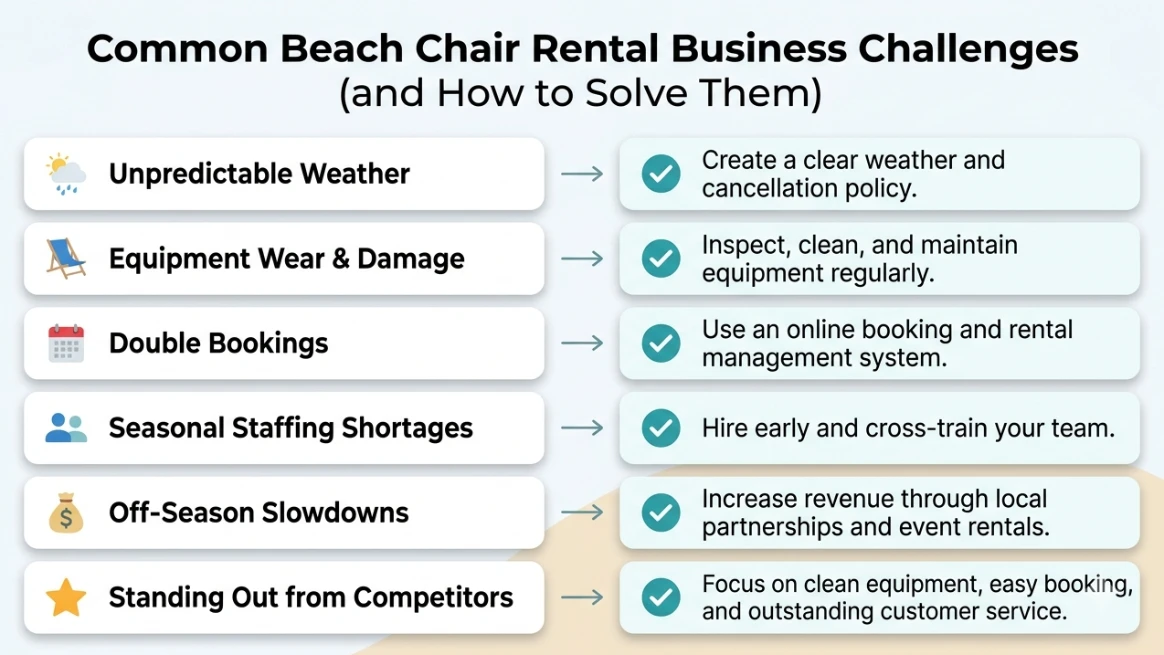
Every beach chair rental business runs into a few bumps along the way and that's completely normal. Weather changes, seasonal slowdowns, equipment wear, and staffing gaps are all part of the ride.
The good news is most of these challenges are manageable with a little preparation.
A clear weather policy helps protect bookings on rough days. Regular equipment checks and commercial-grade gear help you stay ahead of repairs. And a centralized booking tool stops double bookings before they happen.
Staffing can get tricky during peak season, so recruiting early and cross-training your team makes a real difference. And when things slow down off-season, local partnerships and event rentals can help keep revenue flowing.
Rather than competing on price, focus on what customers actually remember: clean gear, easy booking, and friendly service. That's what keeps them coming back.
Conclusion
And that's a wrap on how to start a beach chair rental business! You've got the essentials: market research, permits, equipment, pricing, and customer attraction, all covered.
Success isn't about having the most chairs. It's about the right location, great service, and experiences people remember. Making small changes consistently often leads to lasting results.
Don't wait for the "perfect" moment. Start where you are, learn as you go, and grow at your own pace. Every thriving beach rental began with one customer, one chair, and one great experience. Yours can too!
FAQs
How Many Beach Chairs Should I Buy to Start?
There's no fixed number. Many first-time operators start with 20 to 50 commercial-grade chairs and expand as demand grows. Starting smaller helps reduce upfront costs while allowing you to test your local market before investing in additional equipment.
Should I Rent New or Used Equipment?
New commercial-grade equipment generally lasts longer and creates a more professional image. If buying used, carefully inspect every item for rust, frame damage, fabric wear, and overall safety before adding it to your rental inventory.
Can I Operate a Beach Chair Rental Business Without Employees?
Yes. Many small businesses begin as owner-operated ventures, especially if you offer walk-up rentals or serve a single beach. As bookings increase, hiring seasonal staff can help manage deliveries, setup, customer service, and equipment maintenance more efficiently.
Should I Accept Reservations or Only Walk-Up Customers?
Offering both options usually works best. Walk-up rentals capture spontaneous beachgoers, while advance reservations provide predictable income, improve inventory planning, and reduce the risk of missing bookings during busy weekends and holidays.
How Can I Encourage More Repeat Customers?
Provide clean equipment, friendly service, and a smooth booking experience. Loyalty discounts, referral rewards, seasonal memberships, and personalized follow-up emails can encourage customers to rent from you again during future beach trips.
What Are the Biggest Mistakes New Beach Chair Rental Businesses Make?
Common mistakes include underestimating permit requirements, buying low-quality equipment, setting prices too low, ignoring online bookings, skipping regular maintenance, and failing to plan for weather-related disruptions. Careful planning helps avoid these costly setbacks.