
Explore the Content
- What Is a Wedding Rental Business?
- Why Start a Wedding Rental Business in 2026?
- Is a Wedding Rental Business Profitable?
- Wedding Rental Business Ideas
- Choosing Your Wedding Rental Business Name
- How to Write a Wedding Rental Business Plan
- Legal Requirements for a Wedding Rental Business
- How Much Does It Cost to Start a Wedding Rental Business?
- Buying Wedding Rental Inventory
- Pricing Your Wedding Rentals
- Setting Up Storage, Delivery & Logistics
- Building a Website That Books Weddings
- Marketing Your Wedding Rental Business
- How to Get Your First 100 Wedding Rental Customers
- Managing Inventory Without Losing Money
- Scaling Your Wedding Rental Business
- Conclusion
- FAQs
Do wedding trends, beautiful décor, and event planning spark business ideas for you? If you’re searching for how to start a wedding rental business, you’re already looking at an industry with plenty to explore.
The numbers add another reason to pay attention. The global party supply rental market is forecast to reach $20.5 billion in 2026, growing at an 11.2% CAGR through 2030.
From choosing your niche and buying inventory to pricing, marketing, software, legal setup, and expansion, we’ll cover the essentials. Enough wondering. Let’s move from the big idea to the real plan.
What Is a Wedding Rental Business?
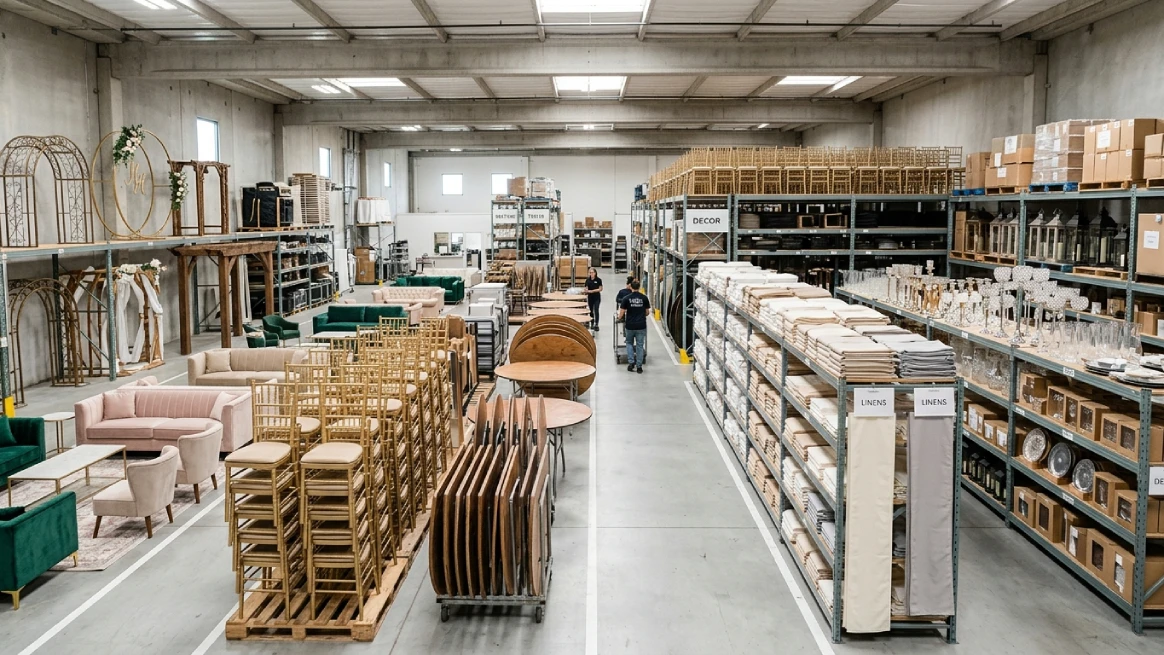
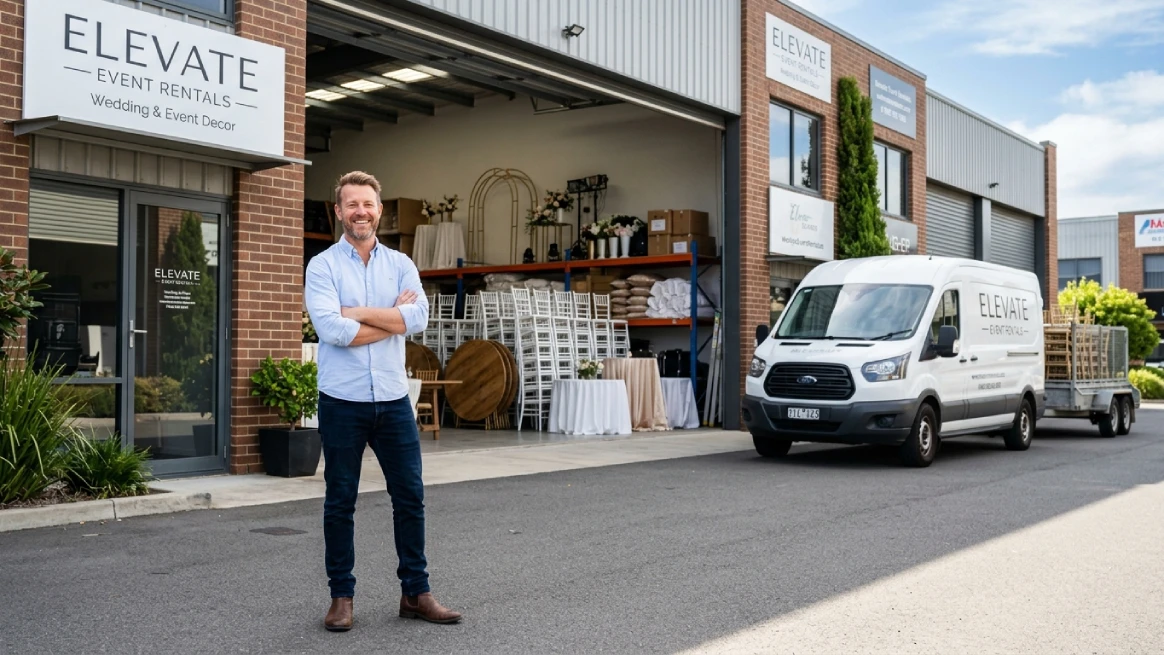
A wedding rental business is a company that rents out physical items like chairs, tables, and décor for weddings instead of selling them. As the same items get rented again and again, they generate revenue across multiple events.
The model is simple. You buy inventory, rent it out, collect it after the event, then clean and rebook it. A single chair, table, arch, or lounge set can therefore generate income many times.
That repeat-use model makes rentals appealing. But owning inventory isn't enough. Your products need consistent bookings to recover purchase costs and cover storage, transportation, labor, maintenance, and insurance.
Some companies rent individual items like arches or chairs. Others bundle products into packages. Full-service companies also handle delivery, setup, and pickup.
Your customer base can vary widely. Couples may book directly, while wedding planners and event designers can bring in recurring referrals. Venues may recommend trusted rental partners, and other wedding vendors can become valuable sources of repeat business.
Different Types of Wedding Rental Companies
Wedding rental businesses come in many forms. Your best starting point depends on your budget, skills, storage space, transportation options, and what local couples actually need.
Décor rentals focus on arches, backdrops, champagne walls, and signage. This keeps your inventory manageable and your startup costs lower. So, this one is a great entry point if you're just getting started.
Furniture rentals cover chairs, tables, bars, and lounge pieces. These items require more storage and transport capacity, but they're in high demand at nearly every wedding venue.
Tent rentals can generate bigger orders by bundling structures, flooring, lighting, and seating. Luxury rentals target premium weddings with designer pieces and higher order values.
Floral rentals use reusable silk walls and greenery, while DIY pickup models cut delivery costs by letting customers collect items themselves.
Full-service companies handle delivery, setup, and teardown, supporting larger bookings.
You can also mix models over time, starting focused and expanding as your confidence and customer base grow.
Why Start a Wedding Rental Business in 2026?

As per the statistics, the U.S. wedding market continues to grow steadily. That means plenty of potential customers and vendor relationships for rental entrepreneurs. But not every niche performs equally well. Local competition, budgets, and preferences vary widely.
Wedding Industry Statistics
The latest The Knot 2026 Real Weddings Study reports that around 2 million U.S. couples married in 2025. And they spent over $100 billion on weddings combined. That's a massive market worth paying attention to as you explore your options.
The same study puts the average U.S. wedding cost at $34,000, with 117 guests and $292 spent per guest. These are national averages and won't reflect every local market, so keep your area in mind.
The event-rental market also provides some helpful context.
Grand View Research estimates that the global party supply rental market hit 15.2 billion in 2023. Researchers project it could reach USD 20.5 billion in 2026, growing at a 11.2% CAGR from 2024 to 2030.
These numbers highlight real opportunity, but they don't guarantee demand in your specific area. Your local market matters most when deciding whether to move forward.
Know your community before building your inventory. A business focused on small gatherings needs different items than one serving large receptions.
Understanding local demand helps you stock rentals that couples in your area will actually want.
Who Should Start This Business?
A wedding rental business works well if you enjoy both creative and practical work. You will design an attractive inventory while keeping products clean, organized, and delivered on time.
If you love events, you will enjoy working alongside venues, planners, and couples. A design background helps you create collections that make weddings look and feel put together.
Customer service matters here too. Weddings are deeply personal, so couples expect clear communication and dependable follow-through. A missed delivery or damaged item can quickly become a stressful situation for everyone involved.
Logistics skills are a real advantage. Running rentals means managing storage, transportation, cleaning, repairs, scheduling, and tracking inventory across multiple bookings at once.
You do not need expertise in every area before starting. Being open to learning both the creative and operational sides is what matters most.
A beautiful collection attracts attention. Reliable operations turn that attention into repeatable revenue.
Wedding Consumer Trends Creating Rental Opportunities
Wedding trends are shifting fast, and that's good news for your rental business.
Couples want personalized, meaningful celebrations. The Knot reports 58% are moving beyond traditional conventions, and Gen Z makes up 41% of soon-to-weds.
That opens doors for customizable arches, specialty furniture, lounge areas, backdrops, and statement signage. Couples want their wedding to feel personal, not pulled from a standard template.
Smaller celebrations are growing too. Many couples choose between going all-out or ultra-intimate. This creates room for both premium collections and thoughtfully designed packages for smaller guest counts.
Outdoor and backyard weddings drive demand for tents, lighting, flooring, and seating. DIY couples often prefer pickup-friendly options, while others want full delivery, setup, and teardown handled for them.
Visual pieces like flower walls and lounge furniture help couples create memorable moments without permanent ownership. These items can also help your business stand out.
Knowing party rental trends is a good starting point. Validate what local couples actually want before making big inventory decisions.
Is a Wedding Rental Business Profitable?
 ALText: Professional overseeing inventory and profitability of wedding rentals
Yes, wedding rental businesses can be profitable, but it depends on your pricing, demand, and how well you manage costs. The rental model lets the same inventory earn revenue repeatedly. That's a big advantage over selling products as one-time product sales.
Every booking comes with costs, though. You'll need to budget for purchasing, storing, transporting, cleaning, maintaining, and insuring your inventory.
Plus labor and marketing expenses too.
Your profitability depends on many factors. Think inventory utilization, booking volume, average booking value, pricing, packages, delivery charges, storage, maintenance, and seasonality. All of these factors affect your profit.
Here's something worth knowing: a lower-cost item that rents often can make more money than an expensive one that sits idle. Don't just think about cost. Think about utilization.
When you optimize inventory by choosing high-utilization items, you keep costs down and returns up.
The right pricing and cost control can make this business profitable. Learning these basics early will help you build something that actually works.
Wedding Rental Business Income
Wedding rental income goes beyond chairs and tables. You can earn from packages, delivery, setup, styling, and add-ons. Each service layer adds real revenue to every booking you complete.
For example, a small arch-and-signs order might bring in $400. A full ceremony and reception package can generate $2,000 to $5,000 or more.
Your annual revenue depends heavily on bookings and average order value. A useful planning formula is:
Annual revenue = (Number of bookings × Average order value) + Delivery revenue + Setup revenue + Add-on revenue
Suppose you complete 100 bookings with a $1,200 average rental order. That creates $120,000 in rental revenue.
If each booking also generates $150 in delivery revenue, that adds another $15,000. Setup services purchased by 40 customers at $300 add $12,000.
Finally, if 35 customers purchase $350 in add-ons, you earn another $12,250. That brings total illustrative annual revenue to $159,250.
This example is for planning only. Actual results can vary significantly based on pricing, demand, service area, inventory, and booking volume.
Estimated Annual Revenue by Business Stage
Revenue varies widely in wedding rentals. No reliable benchmarks exist for each business stage. Instead, you can use the framework below. It shows what factors can shape your earnings from side hustle to large company level.
| Business stage | Illustrative annual revenue range | Typical profile | Planning assumptions |
|---|---|---|---|
| Side hustle | $15,000–$60,000 | Small inventory, part-time operation | 20–50 bookings/year; décor, arches, backdrops, linens, or signage |
| Small local business | $60,000–$250,000 | Established local operation | 60–140 bookings/year; larger packages, delivery, setup, and upsells |
| Growing company | $250,000–$750,000 | Larger inventory and dedicated storage | 150–300 bookings/year; furniture, décor, corporate events, and installations |
| Large regional company | $750,000–$2.5M+ | Multiple crews and a wider service area | 300–700+ bookings/year; large orders, multiple services, and professional logistics |
Disclaimer: These figures are illustrative scenarios rather than verified industry averages or guarantees. Revenue is not the same as profit, and actual results depend on each business's pricing, costs, market, demand, and operating model.
How Much Do Wedding Rental Companies Make?
Wedding rental income varies widely. Small home-based businesses may earn under $50,000 yearly, while established local companies often target $100,000 to $300,000.
Larger operators with big inventories and multiple crews can reach $500,000 to $1 million or more.
Bookings play a big role too. A company handling 30 small décor orders looks very different from one managing 150 full-service weddings. Your booking volume shapes everything.
Here's a quick example. To hit $300,000 in annual revenue with a $2,000 average order, you'd need around 150 bookings.
$300,000 ÷ $2,000 = 150 bookings
Simple math, but it really puts things in perspective.
Add-on services like delivery, setup, and styling can boost revenue without requiring more bookings. That's a smart way to grow without stretching your team too thin.
Just remember, revenue isn't your paycheck. Labor, storage, insurance, vehicles, marketing, and taxes all come out first. Knowing your true costs helps you build a rental business that's actually profitable.
Typical Profit Margins
Profit margins reveal how much revenue stays after expenses. Tracking both gross and net margins gives you a clearer picture of how your business is actually performing.
Gross margin covers revenue left after direct costs like cleaning, delivery, labor, and repairs. Industry estimates suggest gross margins of roughly 45%–70%, though actual results vary widely by business model.
Your inventory type matters too. Items needing more storage, handling, or installation naturally carry higher direct costs, which can bring your gross margin down depending on your service mix.
Net margin goes deeper, factoring in rent, payroll, vehicles, insurance, and marketing. A 10%–20% operating margin is a reasonable planning range for a well-managed business, though results vary significantly.
Example: With $200,000 revenue and $80,000 direct costs, gross margin is 60%. After $82,000 in operating expenses, operating profit reaches $38,000, giving a 19% operating margin before interest and taxes.
Disclaimer: These are planning ranges, not guarantees. Actual margins depend on pricing, utilization, labor, and operating costs.
Biggest Revenue Drivers
The strongest revenue drivers share one trait. They grow the value of each booking without needing more customers.
Your average booking value is a smart metric to look at first. Pair an arch with signage, plinths, and setup, and your booking value climbs fast.
Inventory utilization matters too. A chair or backdrop that books regularly recovers its cost quickly. Idle inventory earns nothing.
Price delivery and setup correctly. Include fuel, labor, mileage, and loading time. Done right, it becomes a reliable revenue stream rather than a hidden cost.
Packages simplify decisions for clients. Ceremony, reception, or luxury packages naturally increase the number of items rented together. This lifts your overall order value.
Styling services add even more. Table styling, candle arrangements, and setup supervision can shift from free extras to paid offerings.
Repeat clients cost nothing to acquire. A past wedding guest booking a birthday or anniversary event can increase bookings without extra marketing. They return faster and decide with less hesitation.
Planner and venue referrals create steady bookings. Corporate events fill weekday gaps nicely.
Seasonal pricing helps too. Raise rates during busy wedding months. Offer small discounts when bookings slow down. This smooths demand and protects your margins all year.
Finally, focusing on nearby bookings also helps. Staying local cuts travel time and costs, which quietly adds to your profits.
Wedding Rental Business Ideas
Starting small is smart. Focus on one category that fits your budget, storage, and local demand. Choose versatile, easy-to-transport items. Expand as bookings grow. Here are some wedding rental business ideas worth exploring.
Wedding Décor Rental Business
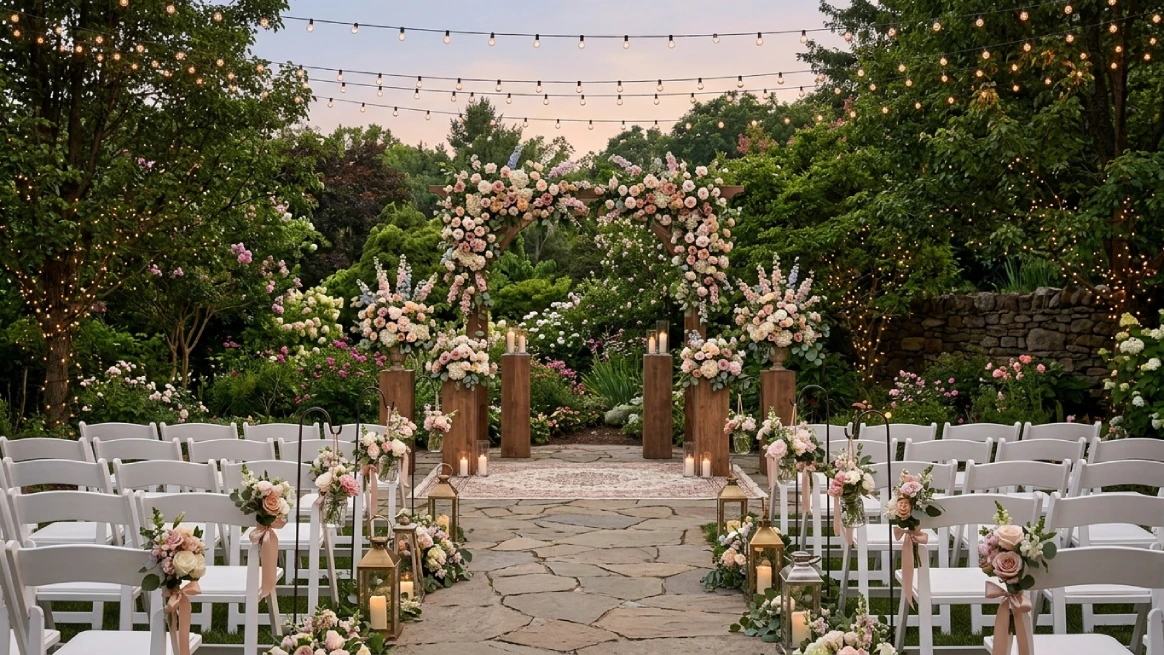
Wedding décor rentals let couples create a beautiful, personalized look without buying everything themselves. Think signage, arches, backdrops, marquee letters, and decorative accents. All the visual touches that make a wedding feel unique.
Your customers will likely include couples, wedding planners, event designers, and venues. They're drawn to distinctive designs that photograph well, so styled imagery can really help you market your inventory online.
Storage needs vary depending on what you carry. Smaller signs and accents are easy to manage, but larger arches and marquee letters need more space and careful handling during transport.
Profit potential here could be strong. Many décor pieces can be rented out repeatedly, which helps maximize your return of investment on each item.
Startup costs could be low to medium. Demand is strong because décor suits many wedding styles. Reusable pieces book repeatedly. This helps you earn a solid return on each item over time.
Just keep an eye on purchase costs, rental rates, cleaning, repairs, and booking frequency to stay profitable.
Wedding Arch Rentals
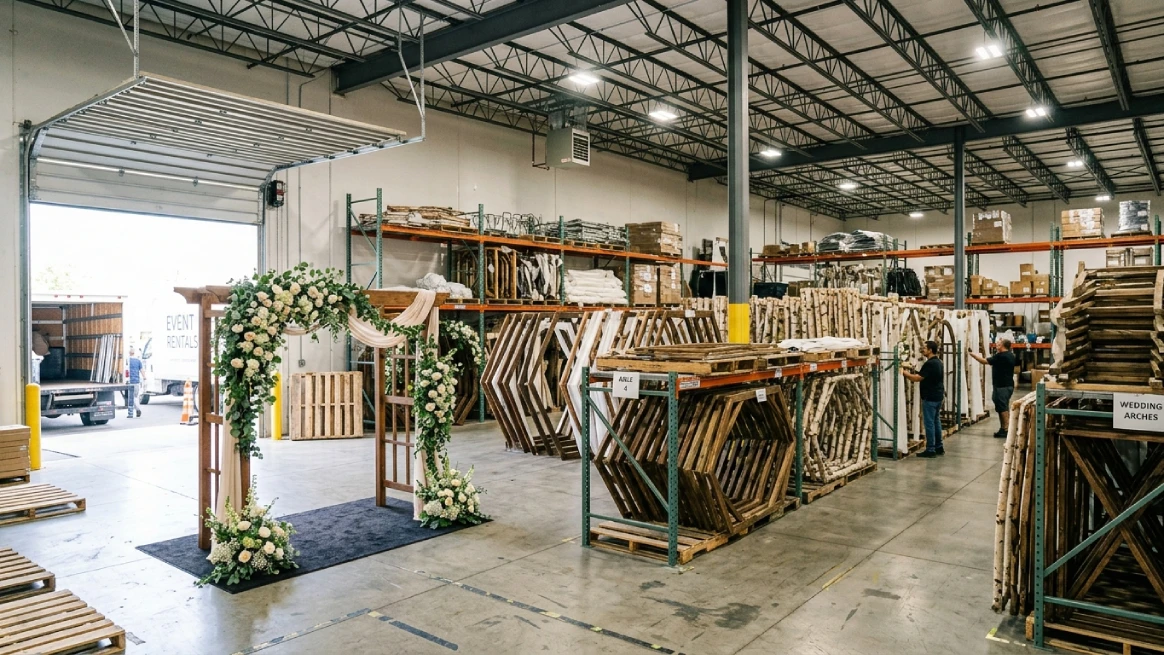
Wedding arches are a stunning focal point for ceremonies, sweetheart tables, and photo areas. Their modular design makes them versatile across many wedding themes, appealing to couples, planners, venues, and event designers.
You can rent wood, metal, or modular arches and backdrop structures. Customers love customizing them with flowers, fabric, greenery, or signage, making each rental feel unique and personal.
Most arches disassemble easily for transport and storage. Larger structures may need a van and extra help to set up. Consider this in your logistics planning early.
Profit potential can be strong when acquisition costs stay controlled and bookings stay consistent. Local pricing research will help you set realistic expectations before committing.
Flower Wall Rentals

Flower walls create stunning backdrops for ceremonies, receptions, photo booths, and sweetheart tables. Couples, planners, venues, and photographers love renting them as an alternative to buying a large floral installation.
You can offer silk flower walls, greenery walls, and mixed floral backdrops. They appeal to a wide range of clients, from weddings to corporate events.
Storage does require some care. Protect panels from crushing and dust, and plan for vertical storage where needed. Transportation should also be handled carefully to avoid damage.
Profit potential can be attractive when the same wall works repeatedly. Just consider cleaning, repairs, transportation, and other costs before setting your rental pricing to keep margins healthy.
Chair & Table Rentals
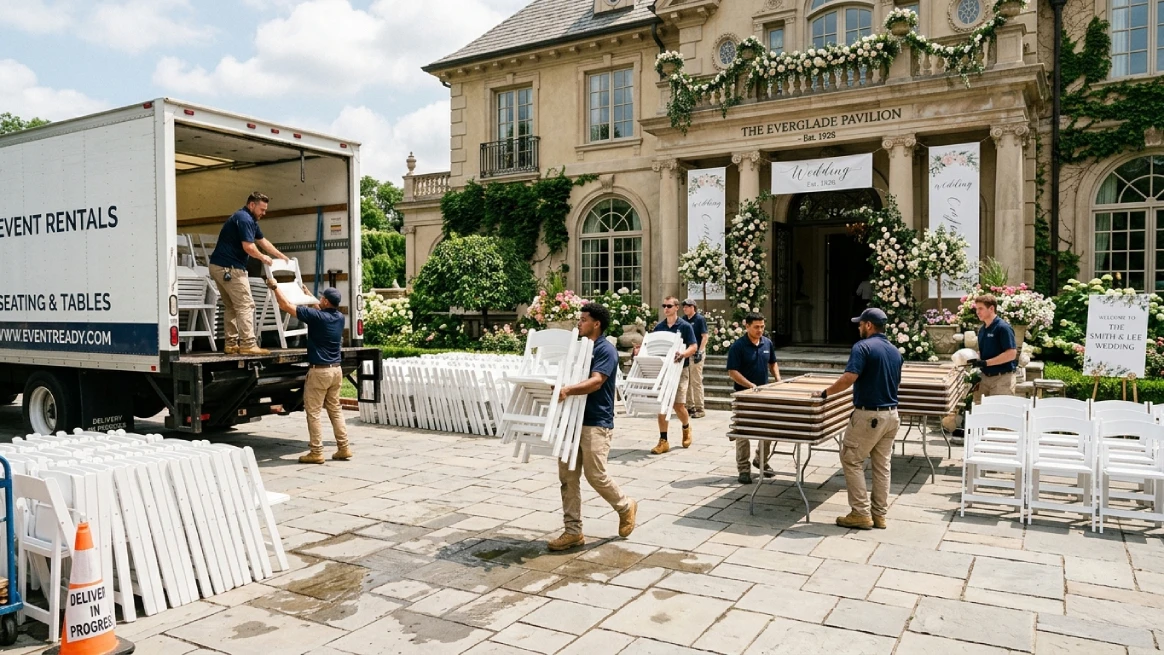
Tables and chairs are must-haves at almost every wedding. Couples, planners, venues, and caterers all rent folding chairs, resin chairs, crossback chairs, round tables, rectangular tables, and farmhouse-style tables regularly.
Seating is a must at every wedding, so demand never dries up. Offering a variety of styles means you can serve more clients and keep your inventory working hard for you.
Storage and transportation do require some planning. Stacking dollies, protective covers, carts, and suitable vehicles keep operations running smoothly and help protect your inventory between events.
Individually, the prices are modest, but large orders add up fast. To make the most of your space, keep your inventory in use as often as possible.
Lounge Furniture

Lounge furniture turns empty spaces into inviting spots guests love. Popular items include sofas, accent chairs, ottomans, coffee tables, and rugs. They are popular choices for receptions, cocktail hours, and outdoor events.
Your typical customers are couples, planners, event designers, and venues. They want beautiful, design-forward experiences. Lounge areas add function and charm to any event layout.
Storage and transportation need careful planning. Upholstered pieces require extra protection from stains and weather. You'll also need adequate space and the right handling equipment to keep everything in good condition.
Lounge furniture rents for more than basic tables and chairs. That means stronger profit potential. Just keep in mind cleaning, labor, storage, and transport costs before setting your prices.
Neon Signs
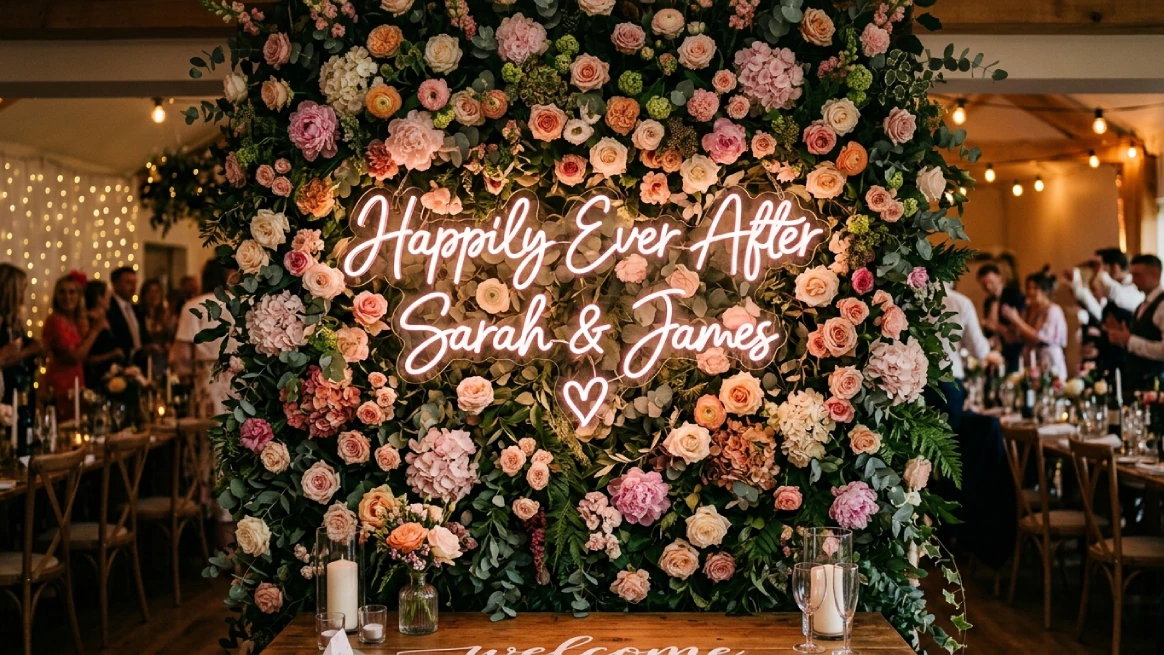
Neon-style LED signs bring a fun, personalized touch to receptions and photo areas. Couples, planners, and event designers love them for social-media-friendly décor and themed wedding designs.
The fun part is they're easy to store and transport. Protective cases keep them safe and make logistics simpler compared to bulkier rentals like furniture or structural pieces.
Profit potential looks promising too. Acquisition and storage costs tend to stay low, and customized signs can command higher rental rates. This makes neon-style LED signs a smart, low-risk addition to your inventory.
Backdrops
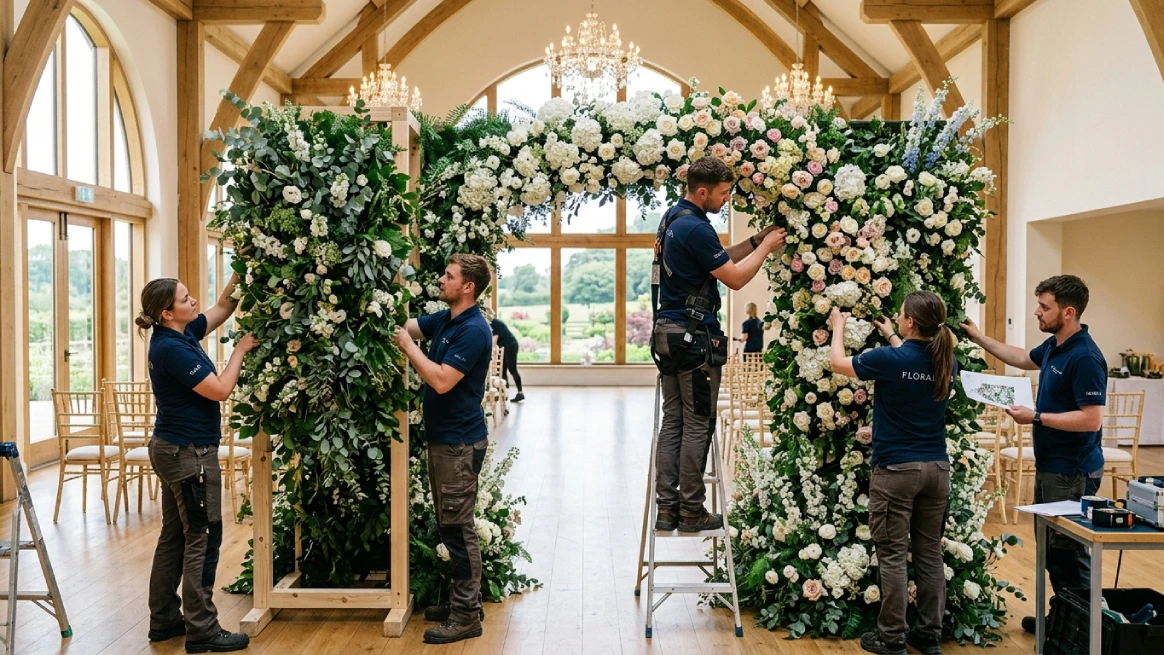
Backdrops transform ceremony spaces, sweetheart tables, and photo booths instantly. No permanent installation needed. Just flexible, stunning décor that works anywhere.
Fabric backdrops, modular panels, acrylic walls, arches, and greenery walls are all popular rental choices. Couples, planners, photographers, and venues love them. There's a style for everyone.
A few versatile designs can serve many wedding themes. You don't need a large inventory to attract different clients. Keep it simple and let your pieces do the work.
Flat-pack and modular designs store easily and transport without hassle. Larger systems need a bit more care. But with the right setup, they're completely manageable.
Versatile backdrops suit weddings, corporate events, and celebrations. One piece can serve many occasions. That means more bookings and a stronger return on investment over time.
Champagne Walls

Champagne walls are a gorgeous blend of décor and function. Guests love grabbing a glass straight from the wall during cocktail hours. It's a simple touch that creates a big, photo-worthy impression at any upscale event.
You can offer wooden, acrylic, or decorative styles. Couples, planners, and venues are your most likely renters. Demand peaks during wedding season, especially for welcome drinks and reception setups.
Storage and transport do require some care. Glassware needs secure packing and thorough cleaning after every rental. The wall itself also needs thoughtful handling to avoid damage during transit.
Profit potential could be strong. Frequent rentals boost your return. Just consider glassware replacement, cleaning, setup labor, and transport when setting your prices. The wall reuses easily across events, so margins can grow over time.
Dance Floors
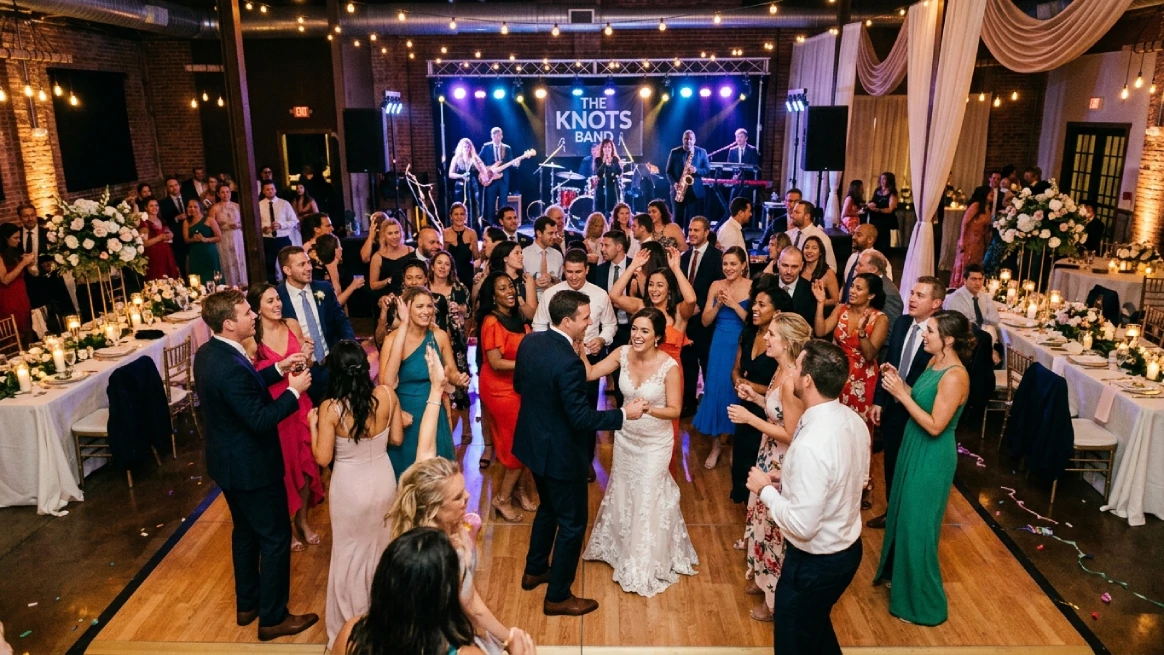
Dance floors fix a real problem for venues with bad flooring. Specialty options go further. They become stunning visual centerpieces that leave a lasting impression on guests.
Your customers will likely want modular, wood-look, black-and-white, or illuminated floors. Couples, planners, venues, and event designers are your typical renters. It's a broad market with plenty of demand.
Standard dance floors cover the basics. Specialty floors attract customers who want something dramatic. Stocking both lets you serve different budgets and styles.
Dance floors can be heavy and bulky. Larger setups need specialized carts and vehicles. You'll also need a dedicated crew to handle installation. So, plan your logistics carefully before taking on bigger jobs.
Specialty flooring can be profitable. Just make sure to account for equipment, labor, transportation, and storage costs. Factor these in before setting your prices to protect your margins.
Wedding Linens
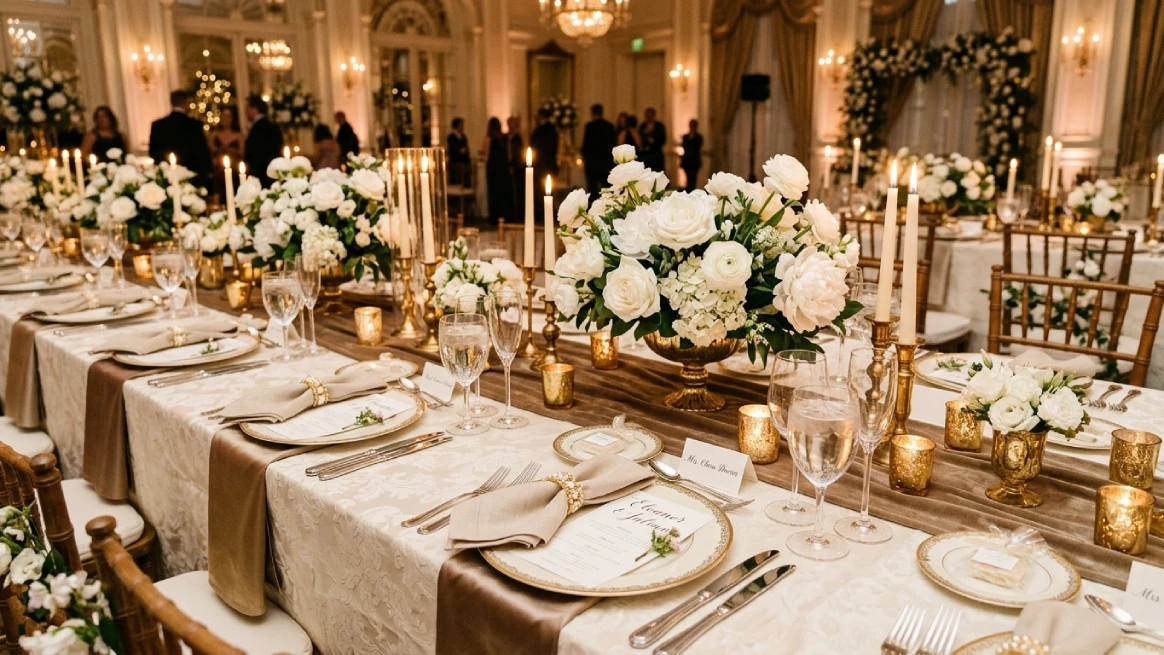
Linens are a flexible, creative way to help couples personalize their tablescapes. You can offer tablecloths, runners, napkins, and specialty fabrics to suit any wedding style or color palette.
Your customers will likely include couples, planners, caterers, venues, and event designers. A broad but carefully selected collection keeps you ready for a wide range of requests.
Storage is straightforward but important. Keep linens clean, dry, and organized. Between rentals, you'll need to wash, dry, press, fold, and inspect each piece to maintain quality.
Starting a linen rental business generally doesn't require a huge investment. Focus on a curated collection to keep costs manageable. Repeat bookings will come naturally. And over time, this can build a strong return on investment.
Linens can generate solid repeat revenue. Just remember to consider laundry and labor costs when setting your pricing. This way your margins stay healthy and your business stays profitable.
Tableware

Tableware rentals help couples create a polished dining experience. You can offer flatware, charger plates, dinnerware, glassware, and tabletop accessories. Your clients include couples, planners, caterers, and venues.
Specialty tabletop pieces help you stand out. Most competitors only offer basic event equipment. Adding unique tableware to your inventory gives clients more options and makes your business more appealing.
Keep in mind that tableware requires careful packing, cleaning, sanitization, and inspection. Tracking breakage is also important to protect your investment and maintain quality.
Individual rental prices may be modest, but larger orders and specialty pieces can boost your booking value.
As startup costs and replacement expenses can add up, ROI will likely be moderate. To maximize returns, keep inventory booked consistently and breakage low. And factor in cleaning and replacement costs when setting your pricing.
Luxury Décor
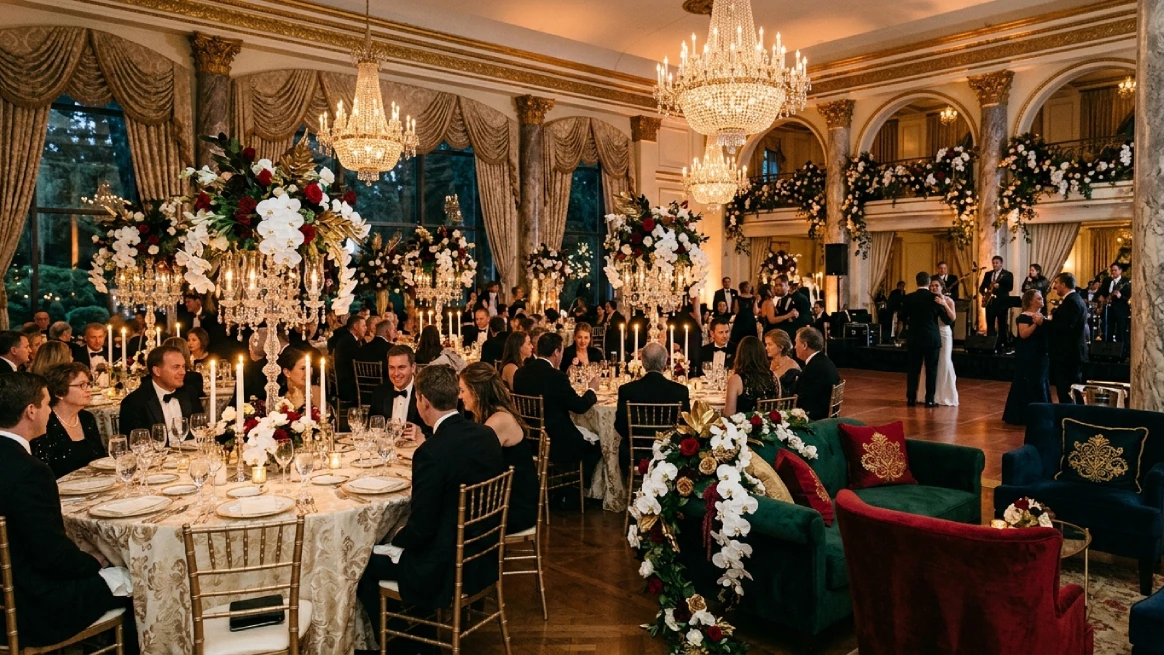
Luxury wedding rentals are perfect if you want to serve high-end clients. Think premium seating, designer tables, statement décor, specialty bars, and upscale backdrops.
Your customers will include luxury couples, wedding planners, event designers, and high-budget clients. Success here depends on your local market and your ability to deliver a polished experience.
Premium inventory needs careful handling, secure storage, and reliable transportation. Damage can be costly, so you'll need solid systems from day one.
The profit potential is real. Higher rental prices mean stronger revenue per booking. Just be ready for higher upfront costs and the extra care that premium pieces require.
Vintage Rentals
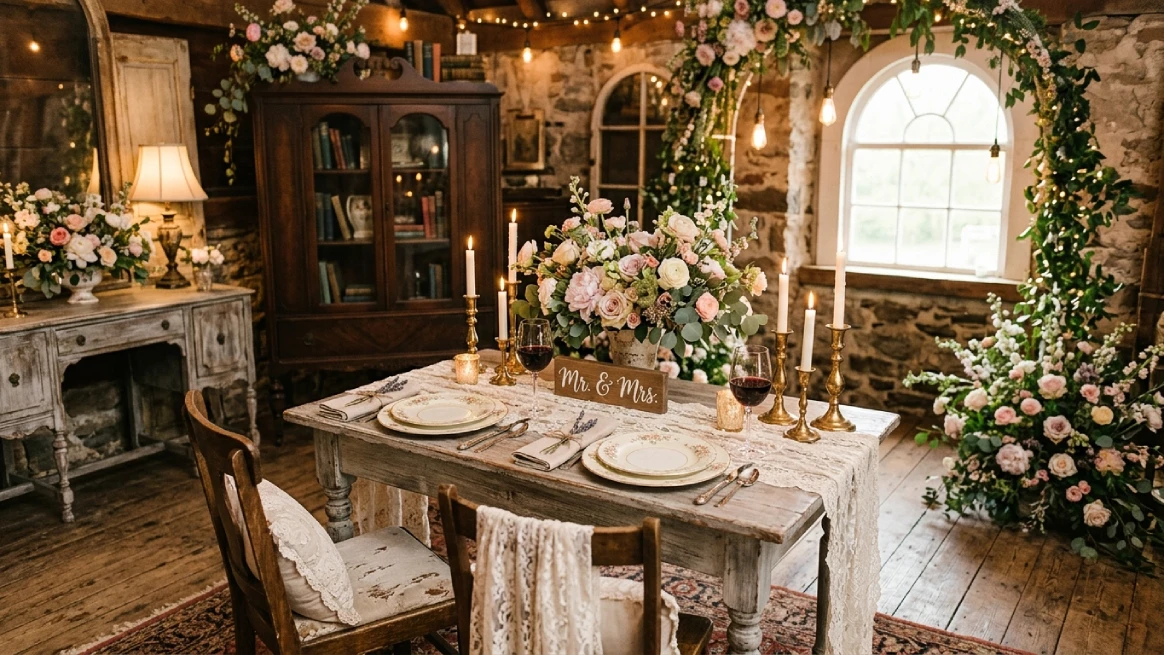
Vintage rentals attract couples who want a nostalgic, eclectic wedding. Think antique furniture, old signage, trunks, and specialty seating. These charming pieces make celebrations feel unique and timeless.
Your customers are couples, planners, photographers, and event designers. Demand is niche, but that's actually a good thing. Distinctive pieces that match local tastes can be incredibly valuable.
Vintage items need careful handling, but their character is part of their charm. Presentation matters, so storage and transport are worth prioritizing to protect their appeal.
Profit potential is strong. Unique pieces command attractive rental rates. Focus on sourcing inventory your customers love. Keep acquisition and storage costs manageable. It's a rewarding niche with real upside.
Outdoor Wedding Rentals

Outdoor weddings are a fantastic niche for rental businesses. You'll supply everything couples need for open-air celebrations, from tent rentals to lighting and flooring.
Your customers include couples, planners, venues, and homeowners. Corporate events also use this inventory. That means you can drive bookings outside of the wedding season and keep utilization high year-round.
Storage, transportation, and setup labor are worth factoring in. Tents and structural equipment take up space and require a reliable crew to move and install them efficiently.
Tents and structural equipment take up significant storage space. You'll also need a reliable crew to transport and install them. Price with labor and logistics in mind.
Outdoor packages can generate strong booking values. Just make sure your pricing accounts for equipment costs, transportation, labor, and liability. Get these numbers right and profit potential is high.
Backyard Wedding Packages
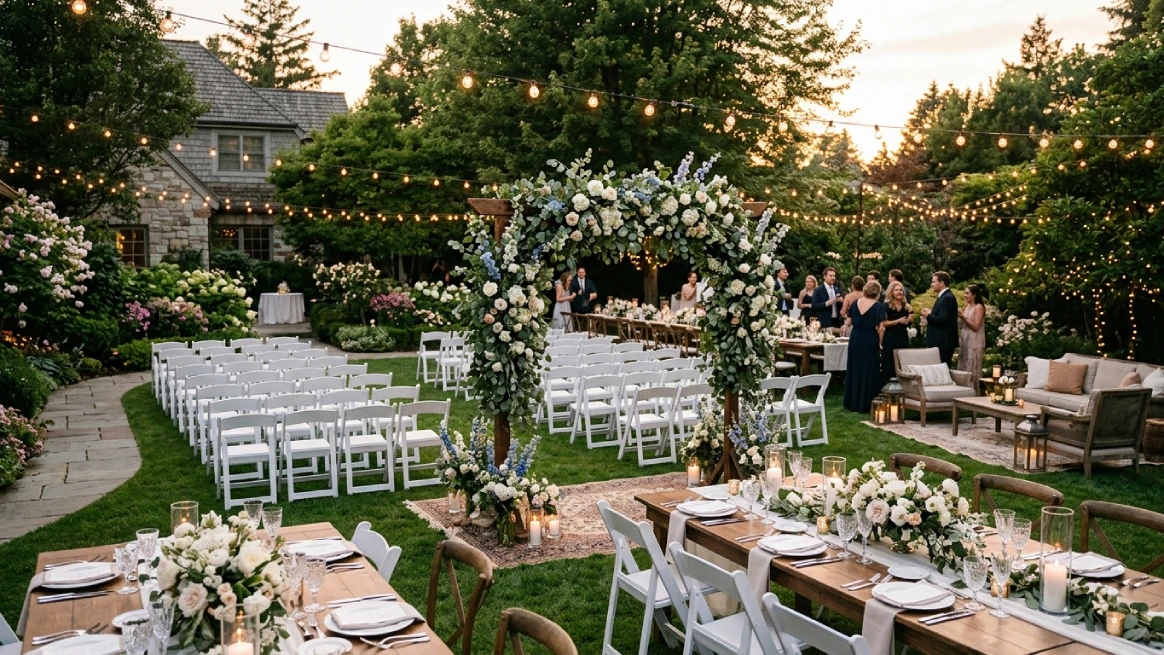
Backyard packages bundle tents, tables, chairs, linens, lighting, and décor into one convenient offering. This simplifies planning for couples hosting intimate celebrations and helps them understand event costs upfront.
These packages attract couples planning backyard weddings, private parties, and smaller gatherings. Bundling multiple inventory types together increases your average booking value while moving several rental categories in a single order.
Efficient delivery, setup, and pickup matter most here. Since packages combine multiple items, strong logistics keep everything running smoothly. Price each package carefully to cover labor, cleaning, transportation, and other costs while staying profitable.
Wedding Rental Ideas Comparison Table
| Rental Item | Startup Cost | Demand | Profit Potential | ROI |
|---|---|---|---|---|
| Wedding décor | Low–Medium | High | High | High |
| Wedding arches | Low–Medium | High | High | High |
| Flower walls | Medium | High | High | High |
| Chairs & tables | High | Very High | Medium–High | Medium–High |
| Lounge furniture | Medium–High | High | High | High |
| Neon signs | Low–Medium | Medium–High | High | High |
| Backdrops | Low–Medium | High | High | High |
| Champagne walls | Low–Medium | Medium–High | High | High |
| Dance floors | High | Medium–High | High | Medium–High |
| Linens | Low–Medium | High | Medium | Medium–High |
| Tableware | Medium | High | Medium | Medium |
| Luxury décor | Medium–High | Medium | Very High | High |
| Vintage rentals | Low–Medium | Niche | High | High |
| Outdoor rentals | High | High | High | Medium–High |
Disclaimer: These figures are general estimates for comparison purposes only. Actual costs, demand, profitability, and ROI depend on your local market and business model. Consult qualified professionals and conduct local research before investing.
Choosing Your Wedding Rental Business Name

Your business name shows up everywhere: your website, invoices, social profiles, and referrals. A strong, memorable name builds your brand and leaves a lasting impression on every couple you work with.
Think about the position you want to own. A name like Luxury Lane Rentals feels different from Rustic Barn Rentals. Choose something that reflects your style and speaks directly to your ideal customers.
Aim for a name that feels natural and rolls off the tongue. Avoid tricky spellings or long phrases. Using a relevant wedding or rental word in your name can help customers instantly understand what you offer.
Before you commit, check domain availability and search major social platforms for matching handles. Consistent branding across channels makes you easier to find and more professional.
Finally, run a basic trademark search in your target markets. A name that sounds perfect is not useful if someone else already owns it. Leave room to grow, too!
Try Our Free AI Wedding Rental Business Name Generator
Finding the perfect business name can take hours. Instead of brainstorming from scratch, use the Free AI Wedding Rental Business Name Generator below to instantly generate creative, brandable, and niche-specific name ideas tailored to your vision.
Rental Business Names Generator
Rental business name with domain lookup.
Why Use Our AI Wedding Rental Business Name Generator?
A name generator can save you from staring at a blank screen for hours. Instead, you can start with a collection of ideas and refine the ones that feel right.
It is free, so you can experiment without adding another startup expense. You can also generate unlimited ideas until something clicks.
Because the suggestions are AI-generated, you can explore different naming directions quickly. Try luxury names, rustic concepts, modern brands, or something more playful.
The tool also keeps your business focus in mind. This helps you find brand-focused ideas. No random words that sound nice but mean nothing. Every suggestion connects back to your company.
Most importantly, it provides instant inspiration. You do not have to use any suggestion exactly as generated. Combine ideas, change words, and create something that feels uniquely yours.
Give Your Wedding Rental Business a Memorable Name
Generate brand-focused ideas quickly, then choose a name that fits your style and future plans.
- 14-day free trial
- No credit card required
150 Wedding Rental Business Name Ideas
Need some inspiration? Browse the name ideas below. They cover many styles to spark your creativity. Always check trademarks, domains, and social handles before settling on a name for your business.
Luxury Wedding Rental Names
- Opulent Vows Rentals
- Luxe Wedding House
- Royal Rose Rentals
- Velvet Vow Rentals
- Grand Affair Rentals
- Elite Event Collection
- Gilded Grace Rentals
- Luxe & Lace Rentals
- Prestige Wedding Rentals
- Golden Aisle Rentals
- The Luxury Wedding Co.
- Diamond Day Rentals
- Regal Table Rentals
- Platinum Wedding Rentals
- The Opulent Occasion
Elegant Wedding Rental Names
- Ever After Rentals
- Graceful Gatherings
- Elegant Aisle Rentals
- Timeless Vows Co.
- Simply Elegant Rentals
- The Wedding Edit
- Grace & Gather Rentals
- Pearl & Petal Rentals
- The Elegant Affair
- Beautifully Wed Rentals
- Refined Vow Rentals
- Classic Grace Events
- The Bridal Collection
- Purely Wed Rentals
- Cherished Day Rentals
Rustic Wedding Rental Names
- Rustic Vow Rentals
- Barn & Bloom Rentals
- The Rustic Aisle
- Cedar & Lace Rentals
- Wildwood Wedding Co.
- Timber & Vows Rentals
- Rustic Rose Events
- Oak & Ivory Rentals
- Meadow Vow Rentals
- The Country Wedding Co.
- Barn Door Rentals
- Rustic Charm Rentals
- Willow & Wood Events
- Countryside Vows
- Rustic Gatherings Co.
Modern Wedding Rental Names
- Modern Vow Rentals
- The Modern Aisle
- WedHaus Rentals
- Vow Studio
- Modern Muse Rentals
- The Wedding Space
- Slate & Vow Rentals
- Urban Aisle Co.
- The Modern Table
- Studio Wedding Rentals
- NuVow Rentals
- Modern Affair Co.
- Vow Collective
- The Event Edit
- Modern Ceremony Co.
Vintage Wedding Rental Names
- Vintage Vow Rentals
- The Vintage Aisle
- Old Soul Rentals
- Antique Rose Events
- Vintage Grace Co.
- Heirloom Wedding Rentals
- The Vintage Affair
- Belle & Brass Rentals
- Timeless Treasure Events
- Retro Rose Rentals
- Vintage Charm Co.
- The Heirloom Collection
- Old World Weddings
- Vintage Table Co.
- Yesterday & Vows
Floral Wedding Rental Names
- Petal & Vow Rentals
- Blooming Aisle Co.
- Floral Affair Rentals
- Petal Grace Events
- Bloom & Bride Rentals
- Rose & Ribbon Co.
- Garden Vow Rentals
- The Floral Wedding Co.
- Bloomed Events
- Petals & Pearls Rentals
- Wildflower Vows
- Blossom & Lace Rentals
- Garden Grace Events
- The Bloom Collection
- Petal House Rentals
Minimalist Wedding Rental Names
- Simply Vow
- The White Table
- Bare & Beautiful Rentals
- Vow & Co.
- Simple Affair Rentals
- The Minimal Wedding Co.
- Pure Vow Rentals
- Clean Slate Events
- The Simple Aisle
- White Space Weddings
- Simply Wed Co.
- Modern White Rentals
- The Essential Wedding
- Quiet Elegance Rentals
- Minimal Muse Events
Creative Wedding Rental Names
- Vow & Wonder
- The Wedding Canvas
- Aisle & Aura
- Evermore Events
- The Pretty Setup
- Vow & Vine Rentals
- The Celebration Studio
- Love Story Rentals
- The Wedding Workshop
- Aisle Alchemy
- The Event Canvas
- Once Upon A Wedding
- Vow Vision Rentals
- The Ceremony Studio
- Happily Rented
Catchy Wedding Rental Names
- Wed & Wow Rentals
- Rent the Romance
- Vow Wow Rentals
- Aisle Style Co.
- Wed Ready Rentals
- The Vow Spot
- Say Yes Rentals
- Hitched & Styled
- Love It Rentals
- Wed Scene Rentals
- Aisle Ready Co.
- The Wedding Plug
- Vow Vibes Rentals
- The Big Day Co.
- Wedding Wow Rentals
Premium Wedding Rental Names
- Signature Vow Rentals
- Premier Wedding Collection
- The Signature Affair
- Crown & Ceremony
- First Class Vows
- Signature Event Rentals
- The Wedding Reserve
- Premier Aisle Co.
- The Grand Wedding Collection
- Elevated Vow Rentals
- The Bridal Reserve
- Signature Ceremony Co.
- The Wedding Atelier
- Elevated Affairs
- The Prestige Collection
How to Write a Wedding Rental Business Plan

Starting a rental business plan is easier than you think. Work through each section step by step, and you'll have a clear plan before spending a single dollar.
Begin with a short business overview. Describe what you'll rent, who you'll serve, and what makes you different. Keep it simple, just enough to capture your idea at a glance.
Next, define your target customer. Think about location, wedding size, budget, and style. A focused audience shapes everything from your inventory to your pricing.
Then run a business analysis to study your competitors. Review their inventory, pricing, and reviews. Look for gaps you can fill and reasons customers should choose you instead.
Outline your revenue streams after that. Think beyond basic rentals. Consider packages, delivery, setup, and styling services. Multiple income sources make your business more resilient.
Estimate your startup costs honestly. Include inventory, storage, insurance, software, and working capital. Separate one-time purchases from ongoing monthly expenses to understand your cash needs.
Build your marketing plan next. Choose channels your ideal customer actually uses. Local SEO, social media, wedding directories, and venue partnerships are some of the great starting points.
Then create financial projections using conservative numbers. Forecast bookings, revenue, and break-even points across different scenarios.
Finally, map out your growth strategy. Expand inventory, hire staff, or widen your service area only after proving consistent demand.
Know the Plan Before You Buy the Inventory
Build a practical roadmap for your wedding rental business before committing your money and time. Download our free Wedding Rental Business Plan Template to get started.
Legal Requirements for a Wedding Rental Business

Starting a wedding rental company means more than buying inventory and finding customers. Legal rules matter too. Requirements vary by location and business type. Before launching your rental business, consult a local attorney or licensing authority.
Registering Your Business
Selecting a suitable business structure is an important early decision. Register your company based on local requirements, which may include a business name, tax ID, or other government filings.
Your registration needs can shift depending on how you operate. Working from home, hiring staff, or using commercial vehicles may each trigger different requirements worth checking carefully.
Never assume one registration covers everything. Rules vary across cities, counties, and states. A quick check with your local authorities keeps you compliant and confident as you move forward!
Choosing an LLC
In the United States, a limited liability company, or LLC, is one business structure an owner can consider.
An LLC can provide liability protection when it is properly established and maintained. However, it does not create unlimited protection against every type of personal liability.
It also does not replace insurance.
Before choosing an LLC or another structure, consider your ownership situation, taxes, costs, future plans, and potential risks.
Professional advice can help you choose an appropriate structure rather than simply following what another rental company uses.
Licenses and Permits
Licensing requirements depend heavily on your location and business activities.
Different business activities can come with different legal requirements. A basic rental operation differs from one that stores equipment, transports structures, installs tents, or manages delivery crews.
Check whether your local authorities require business licenses, zoning approval, permits, or other authorizations.
Also consider venue-specific requirements. Some venues have their own requirements. They may ask for insurance documents, vendor registration, or safety paperwork.
Check with each venue before booking. Don't assume your standard setup will be approved.
Sales Tax
Wedding rental transactions may be subject to sales tax or other applicable taxes. Rules vary by location and product type. Check what applies in your area before setting prices or sending invoices.
Delivery, setup, styling, and other charges may receive different tax treatment depending on local rules.
Before publishing prices, determine which taxes apply to your transactions. Then build the appropriate tax treatment into your checkout, invoices, and rental agreements.
A tax professional can help if you are unsure about your responsibilities.
Rental Contracts
A solid rental agreement sets clear expectations and protects everyone involved. It should cover exactly what's being rented, key dates, delivery windows, quantities, accessories, and any included services.
Payment terms need to be clear. Include deposit amounts, final payment deadlines, and accepted payment methods. State any late-payment fees upfront. This avoids confusion later.
Your agreement should also address cancellations, refunds, date changes, and damage. Including a liability waiver helps protect your business if something unexpected happens during the event.
Delivery terms should cover your service area, access needs, fees, and timing. If setup and teardown are included, define exactly what that means. Keep it simple and specific.
For customer pickups, explain how equipment should be collected and returned. State any charges that apply for late returns so customers know what to expect.
Contract rules vary by location, so have a qualified professional review your agreement before putting it to use.
Business Insurance
Insurance for your rental business shields you from covered risks. The right policy depends on your inventory, vehicles, employees, storage, and services. Choose coverage that fits your needs.
General liability insurance can help address covered third-party bodily injury and property-damage claims arising from your business.
Property or equipment coverage protects your rental inventory against covered losses. This can be especially important when your business owns thousands of dollars in chairs, tables, décor, and furniture.
Commercial vehicle coverage can be necessary when vehicles are owned or regularly used for business purposes.
Some wedding venues may also request proof of insurance or a certificate of insurance before allowing your company on-site.
Consider speaking with an insurance professional who understands rental businesses. The cheapest policy is not necessarily the right policy.
Damage Waivers
A damage waiver helps clarify how accidental damage is handled during a rental. It sets clear expectations for your customers before equipment ever leaves your hands.
When offering one, explain its terms simply. Cover what's included, what's excluded, the cost, and when customers are still responsible for repair or replacement.
Keep in mind that normal wear is usually treated differently from theft, misuse, or intentional damage. Being upfront about these distinctions builds trust with your customers.
A damage waiver isn't a substitute for proper insurance. Its legal weight depends on your contract and local laws.
Before adding one to your rental process, have a qualified professional review the wording. Handling this early can spare you from much bigger issues in the future.
How Much Does It Cost to Start a Wedding Rental Business?
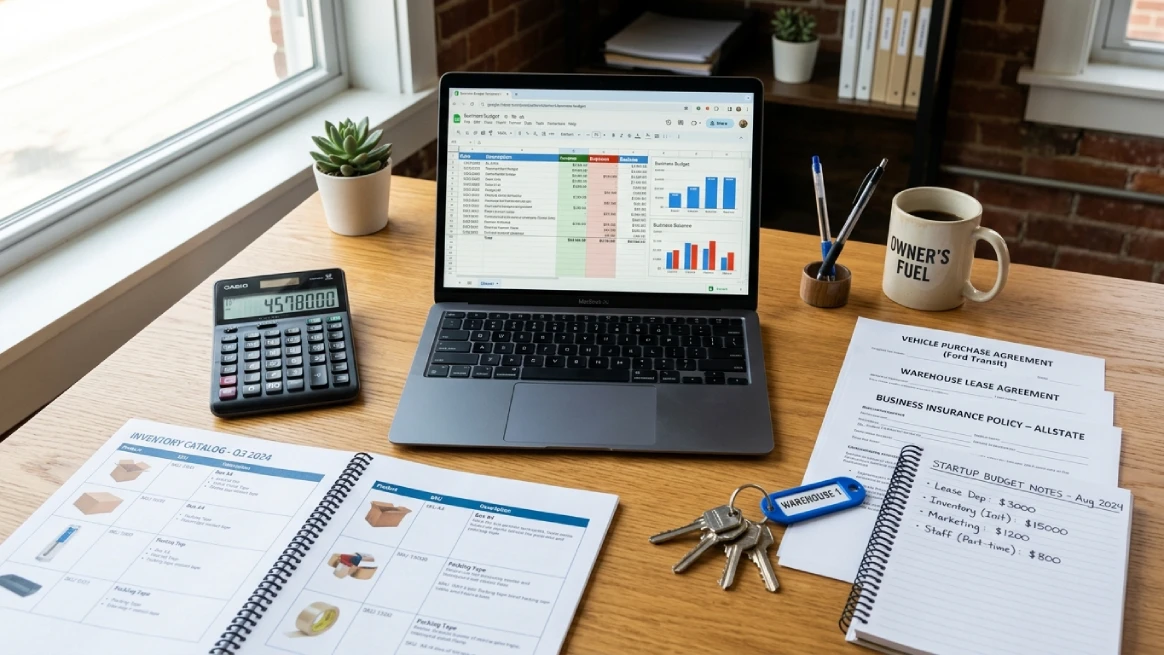
Starting a wedding rental business costs vary widely. Your niche, inventory, location, and service model all play a role. A home-based décor setup costs far less than a full-service operation with staff and commercial storage.
Wedding Rental Startup Cost Breakdown
Startup costs vary widely by location, inventory, and business model. The figures below are illustrative planning scenarios. You can use them as a starting point, then gather real local quotes.
| Expense | Lean Launch | Mid-Size Launch | Premium Launch |
|---|---|---|---|
| Estimated total startup capital | $15,000–$50,000 | $50,000–$125,000 | $125,000–$300,000+ |
| Inventory | $5,000–$15,000 for décor, arches, backdrops, linens | $30,000–$50,000 for décor, furniture, tables, chairs, tableware | $80,000+ for furniture, specialty décor, tents, staging |
| Storage | Home, garage, or small unit* | Small commercial space or shared warehouse | Large warehouse or dedicated facility |
| Vehicle | Existing vehicle, rental, or third-party delivery* | Used van, truck, or trailer | Dedicated vehicle, box truck, or fleet |
| Insurance | Get a local quote | Liability, equipment, auto, and other applicable coverage | Broader coverage for liability, property, equipment, vehicles, and staff |
| Website | Basic DIY site | Professional site with SEO and quote forms | Custom site with booking tools and integrations |
| Software | Basic accounting, payment, and scheduling tools | Rental-management software | Integrated rental, CRM, route, and accounting tools |
| Marketing | Google Business Profile, social media, referrals | SEO, paid ads, partnerships, content, expos | Multi-channel campaigns, CRM, partnerships, multiple markets |
| Photography | Small product or styled shoot | Professional product and portfolio photos | Commercial photography, video, and campaign assets |
| Cleaning | Basic supplies and steamer | Dedicated cleaning and laundry equipment | Commercial cleaning setup and quality-control system |
| Repairs | Small repair reserve | Maintenance reserve and basic repair setup | Larger replacement reserve and specialist repairs |
| Office | Home-based administration* | Basic office near storage | Dedicated office, showroom, and staff space |
| Working capital | $4,000–$12,000 | $15,000–$40,000 | $50,000–$150,000+ |
*Subject to local zoning, lease, insurance, and other applicable requirements.
Disclaimer: These are illustrative planning ranges, not guaranteed or industry-standard costs. Actual expenses vary by location, inventory, storage, transportation, insurance, staffing, and business model. Research local costs and obtain quotes before investing.
Ways to Reduce Startup Costs
A lean launch reduces risk and builds something valuable: real customer data. You learn which products local couples actually want before committing serious capital.
Start with versatile products that suit multiple wedding styles. Buy used inventory when condition and availability make sense. Avoid filling storage with untested products.
Home storage can lower early overhead when local rules and insurance allow it. Pickup rentals limit delivery costs. Reinvest early profits into inventory that already shows booking demand.
Test expensive products before buying them. Cross-renting specialized items from another company reveals whether customers want them often enough to justify ownership. That keeps your early cash working harder.
Buying Wedding Rental Inventory
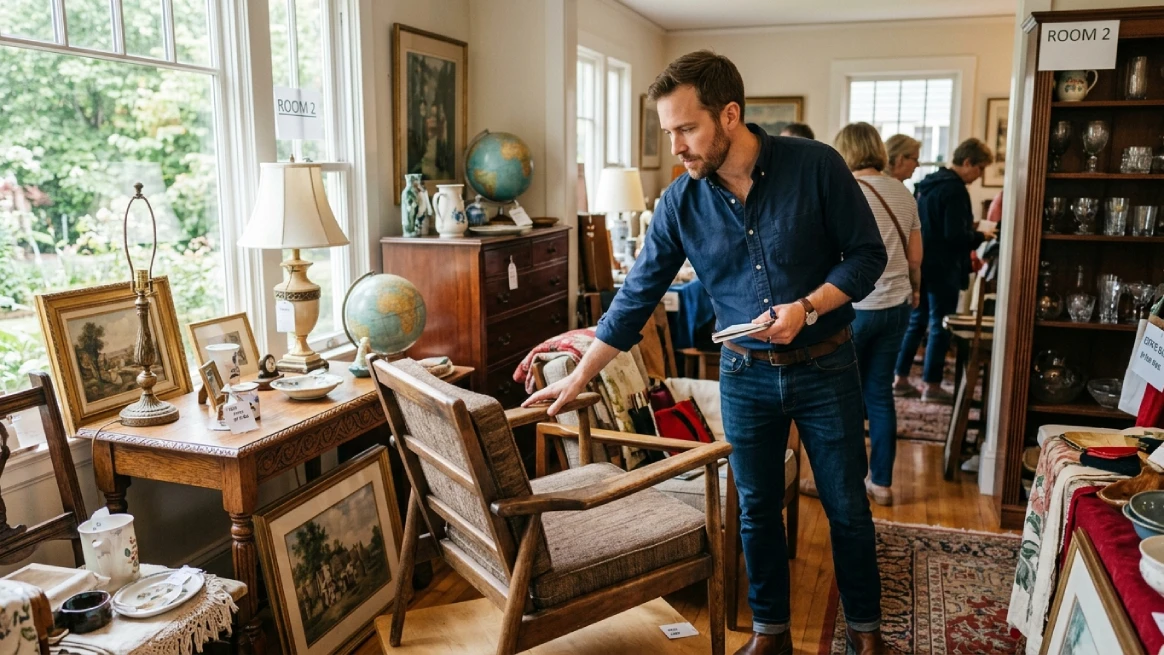
Inventory is your biggest financial commitment. Buy what customers want, what lasts, and what earns its keep. Consider shipping, storage, cleaning, and repairs, not just the sticker price.
Where to Buy Wedding Rental Inventory
Your sourcing strategy should match your inventory needs.
Wholesale suppliers work well for standard products. Manufacturers suit large-volume or specialized purchases. Event rental suppliers offer items built for repeated commercial use.
Local suppliers suit smaller orders, custom pieces, or urgent replacements. Used marketplaces are worth exploring too. You can often find chairs, tables, vehicles, and décor at lower prices without stretching your budget.
Estate and liquidation sales can uncover unique vintage pieces. Just keep in mind that condition and consistency can vary, so inspect carefully before committing to a purchase.
Before placing a big order, look beyond the unit price. Compare shipping, minimums, lead times, and warranties. Check that replacement parts are available. You'll also want to confirm the product will stay in stock long-term.
Buying Used vs. New
Both options can work well. Your best choice depends on your capital, product category, and quality expectations. Think about what your customers expect too.
| Factor | Used | New |
|---|---|---|
| Upfront cost | Usually lower | Usually higher |
| Condition | Can vary | Generally more predictable |
| Appearance | May show wear | Usually more consistent |
| Customization | Often limited | Usually more options |
| Replacement | Maybe difficult | Often easier |
| Best fit | Lean or selective purchasing | Premium or established operations |
Used inventory can stretch your startup budget significantly. However, always inspect items carefully before buying. Small cosmetic defects can quickly become customer complaints, especially when products appear in wedding photos.
New inventory offers consistent appearance and easier replacement. That consistency builds a recognizable collection. Planners, venues, and repeat clients often notice the difference. It can strengthen trust in your brand over time.
Wholesale Suppliers
Wholesale purchasing can reduce per-unit costs when you need meaningful quantities. However, cheaper units do not automatically create better economics.
Check minimum order quantities carefully. Review shipping charges, lead times, and product quality.
Confirm warranty terms and replacement policies. Ask about reorder availability too. Each factor shapes your true cost per unit.
Consistency matters. If a customer needs fifty more chairs later, matching the original style is easier when your supplier keeps steady stock.
Do not allow a wholesale discount to convince you to purchase inventory faster than your bookings justify. Unsold products still consume storage space and capital.
Importing Inventory
Direct importing can offer great deals. But it adds real complexity. Watch out for minimum order quantities, freight costs, customs charges, longer lead times, quality inspections, and shipping damage.
Supplier reliability matters as much as price. A supplier may impress you on the first order, then become difficult later. Read customer feedback and request references before making your final choice.
Sometimes paying more locally is the smarter move. Faster delivery, easier inspections, and simpler replacements save time and stress. Clear communication with local suppliers can also save you money in the long run.
Choose the approach that fits your business and circumstances best. Your budget, product type, and how quickly you need stock should guide your sourcing decisions. There's no single right answer here.
Starting with a blend of local and imported products can also work well. It lets you test suppliers, manage risk, and build confidence before scaling your importing efforts further.
Initial Wedding Rental Inventory Checklist
Your first inventory should reflect your niche, not every wedding style.
A focused collection is simpler to market, store, and manage financially. Start small, stay intentional, and build from there.
Décor specialists might begin with arches, backdrops, signage, and flower walls. Furniture-focused businesses may prioritize chairs, tables, bars, and lounge pieces. Linens and tabletop items can complement either direction beautifully.
Don't forget logistics equipment. Dollies, hand trucks, straps, protective bags, and cleaning supplies are essential. They keep your inventory moving safely and ensure every item arrives in perfect condition.
As bookings grow, let your sales data guide purchasing decisions. Customer requests carry more weight than online trends. If multiple clients ask for something you don't own, that's your strongest signal to invest.
Pricing Your Wedding Rentals

Buying inventory is only half the equation. You also need a smart pricing system. It should cover your costs and turn every booking into sustainable revenue.
Wedding Rental Pricing Formula
No single formula works for every market. Build your rate from real costs: acquisition, shipping, storage, cleaning, maintenance, labor, delivery, setup, teardown, and replacement needs. Then add the profit your business requires.
Rental frequency shapes your rate, too. Items booked often can be priced differently than specialty pieces rented occasionally. Consider how many bookings each item realistically generates across its useful life.
A simple equation keeps things clear:
Sustainable Rental Price = Total Rental Costs + Desired Profit
Test your rate against competitors and customer expectations. If the market won't support it, rethink your product mix. Don't cut your margin to fit a price that doesn't work.
Markup and Rental Rates
Purchase price alone should never set your rental rate. Two items with similar costs can earn very differently based on demand, lifespan, storage, transportation, labor, and customer value.
Think beyond the basics. A standout backdrop may justify a higher rate because customers pay for visual impact. A bulky item needs a higher rate to cover extra storage and transport costs.
Revisit your rates regularly. Costs, competition, and customer demand shift over time. Your pricing needs to keep up. Staying current keeps your business healthy and competitive.
Build Wedding Rental Packages
Packages make wedding planning easier and increase the value of each booking. They give customers a clear starting point when individual product choices feel overwhelming.
Bundle pricing helps you present more value without complicating your offerings.
A ceremony package might include an arch, chairs, and décor. A reception package could cover tables, seating, linens, and tabletop pieces. Both give customers a polished, cohesive look they'll love.
Backyard packages can cover outdoor essentials. Luxury packages can include premium seating, lounge furniture, and specialty décor. Whatever the style or budget, you can build a package that fits.
You can also build broader packages covering both ceremony and reception needs together. Keep them flexible so customers can add or remove items easily. This way, every booking feels personalized without turning into a fully custom proposal.
Weekend and Seasonal Pricing
Wedding demand shifts throughout the year, and your pricing should reflect that.
Smart pricing means knowing when to charge more and when to offer less. Flexible pricing helps your rental business grow.
Peak weekends often justify higher minimums. Your inventory is worth more on popular dates. Use flexible pricing to capture that demand and quote with confidence.
Weekday and off-season dates are slower. But they're still an opportunity. Thoughtful promotions can keep your inventory earning revenue during quieter periods. Just make sure your costs and margins are protected.
Avoid deep discounts. Too many sales can make customers expect discounts before they buy. Instead, offer incentives that feel valuable. Make sure they don't undermine the rates you've worked hard to set.
Your own booking history is your best pricing guide. Review it by month, day, product, and customer type. Real data beats industry assumptions every time.
Delivery and Setup Fees
Delivery can be a great revenue stream, but it can quietly eat into your margins. So, price it carefully. Base your rates on the actual resources needed to complete the job.
Think about travel distance, fuel, vehicle costs, loading, unloading, and setup labor. Teardown and difficult venue access add up too. So do product size and quantity. These costs can accumulate quickly.
Some businesses use delivery zones, others use mileage rates, minimum order thresholds, or a mix of all three. There's no single model that works for everyone, and that's completely fine.
What matters most is clarity. Before a customer books, they should know exactly what's included. Does delivery cover setup? Does teardown cost extra? What about tricky venue access?
Being upfront builds trust. It also reduces awkward conversations later. A clear pricing structure gives customers confidence. And it helps you protect your margin. No surprises for either side.
Damage Deposits and Waivers
Damage deposits and damage waivers can help establish financial responsibility, but they serve different purposes and should not be treated as interchangeable.
A deposit can provide security against certain losses or damage. A waiver may define how specified accidental damage is handled under your agreement.
Explain the terms clearly. Customers should know what the charge covers, what it excludes, when funds are returned, and which situations remain their responsibility.
Do not treat a waiver as a substitute for insurance. Legal requirements and enforceability can differ by jurisdiction, so have your rental agreement reviewed locally before using it.
Cancellation and Late Fees
Your rental agreement should make cancellation and payment expectations clear before a customer commits to the booking.
Explain deposit or retainer requirements, final payment deadlines, cancellation windows, date changes, refunds, credits, late payments, late returns, and replacement charges.
Clear policies protect both sides. Customers know what happens when plans change, while your business has a consistent way to handle difficult situations.
Contract and consumer-protection laws differ depending on where you operate. The terms that works for another company may not work for yours. Have a legal professional review your rental agreement to make sure it complies with local laws.
Wedding Rental Pricing Examples
Rental rates vary by market, quality, and competition. The figures below are illustrative examples for planning only.
| Rental Product | Illustrative Rental Range |
|---|---|
| Wedding arch or backdrop | $175–$250 |
| Resin or crossback chair | $6–$12 per chair |
| Velvet lounge set | $250–$560 per set |
| Silk flower wall | $300–$600 |
| LED neon sign | $50–$150 |
Disclaimer: These are illustrative U.S. rental ranges only. Actual rates vary by location, item quality, season, and fees like delivery or setup. Always research your local market before setting your own prices.
Setting Up Storage, Delivery & Logistics
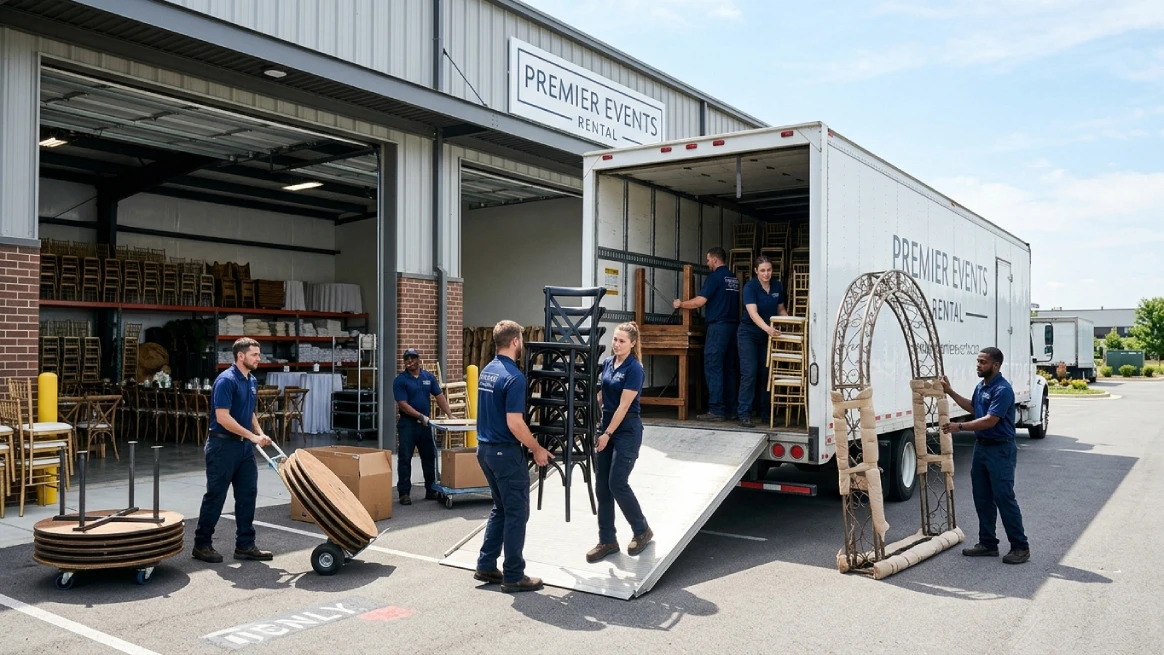
Storage, delivery, and logistics need structure from day one. Every rental booking creates a physical cycle. So, set it up early. That way it runs smoothly and scales well.
Your storage space should match your inventory size. A garage works for small operations. Storage units or warehouses offer room to grow. Always keep rent-ready, reserved, and damaged items clearly separated.
Inspect every return before putting it back on the shelf. Clean it, repair it if needed, then store it. Set a clear "rent-ready" standard so your whole team knows exactly what that looks like.
Choose a vehicle that fits your inventory. Vans work well for lighter items. Trucks and trailers are better for large furniture or busy weekends. Think about fuel, insurance, and maintenance costs before committing.
Wedding deliveries are time-sensitive. Always build in extra time for travel, setup, and surprises. As your bookings grow, use route planning tools to keep multiple deliveries on track without the stress.
Standardize every step, from pulling inventory and loading vehicles to delivery, pickup, and post-pickup cleaning. Run regular audits to keep your records accurate. That way, what customers book is always what you actually have.
Building a Website That Books Weddings

Your website needs to do more than simply make a good first impression. It should answer customer questions, showcase your inventory, build trust, and make it easy for visitors to take the next step toward booking.
Before focusing on search optimization, make sure your site flows well. Visitors should move naturally from inspiration to information, then from information to inquiry, without any friction along the way.
A great wedding rental website includes portfolios, product galleries, pricing guidance, inquiry forms, testimonials, FAQs, and clear calls to action. High-quality photos of your products in real wedding settings make a big difference.
For search optimization, start with relevant terms like wedding arch rentals or wedding chair rentals. Local SEO matters here. Clearly list your service areas and keep your business info accurate and consistent across platforms.
Create location pages only if they genuinely help customers. Answer common questions such as, “What does it cost to rent wedding chairs?. Regular blogging, strong internal links, and a smooth mobile experience can help more people find you online
Building this from scratch takes time. A platform like RentMy makes it easy. Within a few clicks, you get a ready-made, SEO-friendly website with built-in booking and payments. Yes, no coding needed!
Give Couples an Easier Way to Book
Put your inventory, availability, booking, and payments in one professional website built for rental businesses.
- 14-day free trial
- No credit card required
Marketing Your Wedding Rental Business

Great inventory is just the start. Marketing helps the right couples and wedding professionals actually find you. Your goal is visibility, trust, qualified inquiries, and profitable bookings.
You can start with Google Business Profile. It gets your business showing up on Google Search and Google Maps for free. Keep your details accurate, add strong photos, and collect genuine reviews.
Your website should support your local presence. SEO for your rental business helps couples find you when searching locally.
Build useful, location-specific pages around your services. Answer real customer questions rather than stuffing pages with keywords. Use Google Trends and Google Keyword Planner to guide your content.
Pinterest and Instagram are natural fits for wedding marketing. Share styled setups, venue transformations, and behind-the-scenes content. Tag venues and vendors to reach wider audiences.
TikTok works well for quick, authentic videos. Show venue transformations, rental packages, and everyday operations. Keep it short and genuine.
List your business in relevant wedding directories. Complete every profile carefully and keep it updated.
Email can become one of the strongest tools in your marketing toolbox. Use it to send booking confirmations, reminders, seasonal offers, and helpful tips. Keep it useful, not pushy, and past customers could become your best referral sources.
A happy customer is your best marketer. Create a simple referral program with a clear reward, like account credit or a discount. Keep it easy to understand. Focus on genuine recommendations.
Wedding venues are one of your most valuable referral partners. Couples trust their recommendations. Introduce yourself professionally and share your policies, insurance, and contact details. Be reliable. One late delivery can cost you a valuable long-term partnership.
Wedding planners can send you repeat business all year. Make their job easy. Respond quickly, deliver reliably, and communicate clearly. Earn their trust, and they'll keep coming back with new clients.
Paid social ads let you show your rentals to local couples actively planning events. Skip the homepage; send clicks to specific offers like wedding arches or lounge packages. Use real event photos, match your landing page to your ad, and track bookings, not just likes.
Need extra support? RentMy marketing services help rental businesses grow their online presence without doing everything alone.
How to Get Your First 100 Wedding Rental Customers

Getting your first 100 customers starts with building real relationships. Connect with planners, venues, photographers, florists, and caterers before you need referrals.
Be genuine, showcase your work, and make it easy for vendors to recommend you. Formalise these relationships with vendor partnerships, where you cross-promote each other's services to reach more couples.
Styled shoots are a smart early move. Partner with other vendors to create polished setups that generate months of marketing content, from website photos to social posts, before you even have real weddings booked.
Wedding expos are worth it. You'll meet couples who are ready to book. Show up with a great stand, clear pricing, and an easy way to capture inquiries. Bookings will follow.
Show up professionally everywhere. Deliver on time, protect venues, and follow up quickly on every inquiry. Couples often contact multiple vendors at once, so a fast, clear response can win the booking.
Ask happy customers for honest reviews after every event. Genuine reviews build trust and make new couples more comfortable choosing a newer business.
Track where your best leads come from. Some channels bring attention; others bring bookings. Focus your energy where it counts.
Every great experience creates reviews, referrals, and future bookings. That cycle is how your rental business builds real, lasting momentum.
Build your content marketing alongside all of this. Share setup photos, behind-the-scenes moments, and real wedding features consistently across your website and social channels. Useful content gives your other marketing channels more power.
Managing Inventory Without Losing Money

Tracking inventory across multiple bookings gets complicated quickly. You need a system that shows exactly what is available, reserved, being cleaned, and scheduled for delivery at all times.
Common Wedding Rental Inventory Challenges
Manual tracking works fine at first. But as your business grows, small mistakes start adding up. Missed details and costly errors follow quickly. The system that once worked will start working against you.
Handling double bookings is one of the most common issues. Two customers get the same chair on the same Saturday. That kind of mistake spreads fast.
Damaged items create another quiet problem. A broken backdrop might still appear as available in your spreadsheet while it sits in a repair pile.
Overlapping events make things messier. Deliveries, pickups, and setup times all compete for the same inventory. Tracking all of this by hand? That's where things start to break down.
Outdated availability is a real risk. Your customers need accurate info before they book. And the bigger your inventory gets, the harder it is to keep everything current and in synchronized in real time.
Why Spreadsheets Stop Working
Spreadsheets can be useful when you have a small inventory collection and only a few bookings.
The trouble starts when multiple people need to update information at different times.
One person may change an item's status while another works from an older version. A busy team member might accidentally miss recording a payment. Another employee may reserve inventory without checking the latest availability.
That creates human error and duplicate work.
Spreadsheets also make complex availability checks harder. You may need to compare booking dates, quantities, cleaning time, delivery schedules, and customer payments across several documents.
Reporting becomes difficult, too. Instead of seeing the business clearly, you spend time assembling information manually.
A spreadsheet is a tool. It should not become the operating system for your entire rental company.
Features Every Growing Rental Business Needs
As booking volume increases, your management system should keep important information connected.
Live inventory tracking shows you what's available and what is already committed at a glance. Online reservations cut down on manual work and make booking easier for your customers.
Digital contracts keep agreements accessible. Integrated payments help you track what customers have paid and what remains outstanding.
Delivery scheduling connects orders with the physical movement of inventory. A customer database keeps contact details and booking history together.
A shared calendar can provide a clearer view of upcoming events. Reports can then help you understand revenue, inventory performance, and operational trends.
How Rental Software Saves Time
Running a wedding rental business means balancing bookings, inventory, contracts, payments, customer details, and delivery schedules. Connected rental software brings these moving parts together, making daily tasks easier to manage.
RentMy is an all-in-one rental platform designed to simplify wedding rental operations. Customers can browse available items, book online, and submit reservations without adding more manual work to your day.
Digital contracts, invoicing, and payment collection keep each booking organized. Inventory management helps you track what's available, while delivery scheduling keeps logistics connected to the right orders.
Customer management keeps contact details and booking history together. A shared calendar gives you a clear view of upcoming events, while reporting helps you understand revenue, inventory performance, and business trends.
As your business grows, RentMy gives you a connected system for managing more of your operation without relying on disconnected tools. It can support your business from launch through expansion.
Manage More Weddings Without More Busywork
Automate key rental tasks and keep your growing operation organized from one central platform.
- 14-day free trial
- No credit card required
Scaling Your Wedding Rental Business

Scaling smart beats scaling fast. Don't hire until you hit real bottlenecks. Delivery staff, setup crews, and warehouse employees each solve specific problems. The right hire at the right time frees you up to grow.
Let booking data guide your inventory decisions. Add units for products that book repeatedly. Skip items with low demand, regardless of how popular they look on social media. Your history tells the real story.
Storage problems follow growth. Organize your warehouse by category and booking status rather than simply adding square footage. A tidy space saves labor every single week.
Weddings aren't your only market. Tables, chairs, and décor work just as well for corporate events, birthdays, and private parties. Diversifying brings in new customers and keeps bookings steady all year round.
Automate booking confirmations, payment reminders, customer communications, inventory updates, and other routine tasks where practical.
Customers still need responsive answers when something unusual happens. The best approach combines automated routine communication with personal support when the situation requires it.
Before opening additional locations, standardize everything. Inventory, delivery, pricing, and reporting should all run consistently. A repeatable system makes expansion manageable.
Conclusion
Well, that’s a wrap. We’ve covered how to start a wedding rental business, from startup costs and inventory to pricing, marketing, legal basics, and daily operations. Hopefully, this roadmap makes your next move clearer.
You don’t need a warehouse packed with inventory or hundreds of customers immediately. Start with proven products, understand your local market, and let real bookings guide your decisions as the business takes shape.
The smartest rental businesses grow with intention. So, take what you’ve learned, build your plan, and start testing the opportunity. Your first wedding booking could be the beginning of something much bigger.
FAQs
Is a Wedding Rental Business Profitable?
Yes, a wedding rental business can be profitable with the right pricing and cost management. Gross margins typically range from 45%–70%, while a well-managed business may target a 10%–20% net operating margin, though actual results vary widely.
What Are the Most Rented Items for Weddings?
Chairs, tables, linens, tableware, arches, backdrops, lounge furniture, lighting, and dance floors are the most rented wedding items. Tables and chairs are always in demand. Specialty décor like arches and signs can bring in higher margins.
Is Renting Wedding Items Worth It?
Renting wedding items is worth it. Couples skip buying things they'll only use once. They also get access to better décor. Before booking, rental prices, delivery fees, setup costs, deposits, and replacement terms all should be carefully reviewed and compared.
Do You Need an LLC to Start a Party Rental Business?
No, an LLC is not always required to start a party rental business. However, forming one may help separate personal and business liabilities. Requirements vary by location, so check local registration, tax, license, and permit rules before operating.
How Many Wedding Rentals Should I Buy First?
There is no fixed starting quantity. Begin with products supported by local demand and your expected booking volume. Track which items receive inquiries and bookings, then expand categories that show consistent demand instead of buying inventory blindly.